
In brief
In response to the recent discovery of twelve dismembered bodies in a high‑risk area east of Johannesburg, President Cyril Ramaphosa announced a coordinated national clean‑up and safety audit across the country. The new measures include a multidisciplinary emergency response, mandatory municipal safety audits targeting street lighting, abandoned buildings and transport routes, and an enforcement package to curb alcohol‑related violence. Ramaphosa condemned gender‑based violence as unacceptable, called for a cultural shift in attitudes towards women, and urged men to take responsibility. The initiative comes amid one of the world’s highest homicide rates and mounting public pressure for stronger protections for women and girls.
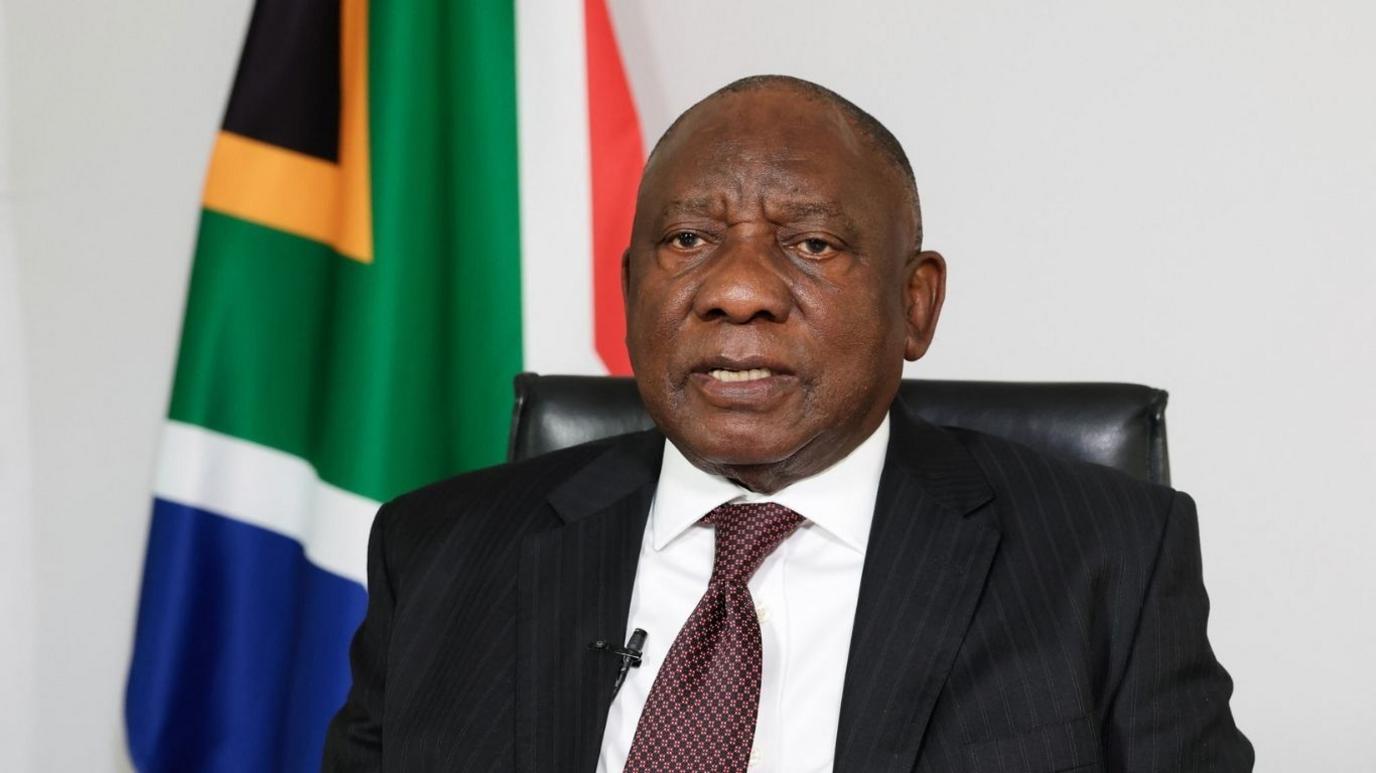
President Cyril Ramaphosa announced on Tuesday a nationwide clean‑up of high‑risk areas after the bodies of 12 women were discovered east of Johannesburg over the past two months.
The announcement follows a national outcry over South Africa’s incredibly high rates of gender‑based violence. In a public statement, Ramaphosa described the killings as a crisis that cannot be tolerated and said the government has not done enough to protect women and girls.
He said the government has launched a multidisciplinary, emergency response that includes four arrests to date. The president stressed that the police have not yet found evidence indicating a single perpetrator.
"Every municipality must begin a women’s safety audit without delay," Ramaphosa told the nation. "High‑risk areas must be identified and addressed. These audits must pinpoint broken streetlights, overgrown public spaces, abandoned buildings, unsafe transport routes and poorly secured parks—any conditions that put women at risk."
The new enforcement package focuses on reducing alcohol‑related violence. Ramaphosa noted that while alcohol does not cause gender‑based violence, it is an aggravating factor in interpersonal violence and must be part of a broader prevention strategy.
He also urged a cultural shift, saying that violence begins “much earlier” in societal attitudes that see women as inferior or as objects of male control. He invited men and boys to take the lead in ending gender‐based violence and warned that the burden of male violence should not fall on women.
According to the South African Human Rights Commission, 569 women were killed and 1,052 survived attempted murder between April and June of this year—a stark reminder of the country’s ongoing struggle with safety and justice for women.



