
In brief
Navi Pillay, the 85‑year‑old South African judge, was awarded the 2026 Nobel Peace Prize for her dedication to peace and the rule of law. Her career has spanned cases such as the Rwandan genocide and the Rohingya crisis, and she has served on both the International Criminal Court and the International Court of Justice. The award sparked controversy, notably from Israel, and prompted social media reactions from global leaders. Pillay’s historic win adds a new chapter to South Africa’s legacy of anti‑apartheid activism and progressive justice.
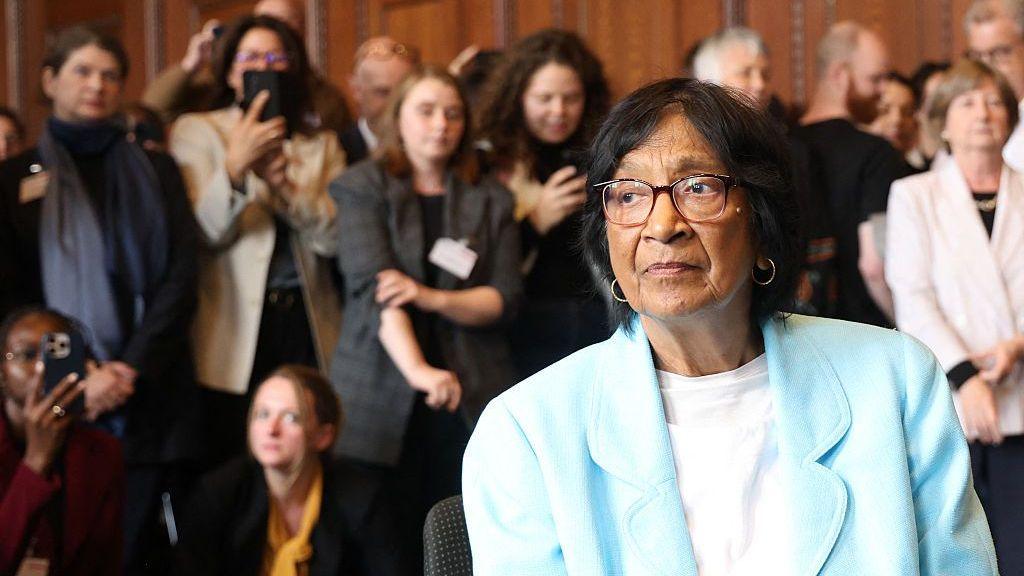
Navi Pillay, a former United Nations human‑rights chief and judge at the International Court of Justice, has been awarded the 2026 Nobel Peace Prize for her efforts to promote peace and strengthen international law.
The South African jurist’s distinguished career includes defending anti‑apartheid activists, presiding over the International Criminal Tribunal for Rwanda, and chairing a UN inquiry into alleged crimes in the occupied Palestinian territory. She was honoured for the totality of her work, which has ensured that war‑crimes and acts of genocide are taken to court, thereby building a more comprehensive global legal order.
When the announcement was made at the Palace of Justice in Nuremberg, Pillay laughed that it must be a joke, thanking those who applauded her. She playfully suggested she might share the medal with President Trump if the applause continued, a comment that drew echoes from the U.S. administration.
The award provoked criticism from Israel’s Foreign Ministry, which described it as a weapon of anti‑Israel hatred, while supporters in South Africa celebrated her legacy as a pioneering anti‑apartheid lawyer. The United Nations and the International Court of Justice noted that the prize recognises her broader commitment to human rights amid ongoing global challenges.
Pillay’s recognition comes at a time when the rule of law faces significant pressure. Her statement to the Nobel Committee highlighted that universal legal principles remain essential to sustaining peace and security worldwide.

