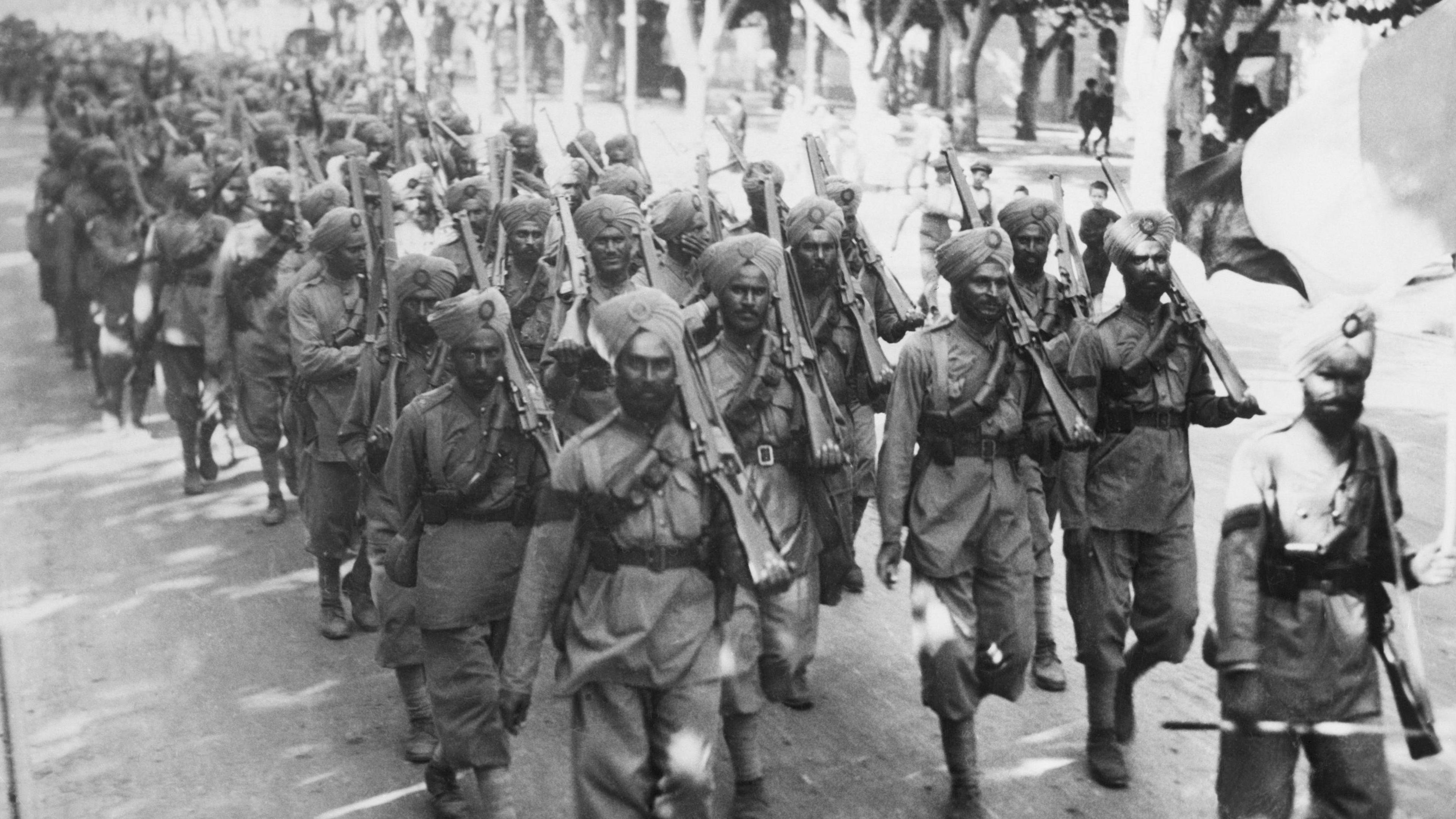
Thousands of forgotten Punjabi WW1 soldiers finally honoured
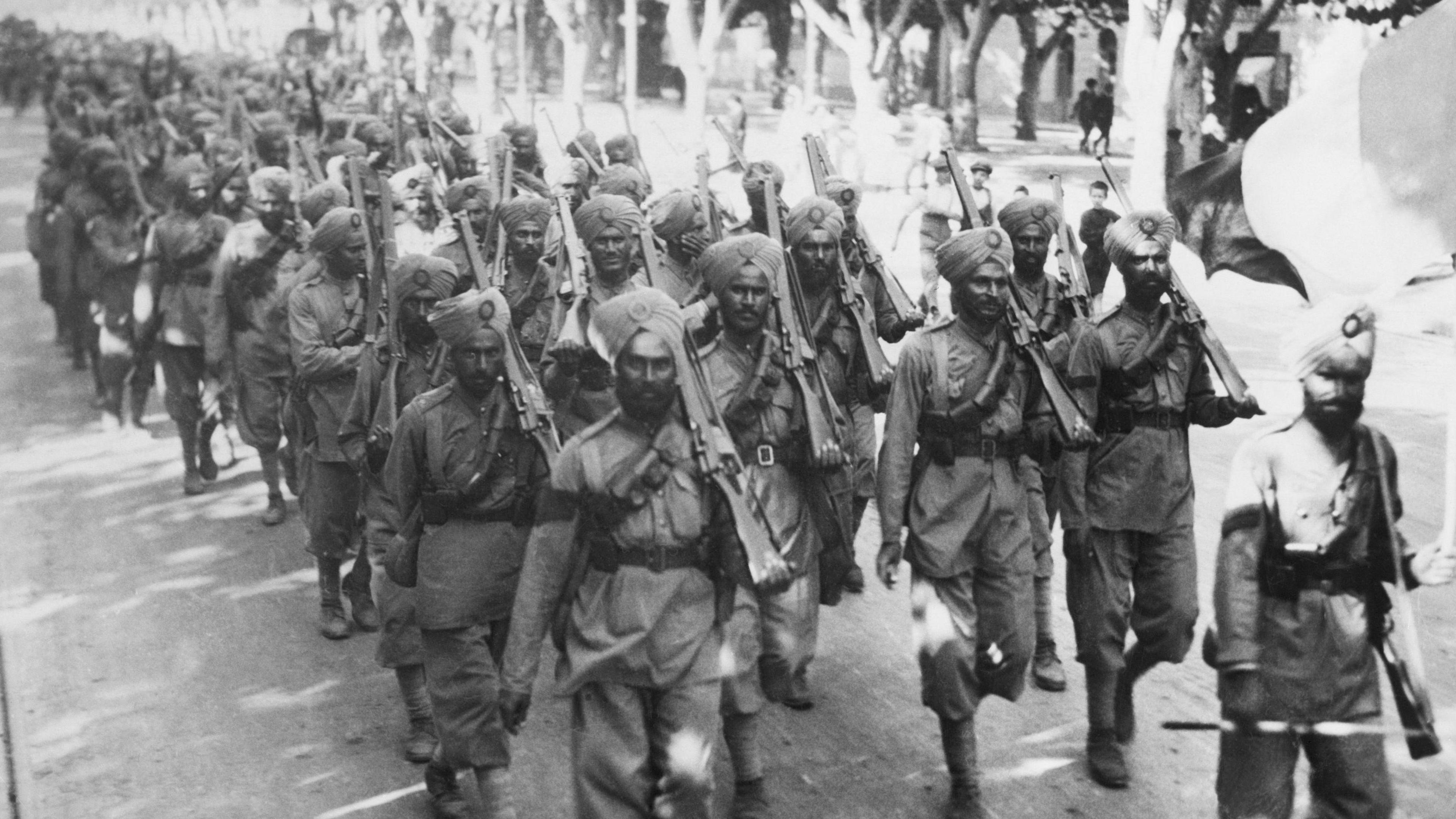
After nearly a century, a quiet army of forgotten Punjabi veterans has finally been brought to light. 9,909 names, long missing from official records, are now being added to the Commonwealth War Graves Commission’s database, marking the largest update of World War One casualty entries in over 80 years.
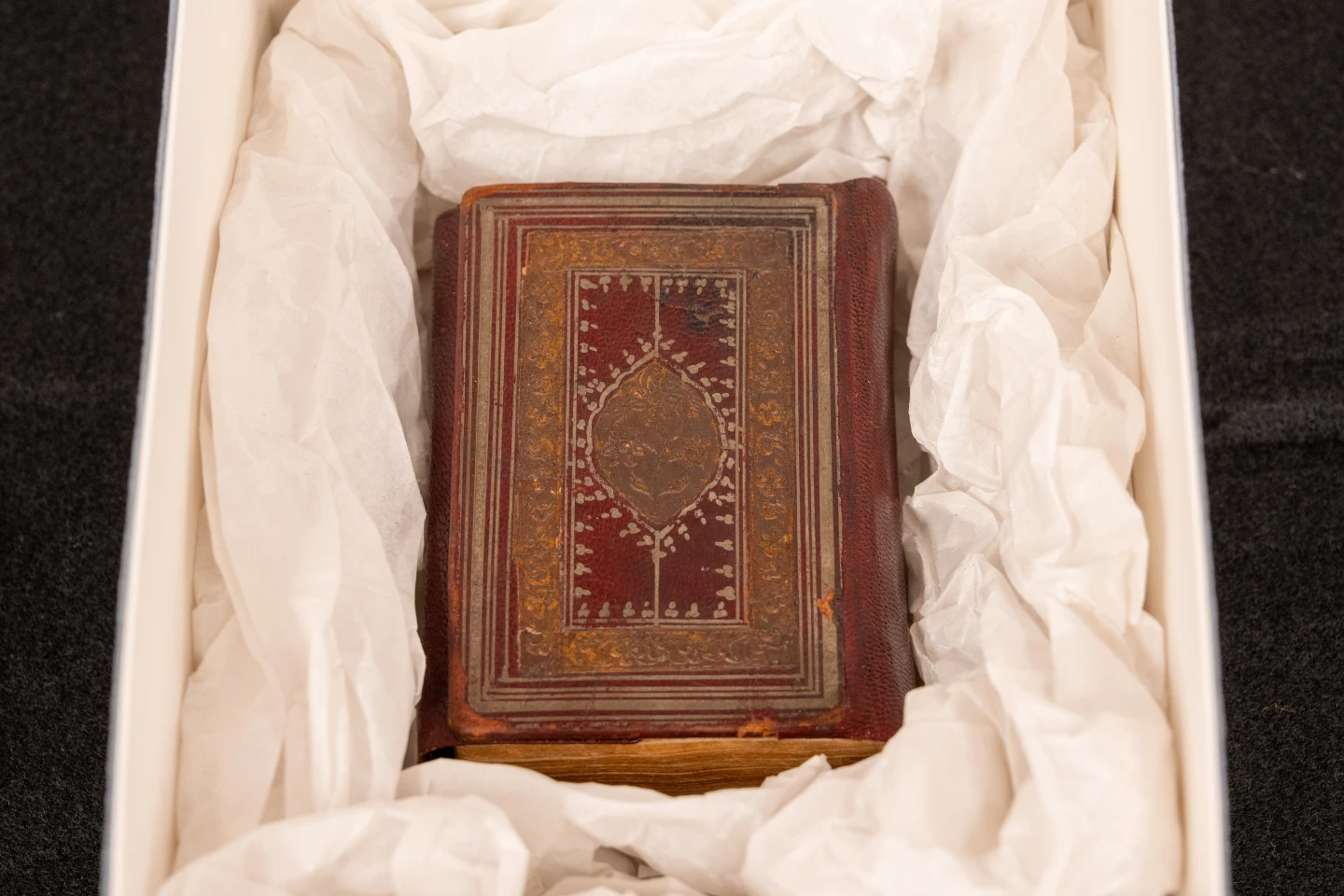
UK volunteers spent years scouring the fragile leather‑bound registers that were assembled in Punjab after the war. These handwritten notebooks, each embossed with a village name, now line the shelves of the Lahore Museum in Pakistan.
The painstaking process revealed the names of over 320,000 servicemen from the province, a number that represents about a quarter of the 1.4 million Indians who served in the British Indian Army during WW1.
Once the records were published, the CWGC added the 9,909 men to its casualty database. Most of those who had been omitted died of wounds away from the trenches, a fate that, at the time, kept them out of the graveship system. That decision, now overturned, means the soldiers are formally recognised as war dead.
In memory of a forgotten generation
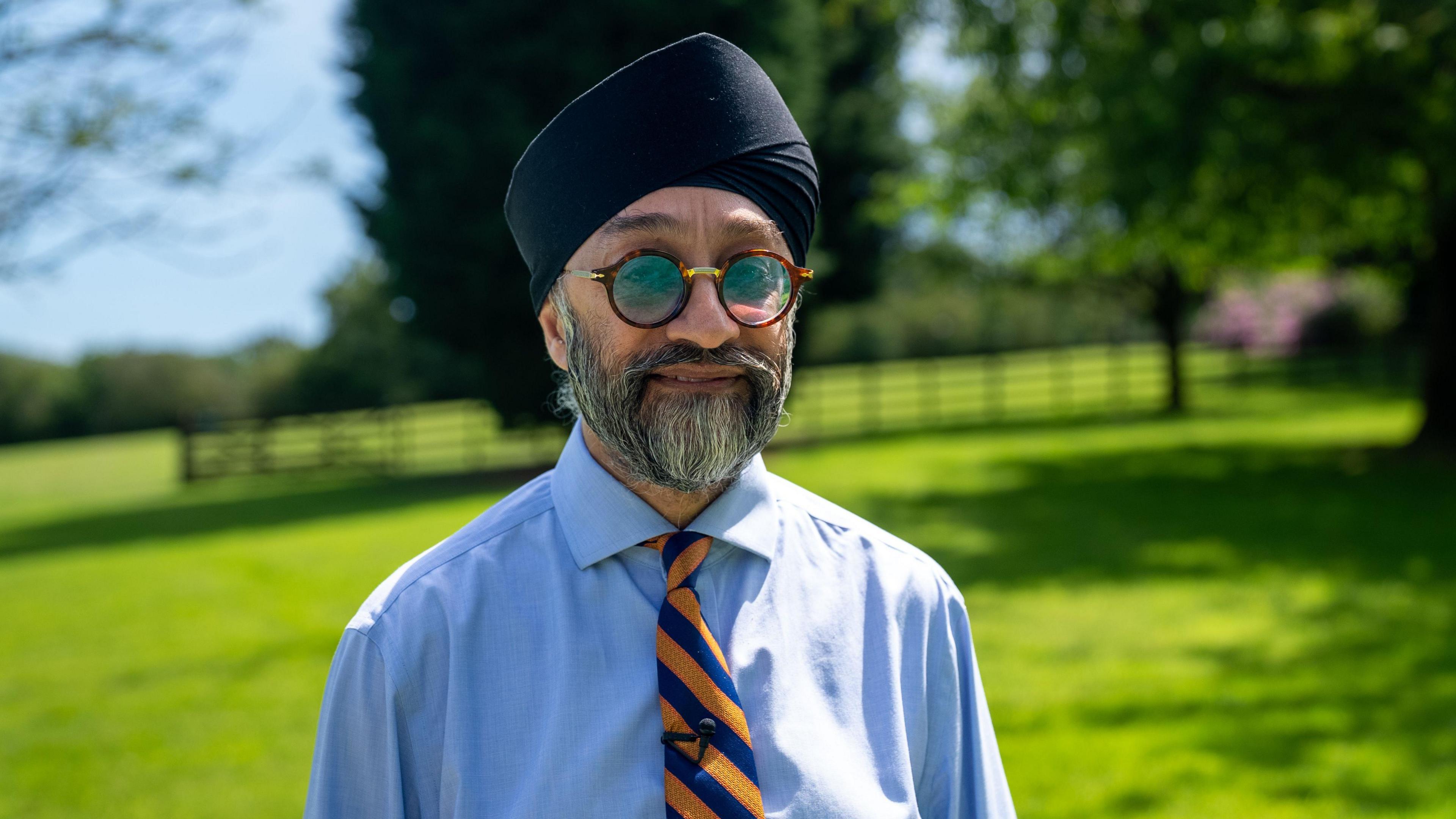
Sunney Palahey, a dentist from Leicester, learned his great‑grandfather, Kesar Singh, had been one of the missing soldiers. The official entry now grants the family a name to remember, a story to pass on, and a place in a global remembrance.
“The circle has closed. I feel much more complete,” Palahey said. “Being recognised by an authority, that was never before, makes me proud to be part of the worldwide community of those connected to WW1.”
The effort also struck a chord for the new generation. Jasmin Basra, a PhD student at the University of Greenwich, discovered that two of her great‑great ancestors served in the war, providing a tangible link to her Punjabi heritage and the history of the British Empire.
Redressing a Euro‑centric view
The CWGC says the inclusion of these 9,909 names reflects a broader effort to record the truly global nature of WW1. About a quarter of the newly added soldiers were Sikhs, a quarter Hindus and roughly 40% Muslims. The update invites future commemorations to acknowledge the diverse peoples who endured the war.
The project’s success showcases how archival treasure hunting can revive historical memory. It serves as a reminder that battles of the past are not merely stories of European armies but of countless others whose names were once lost in the archives of empire.