Time for him to pay: Carroll pushes jury verdict onto Trump
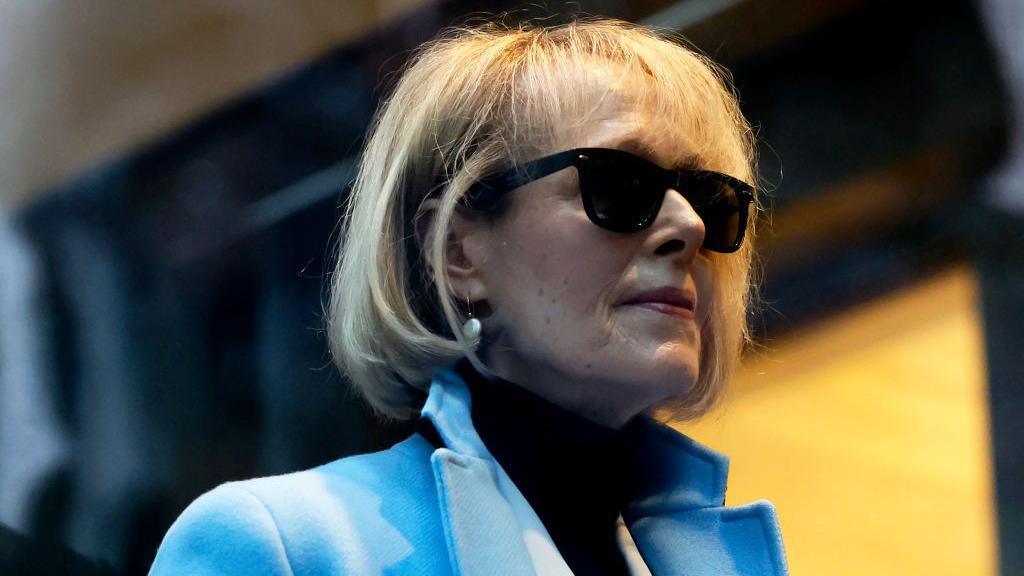
E Jean Carroll, 82, the former magazine columnist who claimed that she was sexually assaulted by former President Donald Trump in the 1990s, has filed a motion seeking a court order forcing Trump to pay the $5 million judgment awarded by a New York jury in May 2023.
Carroll’s request comes a day after the U.S. Supreme Court declined to take up the lawsuit, leaving the case for lower courts to enforce. The jury found Trump liable for sexual assault and for publicly defaming Carroll by calling her allegations a hoax on social media.
According to Carroll’s lawyers, Trump has repeatedly sought to delay payment, even while appealing the judgment at every level of the federal court system. The attorneys argue that Trump’s efforts to indefinitely postpone the obligation have been met with successive denials, and that the time for legal delays is over.
Carroll said, “Given the extraordinary lengths he has taken to avoid such payments and that each of those efforts has been denied in full, that cooperation ends today.” The lawyers also added that the case should conclude now, citing four years of litigation across multiple courts.
Carroll’s lawsuit details how she was allegedly attacked in a department‑store dressing room and how Trump later denied the incident in a 2022 Truth Social post. Trump has repeatedly denied the allegations and claims that the judge in the civil trial, Lewis Kaplan, improperly admitted evidence that damaged his credibility.
A federal appeals court upheld the jury’s verdict last year, noting that Kaplan had not made any reversible errors in trial conduct. Nevertheless, Trump continued to pursue appeals and called the proceedings a “weaponisation” of law.
In addition to the assault case, Trump has also appealed a separate jury ruling from 2024 that found him liable for defamation against Carroll, awarding her almost $84 million. That appeal was denied by a panel of federal judges.
Carroll’s latest filing includes the Trump’s social‑media posts in which he continues to dismiss the allegations after the Supreme Court’s decision. The case remains a focal point for debates over accountability and legal strategy in high‑profile civil suits.