In brief
In a devastating drone attack on a residential home in el-Obeid, Sudan, at least 13 individuals, including eight children, have been killed. The Sudan Doctors' Network has indicated that the paramilitary Rapid Support Forces may be responsible for the attack in an area controlled by the army. The ongoing civil war in Sudan has led to severe humanitarian crises, with millions displaced and countless casualties reported. Witnesses describe the strike as a dangerous escalation of violence against civilians.
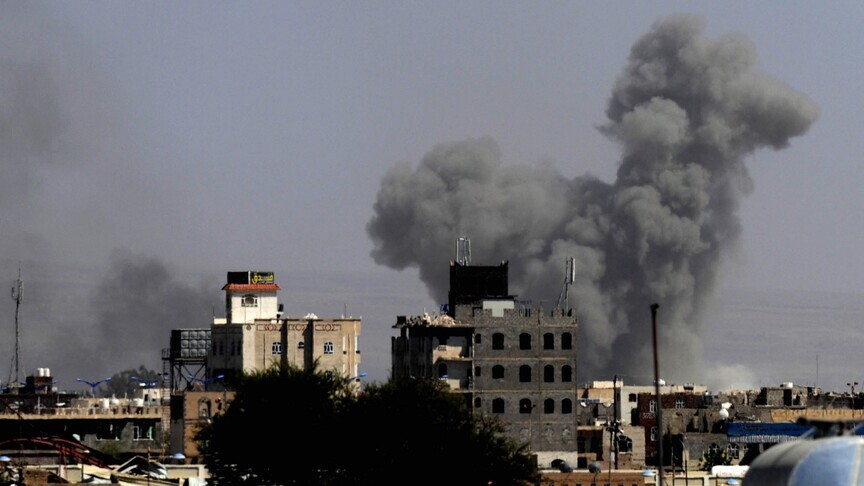
At least 13 people have been killed - eight of them children - after a drone strike on a house in the Sudanese city of el-Obeid, confirms the Sudan Doctors' Network.
Most of the deceased were part of the same family, according to the medical group.
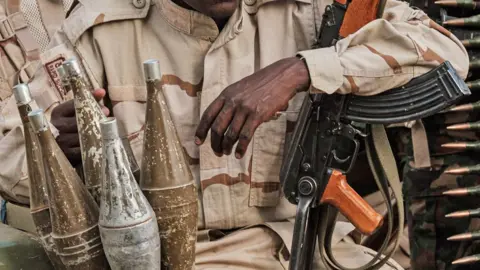
While no group has officially taken responsibility for the attack, medics allege that the paramilitary Rapid Support Forces (RSF) executed the strike in an area predominantly controlled by the army, which the RSF has sought to penetrate for months.
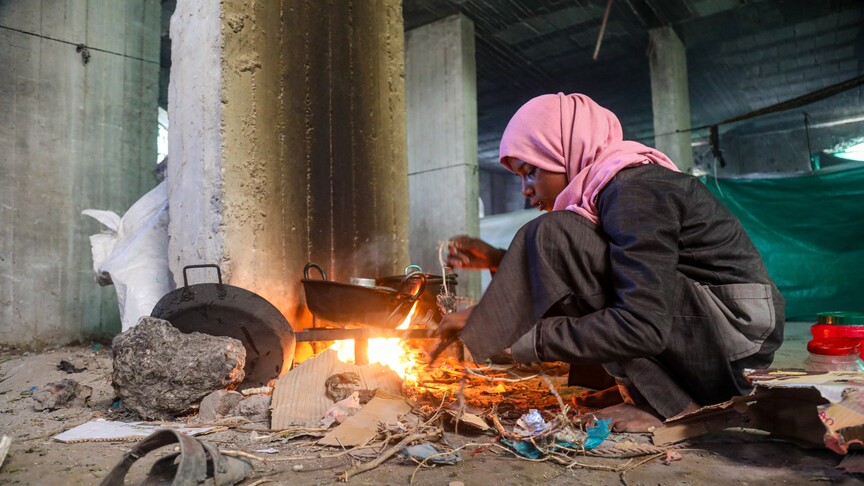
As Sudan's civil war between army forces and RSF rebels nears its third year, the UN and various aid organizations have labeled the resulting humanitarian crisis as one of the worst globally.
Over 11 million people have been displaced due to the conflict, with hundreds of thousands reported dead. Notably, sexual violence has been weaponized within this ongoing warfare.
Witnesses recount that Monday's drone attack occurred in a residential neighborhood, representing a disturbing escalation in the targeting of civilian areas. The Sudan Doctors' Network indicated that such attacks reflect a broader policy of indiscriminate killing and systematic assaults on safe spaces.
The city of el-Obeid remains under the protection of army forces, despite the RSF's territorial gains in other regions of North Kordofan.
Strategically situated between Khartoum and Darfur, analysts note el-Obeid is a significant target for the RSF. The attack follows previous RSF strikes on infrastructure, including a power plant, and recent failed attempts at seizing control of a major hydroelectric dam.