In brief
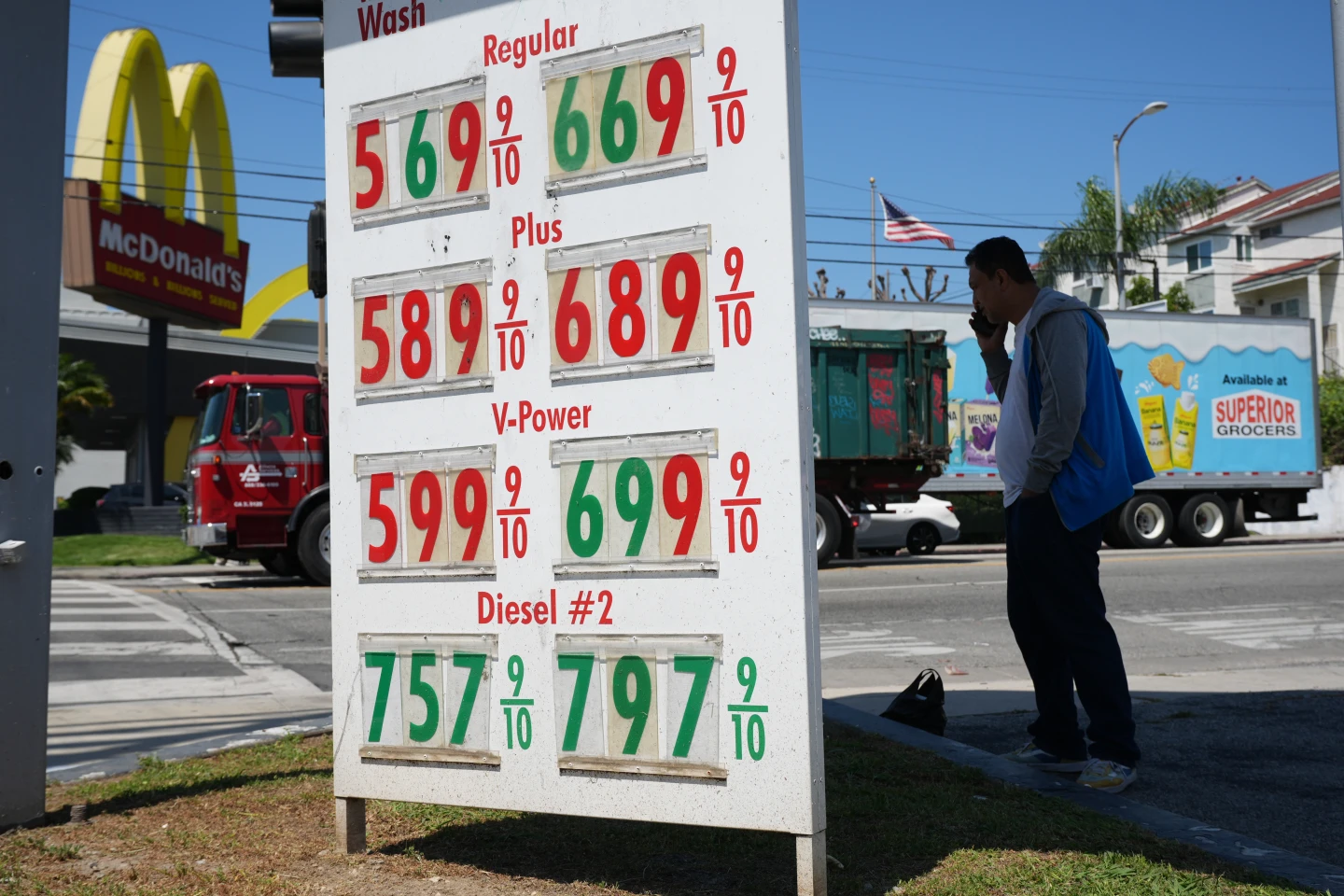
With the rise of gas prices nationwide, many consumers are turning to tribally owned gas stations on Native American reservations for lower fuel costs. Exempt from state fuel taxes, these stations offer gas at prices that can be much lower than nearby stations. This economic phenomenon is particularly noticeable in states like California and New Mexico, where consumers are utilizing fuel apps to find the best deals. Additionally, these stations contribute to local economies by reinvesting in community services.
With the ongoing rise in gas prices nationwide, many American drivers are finding relief in unexpected places – at tribal gas stations on Native American reservations. For instance, Junelle Lewis drove nearly half an hour from her home in Seattle to fill up her Chevrolet Suburban at the Tulalip Market, where gas was priced at $4.84 per gallon, significantly cheaper compared to prices closer to home.
Apps like Gas Buddy are helping consumers identify these cheaper options, specifically on reservations across various states including California, New Mexico, New York, Oklahoma, and Washington. The absence of state fuel taxes for these tribal gas stations allows them to offer more competitive prices.
As the geopolitical tensions have driven prices over $4 a gallon on average, some stations are seeing prices for gas dip to $3.65, while others, like a station on the Mescalero Apache Reservation, offer prices as low as $3.79 per gallon. These substantial savings are making these locations increasingly popular.
According to Dan Lewerenz, a law professor, the exemption from state taxes has been upheld by U.S. courts for well over a century, allowing tribes to navigate fuel sales differently than non-tribal businesses. The implications of these tax exemptions not only aid consumers in finding lower prices but also support tribal economies, as the profits are reinvested into community services such as education, healthcare, and infrastructure.
This rise in local tribal fuel stations is a significant boon for communities that often face challenges due to being in food deserts or lacking essential services. Convenience stores on tribal lands are adapting by providing groceries and household supplies, complementing their gas sales in an effort to serve their communities better.