The Trump administration is taking a tough stance on the Supplemental Nutrition Assistance Program (SNAP), calling attention to alleged fraud within the government’s largest food aid initiative. The administration’s recent comments emphasize that fraud has proliferated among criminals and individuals, costing taxpayers significantly.
Jennifer Tiller, a senior advisor to the Secretary of Agriculture, stated, “We know that instances of fraud exist, not only from individuals but also organized crime rings.” Meanwhile, experts debate the actual scale of fraud, with some suggesting the problem may not be as severe as reported.
Approximately $94 billion of the $100 billion spent on SNAP annually supports benefits for 42 million recipients, equating to an average of $190 per person per month. However, participants often encounter significant barriers, such as stringent reporting requirements and restrictions on accessing necessary services.
In an effort to tackle fraud, the USDA has demanded state governments provide detailed datasets on SNAP recipients’ information, including Social Security numbers and immigration statuses. This demand has been met with resistance from Democrats who argue it breaches privacy rights.
From the data provided by compliant states, the USDA discovered around 186,000 deceased individuals were previously enrolled and over 500,000 individuals were receiving benefits in multiple locations. While the USDA estimates that fraud and undetected errors may cost scenarios could contribute to losses of $9 billion annually, critics highlight the absence of detailed reporting on the matter.
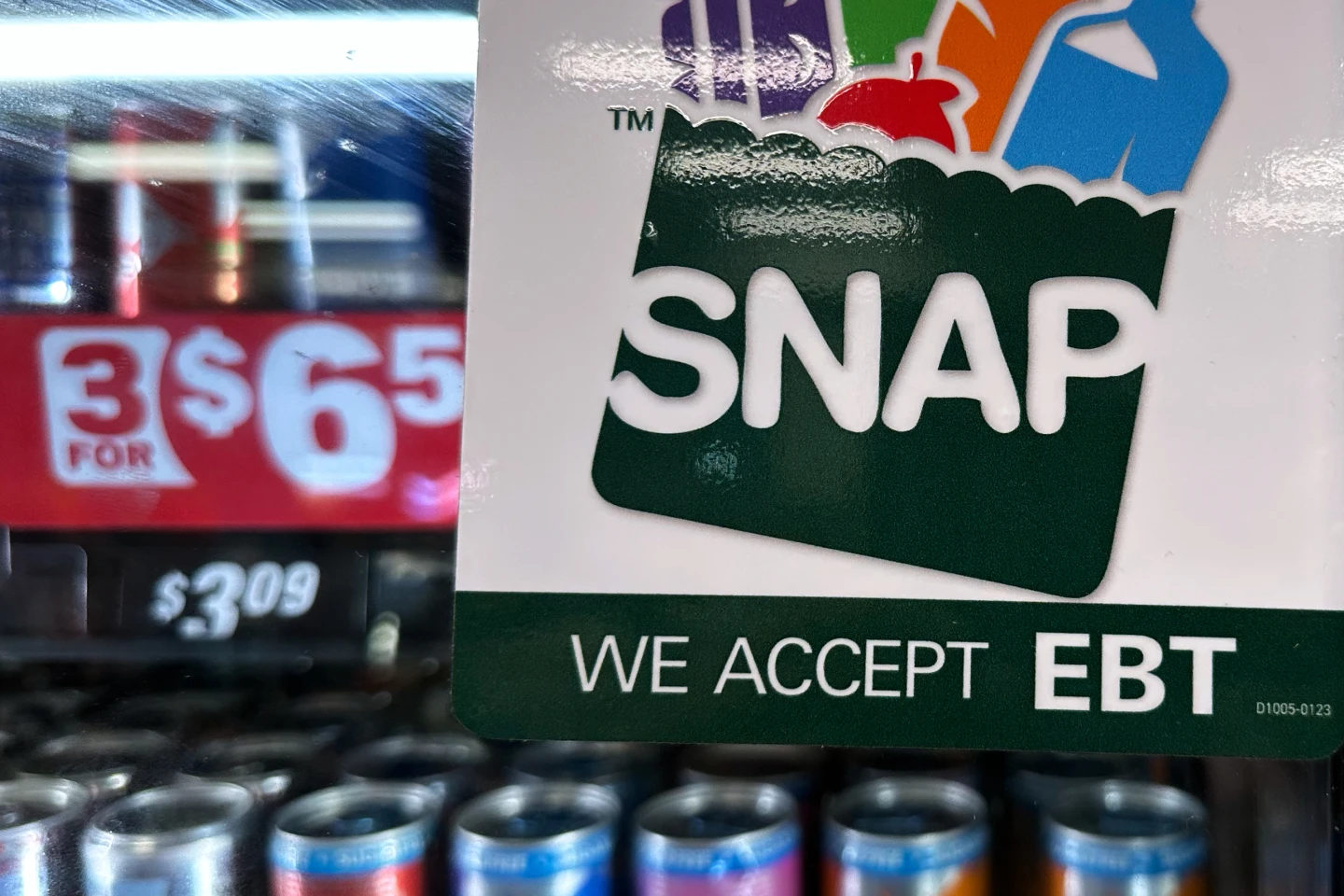
Among the reported fraudulent trends, unauthorized retailers have manipulated the system, with cases of skimming EBT card numbers showing the involvement of organized crime. However, skepticism remains around the USDA’s projected figures, leading many advocates to caution against the narrative that defines program participants strictly as perpetrators.
This growing focus on fraud could potentially disrupt essential aid for vulnerable populations relying on SNAP, raising concerns about both access and efficacy in ensuring food security across the nation.