In brief
U.S. President Donald Trump declared a 25% tariff on imports from countries that do business with Iran, in an effort to curb Iranian government actions as anti-government protests continue. The tariffs take effect immediately, raising concerns over the economic impact on nations such as China, the UAE, and Turkey. The move follows Trump's threats of military intervention should Iran's treatment of protesters escalate. As protests erupt due to the country’s economic crisis, the implications of this tariff are significant and far-reaching.
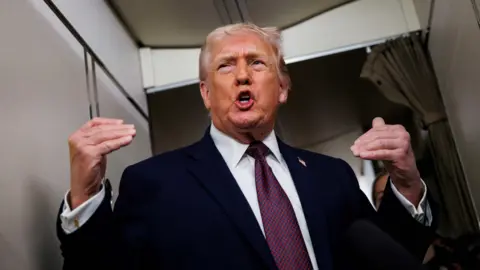
US President Donald Trump on Monday said he had imposed a 25% tariff on goods from countries with commercial ties to Iran, a move that could put pressure on Tehran as anti-government protests enter a third week.
Trump said on social media that the tariff was effective immediately, without offering details of what constituted doing business with Iran.
China is Iran's largest trading partner, followed by Iraq, the United Arab Emirates, Turkey, and India.
The new tariff comes after Trump threatened to intervene militarily if Tehran killed protesters. White House spokeswoman Karoline Leavitt said on Monday that military options including airstrikes were still on the table.
Any Country doing business with the Islamic Republic of Iran will pay a Tariff of 25% on any and all business being done with the United States of America, Trump wrote on Truth Social. This Order is final and conclusive, he added.
The White House did not share additional information about the tariffs, including which countries' imports will be hit hardest.
Anger over the plummeting value of the Iranian currency, the rial, sparked protests in late December, which have grown into a crisis of legitimacy for Iran's Supreme Leader, Ayatollah Ali Khamenei.
The US-based Human Rights Activist News Agency (HRANA) says it has verified the deaths of nearly 500 protesters and 48 security personnel in Iran, while sources tell the BBC the death toll could be much higher. Thousands more have reportedly been arrested.
However, an internet blackout since Thursday evening has made it difficult to obtain and verify information. The BBC and most other international news organizations are unable to report from inside Iran.
Trump has threatened to intervene, and said on Sunday that Iranian officials had called him to negotiate - but added we may have to act before a meeting.
International sanctions over Iran's nuclear program have had a severe impact on the country's economy, which has also been weakened by government mismanagement and corruption.
On 28 December, shopkeepers took to the streets of Tehran to express their anger at another sharp fall in the value of the rial against the US dollar on the open market.
Iran's currency has sunk to a record low over the past year while inflation has soared to more than 40%, resulting in sharp price rises for everyday items like cooking oil and meat.