Trump Imposes 50% Tariffs on Canadian Goods, Carney vows to Counter
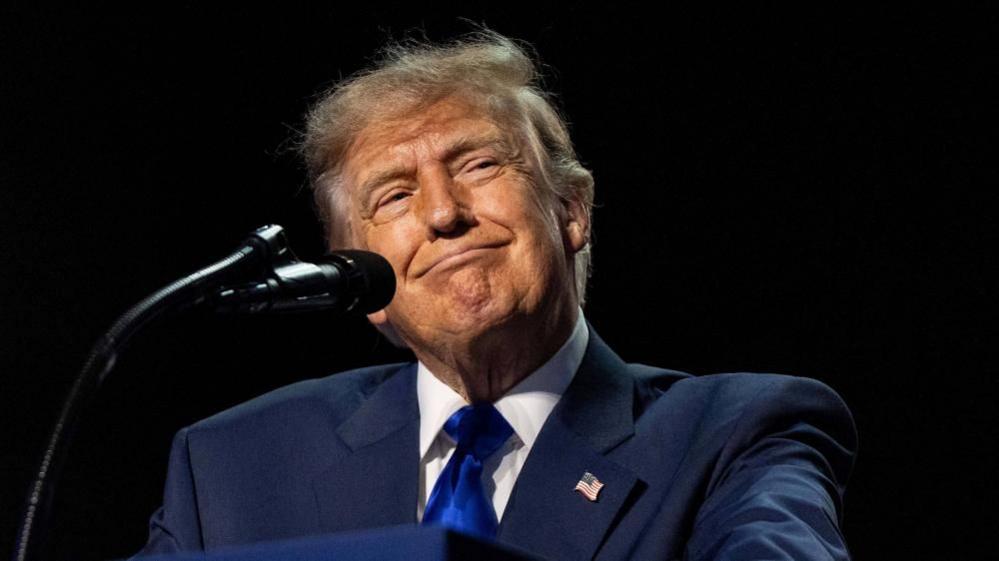
U.S. President Donald Trump announced a 50 % tariff on a broad range of Canadian products—including wine, hockey sticks, and industrial cement—announcing it as retaliation for what he termed "unequal treatment" of U.S. cars, dairy and alcohol.
The wide‑scale duties will be applied over the next 30 days and affect nearly every category of Canadian exports except for energy, potash, critical minerals and fish. Trump said the tariffs would bolster American manufacturing and jobs but warned that higher import costs could raise prices for consumers.
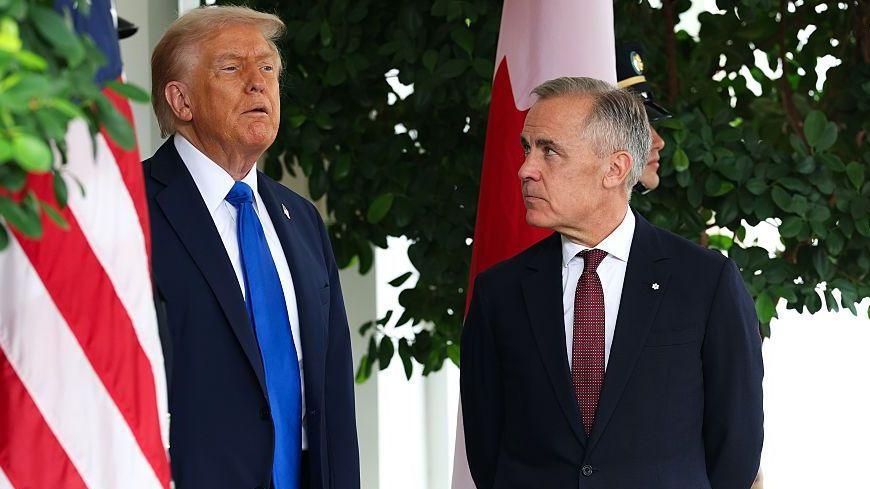
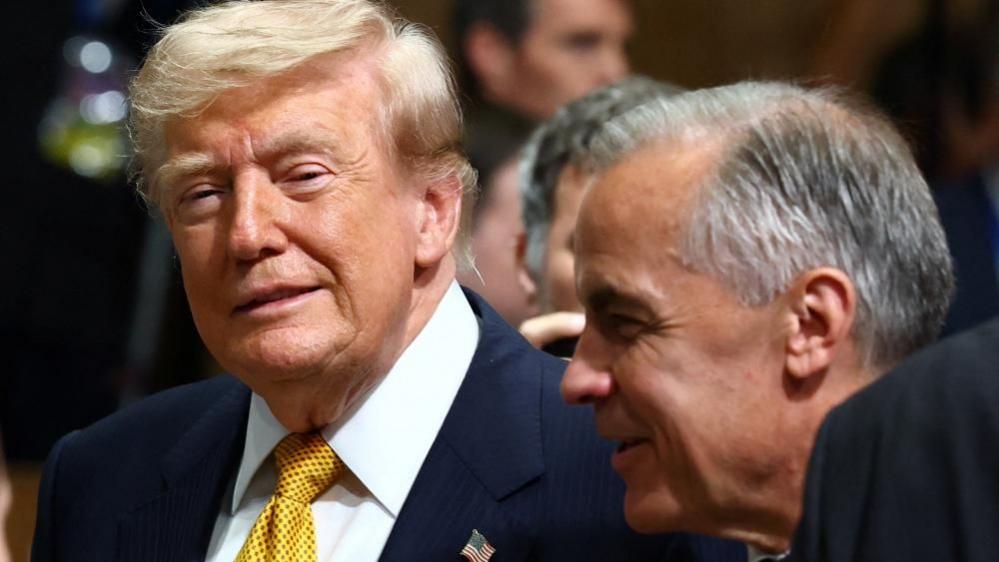
Prime Minister Mark Carney met with Trump the same day and said the two leaders intended to "intensify trade talks" to calm rising tensions. Carney also warned that Canada had "all options" to respond, underscoring a readiness to counter the newest stripping of favoured trade status.
Canada has already set its own 25 % tariffs on approximately C$30 bn of U.S. goods, targeting steel, aluminium, copper, softwood lumber and vehicle parts that fall outside the USMCA. While some Canadian tariffs were subsequently dropped, the sector remains in a precarious position.
The U.S. Supreme Court recently struck down many of Trump’s earlier tariffs under the International Emergency Economic Powers Act, prompting the president to rely on new legal mechanisms, including Section 301 to impose further duties.
Both sides now face an uncertain future for North American trade as the U.S. considers further levies on goods worldwide, while Canadian leaders caution against the erosion of sovereignty and potential U.S. actions that could threaten Canada’s alignment outside the 51st state.
For further details on how these tariffs impact migrant markets, view the embedded interactive visualisation.