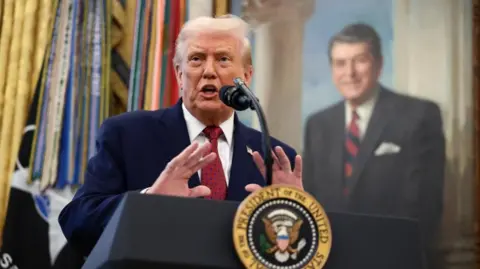
President Donald Trump has expanded a US travel ban, barring nationals of five additional countries and people travelling on Palestinian Authority-issued documents from entering the US.
The White House stated that the restrictions were intended to protect the security of the United States and will come into force on 1 January.
Full-entry restrictions will be imposed on people from Burkina Faso, Mali, Niger, South Sudan, and Syria, along with Palestinian Authority passport holders.
The administration also moved Laos and Sierra Leone, which were previously subject to partial restrictions, to the full ban list and implemented partial restrictions on 15 other countries, including Nigeria, Tanzania, and Zimbabwe.
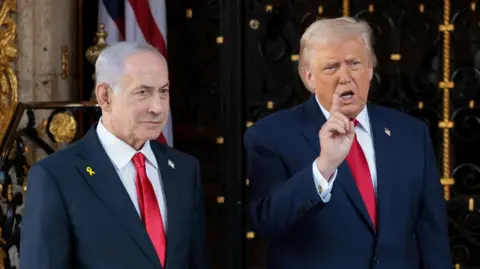
Trump, having tightened immigration controls since returning to the White House in January, emphasized that the expanded travel ban was necessary due to perceived failures in overseas screening and vetting systems.
Officials have cited high visa overstay rates, unreliable civil records, corruption, terrorist activity, and a lack of cooperation in accepting deported nationals as key concerns.
This announcement followed the arrest of an Afghan national suspected in an attack on National Guard troops over Thanksgiving weekend, an incident highlighted by the White House as indicative of security risks.
This marks the third time Trump has enacted a travel ban; a similar order introduced during his first term in 2017 prompted protests and legal challenges but was ultimately upheld by the US Supreme Court.
The White House indicated that these restrictions will remain effective until affected countries demonstrate credible improvements in identity management and cooperation with US immigration authorities.
There are exceptions to the ban, which will not affect lawful permanent residents, many existing visa holders, diplomats, or athletes participating in major sporting events. Additionally, case-by-case waivers may be available for travel deemed to be in the national interest.