US Blocks Long‑Term Renewal of North American Trade Deal
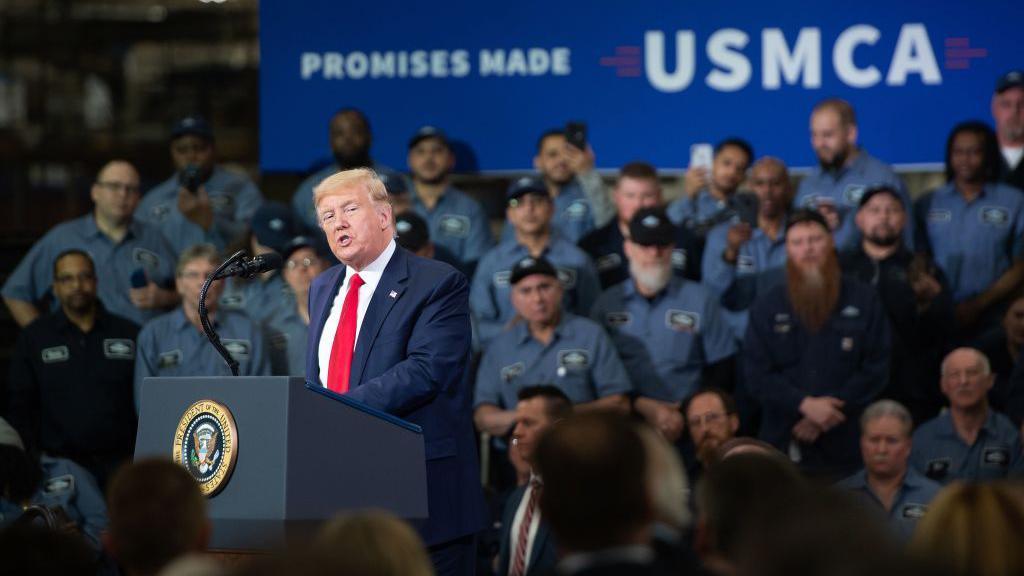
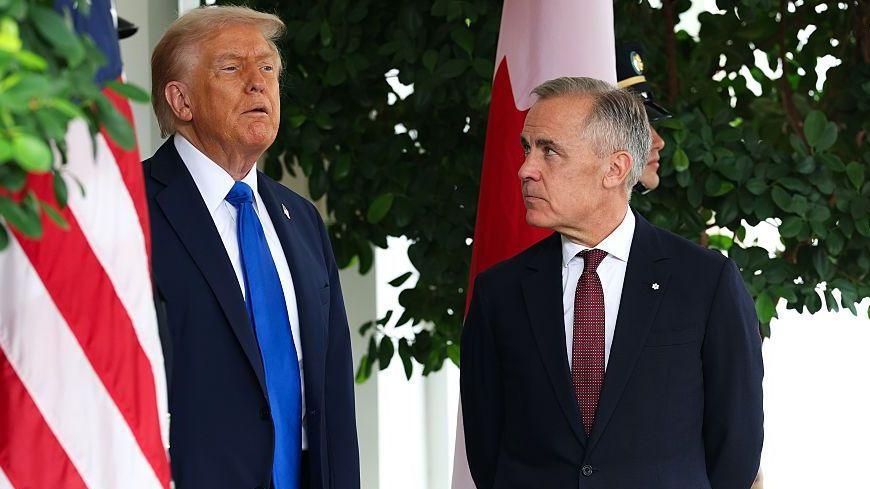
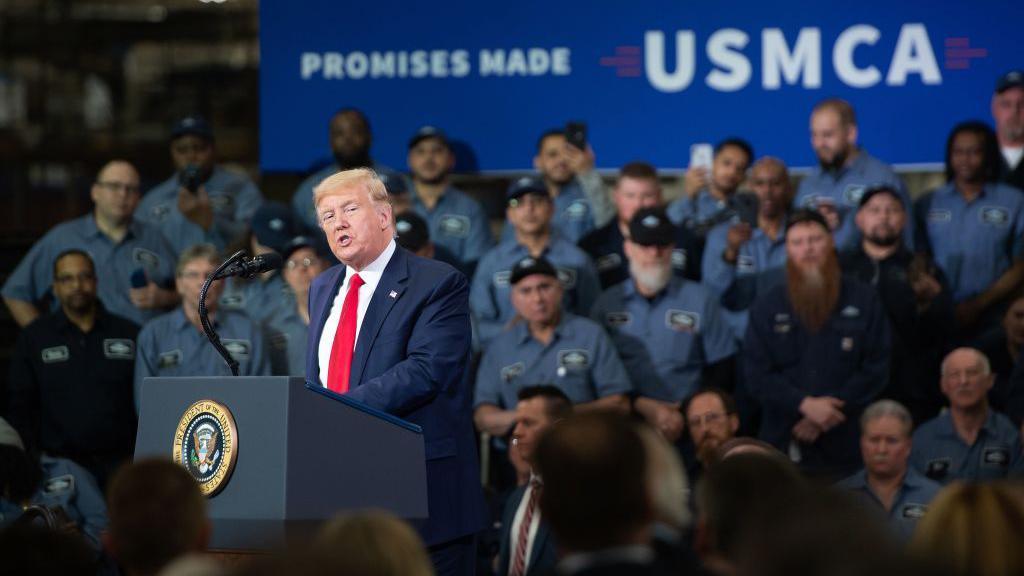
The United States has declined to automatically extend the United States‑Mexico‑Canada Agreement (USMCA) – the replacement of NAFTA that took effect in 2020 – in its existing form, according to a senior U.S. official.
This decision removes the trade pact’s scheduled 16‑year extension that would have kept the agreement in force until 2042. Instead, Washington insists the truce must be re‑examined each year, creating a new ten‑year countdown toward potential termination.
Officials said the administration did not “rubber stamp” the renewal without addressing ongoing disputes, including automotive rules of origin, dairy market access and safeguarding the region against third‑party exploitation.
While the USMCA remains in effect for now, the lack of a long‑term commitment heightens economic uncertainty across the continent, according to industry groups and policy analysts.
The U.S. Chamber of Commerce warned that many sectors – especially manufacturing and agriculture – require dependable cross‑border certainty, but domestic trade groups such as the American Iron and Steel Institute endorse the annual review system, claiming it offers a leverage point to adjust and fix the agreement’s terms.
The move signals an urgent need for all three nations to revisit the USMCA’s provisions. The unresolved issues and the new annual renegotiation timeframe could dramatically reshape trade flows, regulatory environments, and economic forecasts for North America.