WASHINGTON (AP) — Secretary of State Marco Rubio suggested Sunday that the United States would not govern Venezuela day-to-day other than enforcing an existing 'oil quarantine' on the country, reversing President Donald Trump's assertion the day prior that the US would be running Venezuela following the ouster of leader Nicolás Maduro.
Rubio's comments on television were aimed to mitigate concerns of a prolonged foreign intervention or failed nation-building attempts reminiscent of past military actions. His statements differed starkly from Trump's vague commitment to control the oil-rich nation through some governing structure in the aftermath of the military operation.
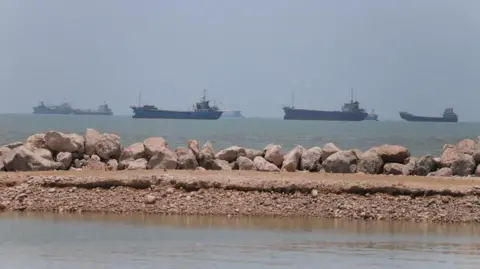
On CBS's Face the Nation, Rubio described the American approach as exerting pressure through the enforcement of the oil quarantine and indicated that this leverage should prompt policy changes in the management of Venezuela's oil sector and combat drug trafficking.
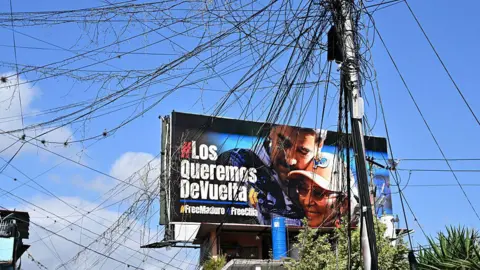
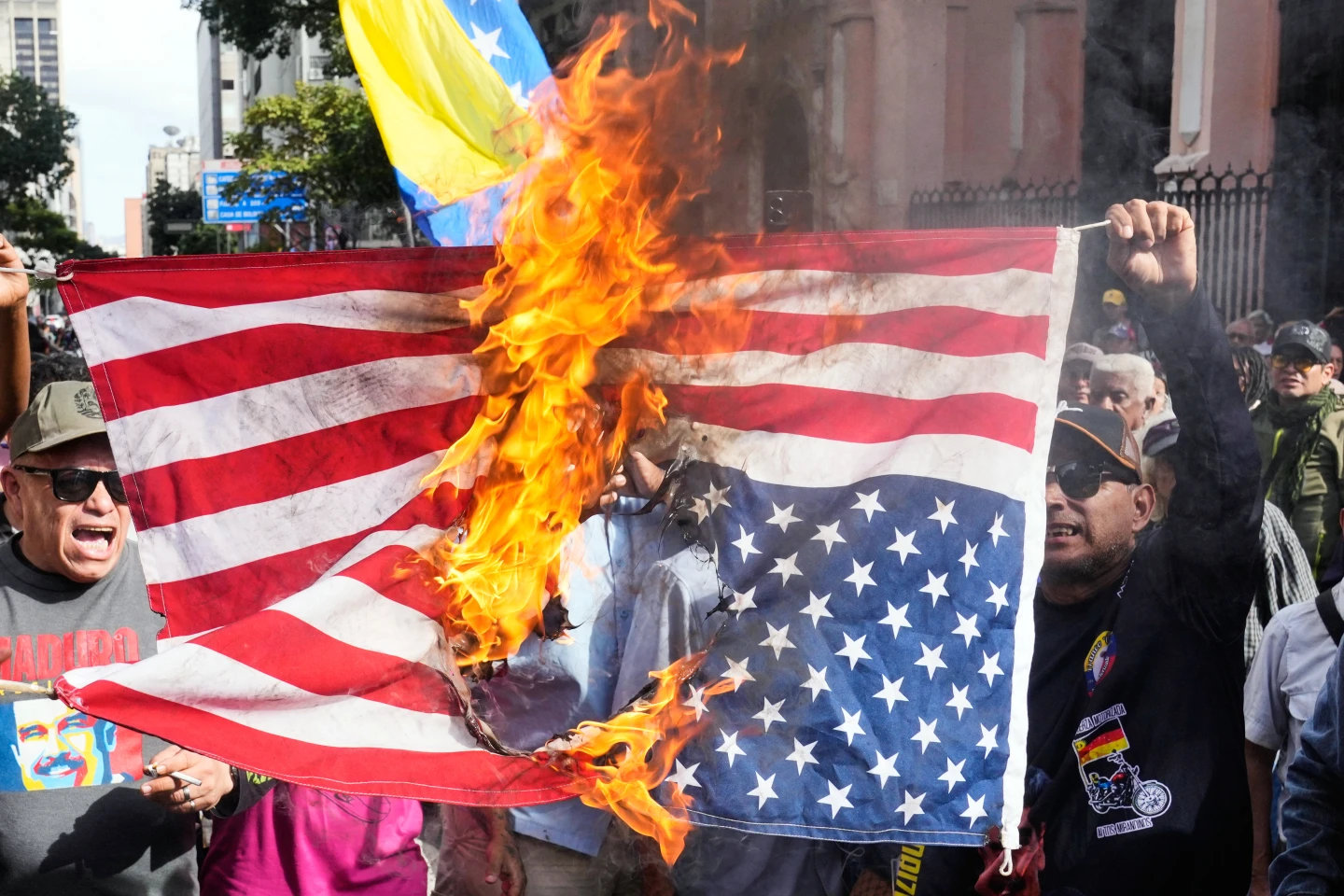
Leaders in Venezuela have reacted strongly, publicly demanding the release of Maduro, who has been facing US drug trafficking charges alongside his administration. The legality of US actions in Venezuela, particularly regarding military operations, has been scrutinized by legal experts considering the lack of congressional approval.
Trump reiterates commitment to control the nation
President Trump reiterated multiple times that the US would 'run' Venezuela until conditions improve, raising the stakes with comments that leaders must prove their worth through significant changes for the Venezuelan populace.
Trump's aggressive foreign policy stance, especially among his supporters, has raised eyebrows as many recall past military interventions that failed to create stable governance. Rubio defended Trump's mission in Venezuela as fundamentally different from past conflicts in Iraq and Libya, touting the urgency of the situation within the Western Hemisphere.
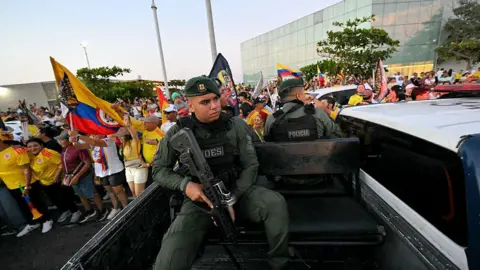
Venezuelan Vice President Delcy Rodriguez countered the US position by calling Maduro the country's legitimate leader as a tense atmosphere enveloped the Caracas region, marked by low public activity following the dramatic military operation.