In brief
Maria Dearaujo, a 63-year-old U.S. citizen who immigrated from Brazil in 1993, was acquitted of illegally voting in the 2018 election while she was a lawful permanent resident. Franklin County Common Pleas Judge Chris Brown ruled she was enticed by a Bureau of Motor Vehicles clerk to register and vote despite her non-citizen status, finding she had no intention to vote until advised by the government official. The verdict marks a major setback for Ohio Attorney General Dave Yost, who had pursued the charges as part of his political campaign.
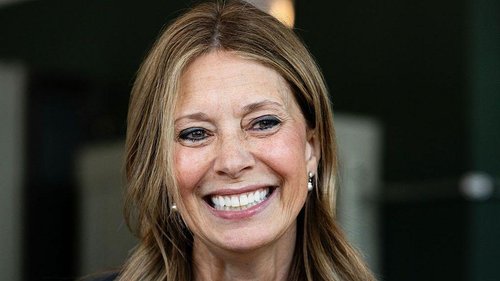
A U.S. citizen was acquitted Tuesday of illegally voting in the 2018 election after a judge determined the crime was committed under entrapment. Maria Dearaujo, 63, faced up to 18 months in prison for casting ballots as a lawful permanent resident when she was not a U.S. citizen. However, Franklin County Common Pleas Judge Chris Brown sided with the defense, ruling Dearaujo was induced by a government official to register and vote.Brown, a Democrat, stated that Dearaujo's testimony aligns with documentary evidence showing she initially had no intention to vote until a Bureau of Motor Vehicles (BMV) clerk told her to register. 'The defendant testified she never thought about voting or intended to vote until a BMV clerk, a government official, told her to register,' Brown said. The judge found Dearaujo proved by preponderance of evidence that she had 'an affirmative defense of entrapment.'Dearaujo, who immigrated from Brazil in 1993 and became a U.S. citizen 30 years later, clasped her hands in prayer-like fashion when the ruling was announced and appeared emotional. 'Thank you, thank you, thank you,' she said to Judge Brown and her public defender Jason Inman.The verdict represents a significant setback for Ohio Attorney General Dave Yost, who had aggressively prosecuted Dearaujo and five others in October 2024 as part of his campaign rhetoric against voter fraud. Yost's announcement occurred early in his aborted 2026 gubernatorial bid amid heightened political tensions around immigration and election integrity claims. Neither Yost nor his office immediately indicated whether they would appeal the ruling.The case revealed complexities in voting eligibility that challenge immigration policies. Dearaujo claimed she only voted after being told by the BMV clerk in 2015 that she could participate. Her vehicle registration renewal form contained no answer to citizenship questions, and she voted at a Heritage Free Will Baptist Church on Columbus' south side. She admitted to 'inconvenient' facts about voting while knowing she wasn't a citizen, but maintained she was misled by the government official.While cleared of state charges, Dearaujo could still face federal consequences. Legal experts warn that she may still be subject to denaturalization proceedings if the U.S. Department of Justice argues she misrepresented her citizenship status on her naturalization application. Immigration lawyer Mark Nesbit noted that while the acquittal is a victory, it doesn't eliminate all risks.The ruling follows several other failed prosecutions in Yost's voter fraud cases. Two cases remain pending, while others involved defendants who either entered pleas or had procedural issues. In one instance, a Cuyahoga County suspect had been dead for over a year at the time of indictment, leading prosecutors to call Yost's actions 'prosecutorial overreach.'Dearaujo, who works in manufacturing and has one adult son, stated she feels 'no guilt' about her actions. Her case highlights the nuanced reality of immigrant citizenship statuses and how government officials may unintentionally facilitate violations of voting laws. The ruling underscores the challenges of enforcing voting eligibility requirements while maintaining trust in democratic processes.}