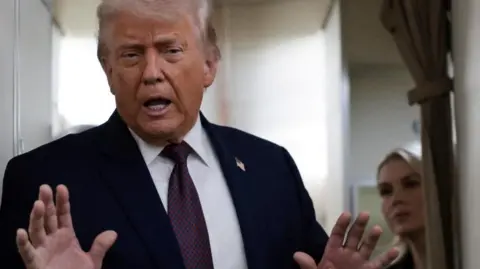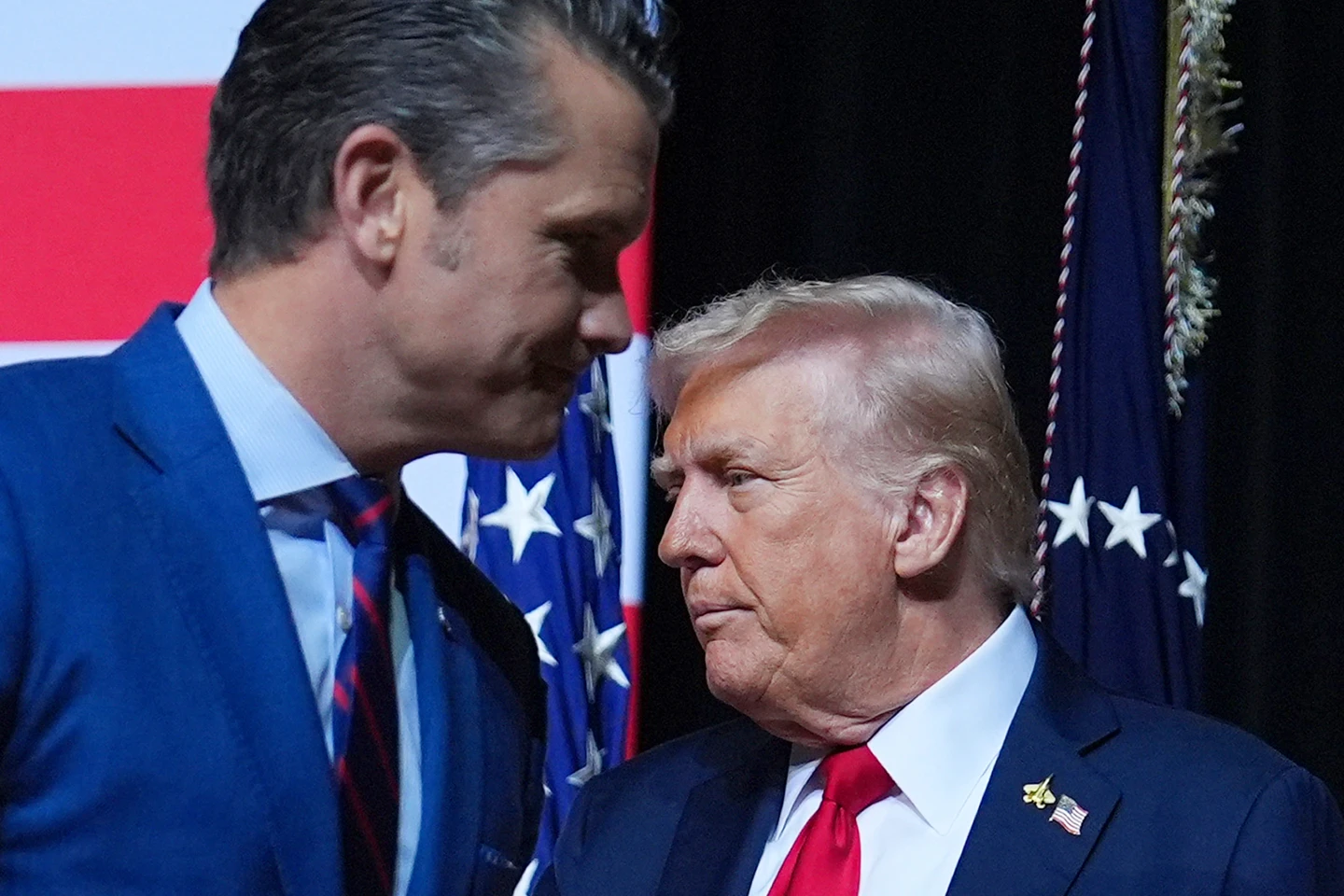
WASHINGTON (AP) — President Donald Trump and Defense Secretary Pete Hegseth have announced the killing of 32 individuals in less than two months through military strikes aimed at drug-smuggling vessels in the Caribbean Sea. This action has been framed by Trump as a crucial measure to halt the influx of illegal drugs into the United States.
Trump has described the military actions as necessary, categorizing them as part of an 'armed conflict' against drug cartels, similar to the legal rationale employed by the Bush administration during the War on Terror post-September 11.
However, as the frequency of these strikes continues to rise, Congress has become increasingly vocal, deliberating over the extent of presidential powers in orchestrating such military operations without legal investigations or a formal declaration of war. Lawmakers have raised concerns regarding the lack of substantial evidence supporting these violent actions.
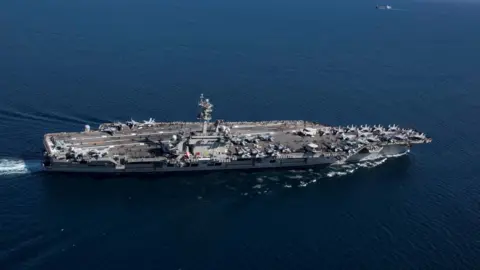
An unexpected surge in naval forces positioned off South America's coastline has incited fears within Venezuela regarding potential invasion threats, along with speculation that Trump may attempt to depose President Nicolás Maduro, who is currently facing narcotics-related charges in the U.S.
As this situation evolves, it poses serious questions regarding the use of military force by the executive branch and the ramifications of declaring drug-related entities as foreign terrorist organizations. The timeline of events builds a narrative of escalating tensions, both domestically within the U.S. Senate and internationally between the U.S. and Latin American countries.