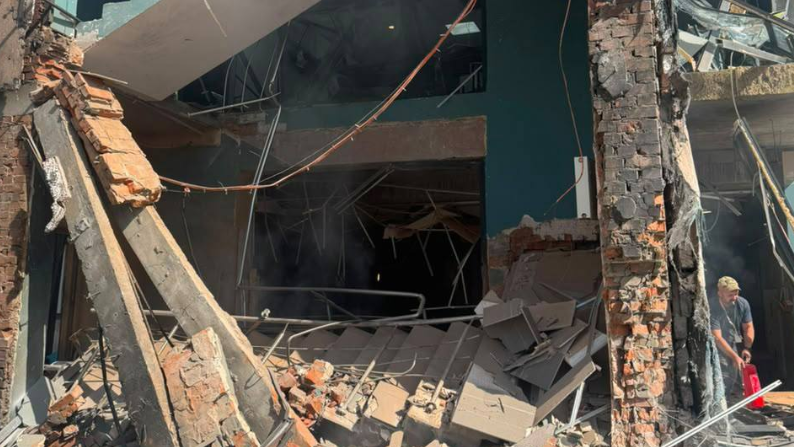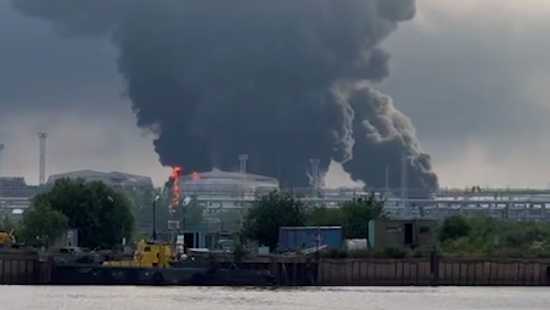
Early on Saturday night, Ukraine carried out a drone strike on the world‑class oil terminal in St Petersburg, Russia’s northern‑western industrial hub. The attack, described by President Volodymyr Zelensky as a strike on “key infrastructure that generates revenue for Russia’s war”, left the terminal – capable of producing 12.5 million tonnes of petroleum products a year – heavily damaged but with no reported casualties.
\Local authorities confirmed the blow and said the city had endured a “massive” drone attack from 72 UAVs shot down over the Leningrad region. Governor Aleksandr Beglov urged residents to remain indoors because the drone threat was still active and warned of possible disruptions to mobile internet.
\This strike dovetails with a recent series of long‑range attacks on Russian oil and gas infrastructure. Kyiv claims that nearly 43 % of Russia’s refining capacity has been disabled, a figure that the BBC has not examined independently. Moscow relies heavily on fossil‑fuel exports to fund its invasion of Ukraine, making these targets strategically valuable.
\Russian President Vladimir Putin admitted the fuel shortages had been caused by Ukrainian strikes, and on Saturday signed a law to boost domestic fuel supplies. Despite Russia’s silence on the claim, Ukrainian forces also said they struck a key naval base of the Russian Baltic Fleet in Kronstadt, further disrupting military logistics.
\In a broader context, Ukraine’s military denied that the eastern town of Kostyantynivka had fallen under full Russian control, countering Putin’s assertions that the town had been captured in June. The Kremlin’s claims have not been corroborated, while Ukrainian Defence Forces maintain a fortified presence in Kostyantynivka and the surrounding “fortress belt” of eastern Donetsk.
\The Russian Defence Ministry said it had shot down more than 500 Ukrainian drones and missiles in a single day, labeling the attacks as a diversion from more severe assaults on Kyiv and the eastern front. Both sides appear to seek an advantage ahead of next week’s NATO summit in Turkey.
\The incident underscores the escalating intensity of the conflict and its impact on global energy markets, with St Petersburg’s terminal serving as a critical node in Russia’s oil export chain.