
In brief
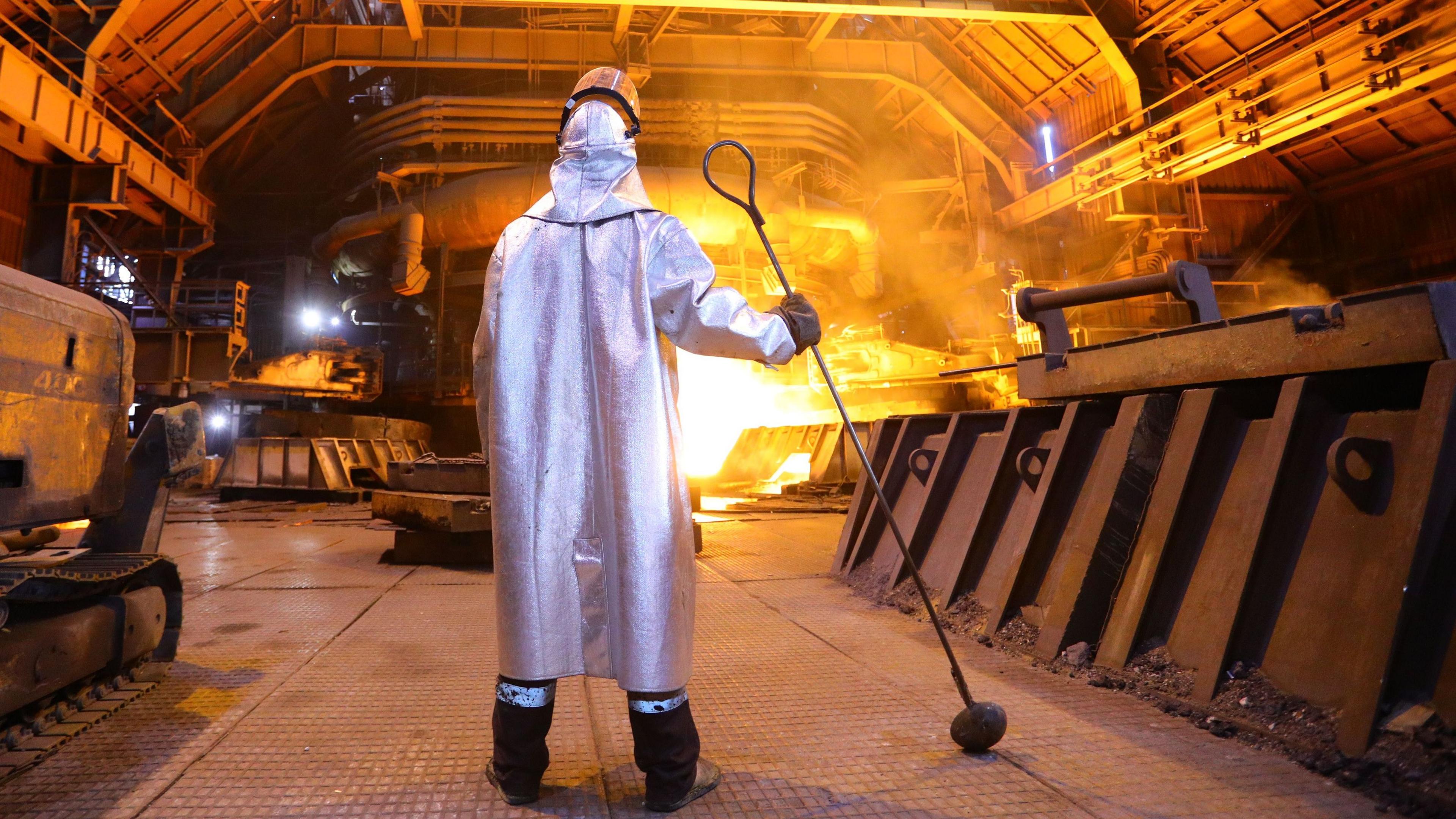
The Zaporizhstal steelworks, once the lifeblood of a major Ukrainian city, has been devastated by a series of Russian missile attacks. Eighty‑five workers were killed and dozens wounded, leaving 8,500 employees without jobs. The raids destroyed critical equipment, including blast furnaces, and are pushing the industry to the brink of collapse. The loss of Ukraine’s steel production threatens the economy, draining tax revenue, disrupting exports, and crippling the nation’s defence and reconstruction capabilities. With no clear path to restore operations, the future of Ukraine’s metallurgical sector remains uncertain.
The Zaporizhstal steelworks, once the economic backbone of its city, has been obliterated by a relentless series of Russian missile strikes. The factory, which employed 8,500 workers, has shut down indefinitely after 17 attacks that left equipment shattered and blast furnaces gone.
The toll on the workforce is staggering: eight workers were killed and 31 wounded in the raids. The plant’s destruction has removed the main source of income for thousands of families.
Before the war, the steel industry contributed roughly 10% to Ukraine’s GDP and a third of its exports. Metinvest’s chairman Oleksandr Myronenko said the sector’s output now stands near zero and that the loss of tax revenue is crippling local governments.
A pause in steel production undermines Ukraine’s defence and reconstruction efforts. Steel is essential for arms production, erecting shelters, and repairing war‑damaged infrastructure.
With rail lines and ports being targeted, moving any material becomes dangerous. Fiscal uncertainty and EU steel quotas compound the challenges facing a nation that once counted on its metalworks.
Despite the bleak outlook, workers at Zaporizhstal are clearing rubble and repairing what they can, displaying a resilience that mirrors Ukraine’s broader struggle against occupation.


