
In brief
A Ukrainian intelligence officer, Vladyslav Reut, who initially admitted shooting Anastasiia Berezovska – the woman suspected of setting a bomb that targeted the Ukrainian‑born businessman Vadim Yermolayev in Monaco – now says he did not pull the trigger and blames his co‑accused Vitalii Zhykovych. The two men, both former members of Ukraine’s security services, were tried in a heavily guarded Kyiv courtroom. The incident follows the mysterious explosion near the Monaco‑France border and raises speculation about state‑backed sabotage, Russian recruitment of agents, and the motives behind the attack. Ukrainian prosecutors say both men acted jointly, while Reut’s new testimony is being scrutinized amid political tensions. The case remains under investigation, with more questions than answers as authorities seek to uncover the true chain of events.
In a dramatic courtroom in Kyiv, Ukrainian intelligence officer Vladyslav Reut, 34, who recently led investigators to the grave of Anastasiia Berezovska, has publicly denied pulling the trigger in the murder of the woman linked to a bomb plot that targeted high‑profile businessman Vadim Yermolayev in Monaco.
Reut, a decorated officer of the State Intelligence Service (GUR), originally admitted to shooting Berezovska and guided authorities to her burial site. However, during a custody hearing, he stated that he “categorically denied” the act and blamed co‑defendant Vitalii Zhykovych, 50, a former SBU officer now with the Security Service, for the homicide.
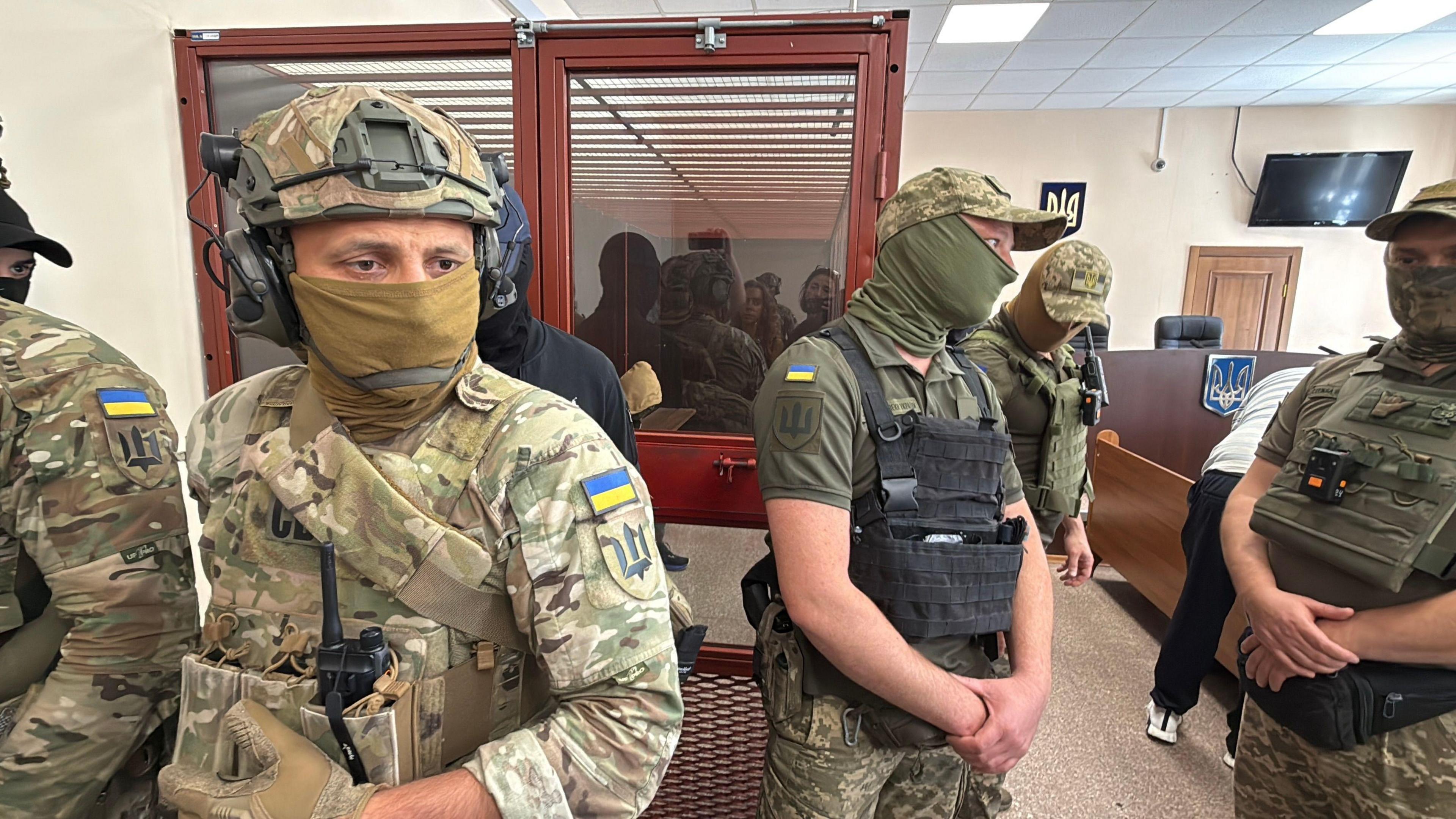
The pair were presented to the court with their hands cuffed and surrounded by heavily armed officers. Each kept their faces covered, only showing their eyes to the cameras and the judge.
Monaco’s explosion on 29 June 2026—an attempted bomb attack against Yermolayev’s residence—left Yermolayev and his family shaking. Yermolayev, who renounced Ukrainian citizenship and was sanctioned for business dealings in Crimea, has long been a controversial figure.
Reut’s new testimony offers an alternate narrative: he claims that Zhykovych forced him into the act, threatening his family, and that Zhykovych himself killed Berezovska with four shots, discarding the weapon and belongings into a nearby lake. The prosecutor maintains that both men acted jointly and have been charged with pre‑meditated murder.
Legal representatives and the Ukrainian prosecutor have questioned the plausibility of Reut’s account. While Zhykovych’s lawyer suggested a possible “Russian trail,” no evidence supports such a claim. The investigation remains open, with authorities hinting that all possible motives—from political sabotage to organised crime—are under consideration.
Both men were denied bail and remain in custody as the court reviews the evidence and the conflicting statements. The case has inflamed public debate about the role of state security forces and the potential involvement of foreign intelligence agencies.

