Nigeria is currently grappling with a spate of mass abductions, compounded by complex security challenges that stretch beyond simple labels. With over 250 ethnic groups and a diverse demographic landscape, conflicts between jihadists, criminal gangs, and separatists strain the already overstretched military and police resources.
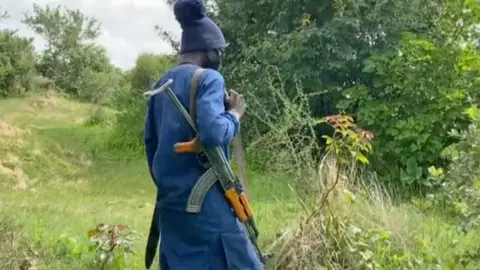
In the northwest, bands of criminals known as 'bandits' have emerged from the Fulani ethnic group, trading their herding tools for firearms in a lucrative kidnapping-for-ransom trade. Unlike ideologically driven groups, these gangs often operate independently and exploit local communities as well as neighboring regions, sowing fear and instability.
Boko Haram, notorious for its 2014 kidnapping of over 200 schoolgirls, continues to maintain a presence in northeastern Nigeria, having splintered into factions like Iswap, which targets military locations while avoiding civilian casualties. Their brutal tactics have left thousands in captivity, generating significant national and international concern.
In a different context, separatist groups in the southeast, like the Indigenous People of Biafra (Ipob), draw on historical grievances from the Biafran War to further their cause, often resorting to violence and kidnappings targeted at state forces and local authorities.
Additionally, a longstanding farmer-herder crisis continues to wreak havoc, often framed within religious contexts, but fundamentally revolving around competition for resources. This conflict has led to the emergence of local militias, with reports of mass killings complicating the situation further.
As Nigeria confronts these multifaceted threats, understanding the nuances of each group and conflict is crucial for crafting effective security policies and restoring peace across the nation.