In brief
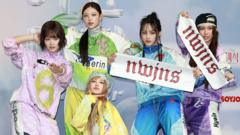
The ongoing debate regarding the status of K-pop idols as workers came to a head this week when South Korea's Ministry of Employment and Labor responded to allegations of workplace harassment made by members of popular group NewJeans. The government’s ruling, which concluded that celebrities do not fit the legal definition of workers, has sparked outrage both from fans and industry commentators, highlighting a long-standing issue within the K-pop entertainment landscape.
NewJeans, a rising force in the K-pop realm, enjoyed immense success last year, outselling all girl bands globally and generating a fanbase in the tens of millions. However, following an impromptu livestream on YouTube where band member Hanni and her peers aired grievances about their treatment by the company Ador, the group found itself embroiled in controversy. Their claims included bullying and neglect from staff, leading Hanni to express her willingness to testify in an industry hearing.Hanni's heartfelt testimony revealed not only perceived bullying but also a toxic work environment characterized by dismissal from agency executives. This prompted fans to rally against workplace bullying, urging governmental intervention. However, the Ministry of Employment and Labor's dismissal of these concerns based on the classification of entertainers as independent contractors has exacerbated tensions.Legal experts argue that the outdated labor definitions prevent K-pop idols from receiving rights typically afforded to workers, reinforcing a culture of exploitation. Critics assert that these entertainers endure extreme schedules without adequate rest, reflecting a grim reality of the entertainment world. Unlike traditional employees, K-pop performers receive compensation categorized as profit-sharing, further complicating their legal standing in the eyes of labor laws.The government’s stance underscores the necessity for substantial reform within the industry. Advocates point out the absence of laws protecting artists' rights and call for the establishment of regulations akin to those found in Hollywood, which ensure fair treatment and contractual standards for talent.On social media, supporters of NewJeans mobilized under the rallying cry of "IdolsAreWorkers," emphasizing the need for systemic changes. Many acknowledge the legal basis of the government's resolution but stress that it paves the way for greater reform and better working conditions for all artists.With Hybe Entertainment, the conglomerate behind top K-pop groups, representing a significant portion of the industry, many highlight the company’s responsibility in fostering a healthier work environment. As discussions regarding the need for legislation continue, the future of K-pop idols and their treatment remains uncertain, sparking a broader conversation on workers' rights in South Korea's entertainment sector.