
In brief
Seven Venezuelan deportees arrived in La Guaira aboard a flight from the United States after being held in detention centers. Hours later, powerful twin earthquakes struck the coastal state, killing thousands and leaving many refugees missing. Abelardo Rincón, who had built a life in Georgia, was among those lost. Families are grappling with the shock of a natural disaster right after an abrupt return to their homeland.
Seven Venezuelan Deportees, One Catastrophic Earthquake
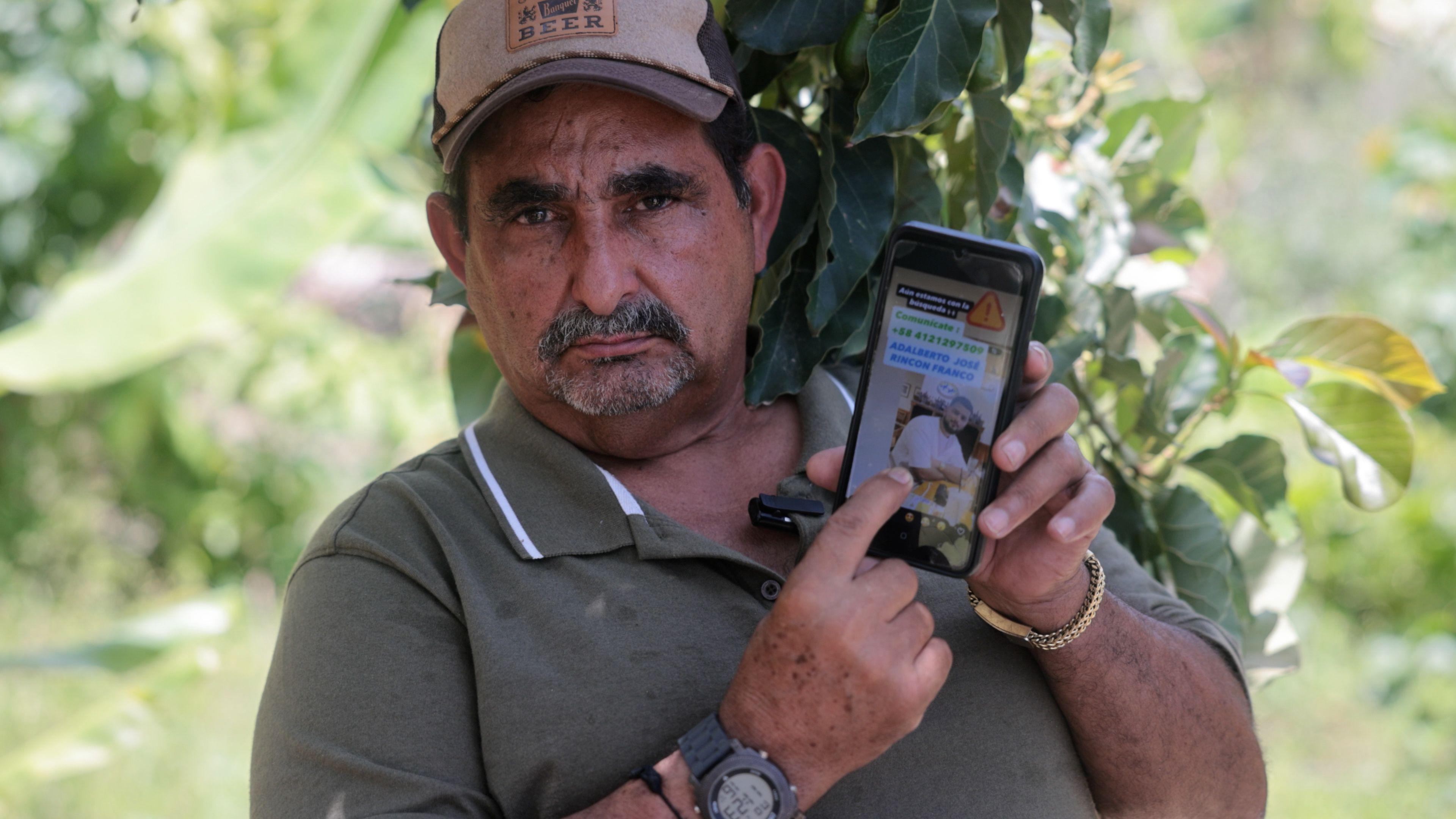
Abelardo Rincón, a 23‑year‑old from La Guaira, had spent the past six years living in the U.S. state of Georgia, working at a car dealership, marrying a fellow Colombian and anticipating the arrival of his first child. In the spring of 2026, U.S. authorities arrested him in Atlanta under the current immigration crackdown and placed him on a flight back to Venezuela. He was not the only one: more than 140 Venezuelans were enumerated on the same charter plane.
Upon arrival on 24 June, 2026, the deportees were taken to Hotel Santuario La Llanada in La Guaira for medical checks and official paperwork. The hotel, a common lodging for newly repatriated migrants, was located in a region badly affected by the recent seismic outburst.
Just hours after they settled, twin 7.4‑moment magnitude earthquakes struck the Venezuelan Caribbean coast. The blasts collapsed buildings, left thousands dead, and resulted, according to the United Nations, in 50 000 missing persons. Among those missing were the flight passengers, including Rincón.
Jose Rincón, Abelardo’s grandfather, reported having seen over 200 bodies in Caracas morgues to no avail. He travelled to La Guaira in an attempt to locate the hotel and peer into the rubble where his grandson was being held, only to be shut out by authorities saying the area was “dead.”
In parallel, other passengers on Flight 164 featured in a news series began to issue conditions: some survived the collapse; others, like 22‑year‑old Anderson Daniel Salcedo, had been trapped under rubble for almost two days and were later found in a state of trauma, separated from their families by a lack of official documentation.
Families of the missing now confront the eerie silence of unanswered calls, of cities in ruin, and of the duty of coordinating with both U.S. and Venezuelan authorities during an extreme emergency. The Ministry of the Interior has opened hotlines, but information is limited by the ongoing disaster.
The Department of Homeland Security stated that after the flight “safely reached Venezuela and all illegal aliens on board were returned home.” But the U.S. definition of “illegal alien” remains ambiguous in this case, leaving questions about the motives for deportation.
Families, many of whom have spent years in exile or have not yet reunited with their loved ones, are left to grapple with the horror of a disaster occurring the moment they are expected to be home.
Immigration officials say that any individual no longer in ICE custody is not the agency’s responsibility. Yet the fate of those deported into the burning ruins, the ongoing search efforts, and the human stories outside the shuttered borders underscore the limits of bureaucratic eyes in the face of physical disaster.
This unfolding crisis highlights the fraught intersection of migration policy, human rights, and sudden natural calamities that can trap thousands in a single moment of profound loss.
