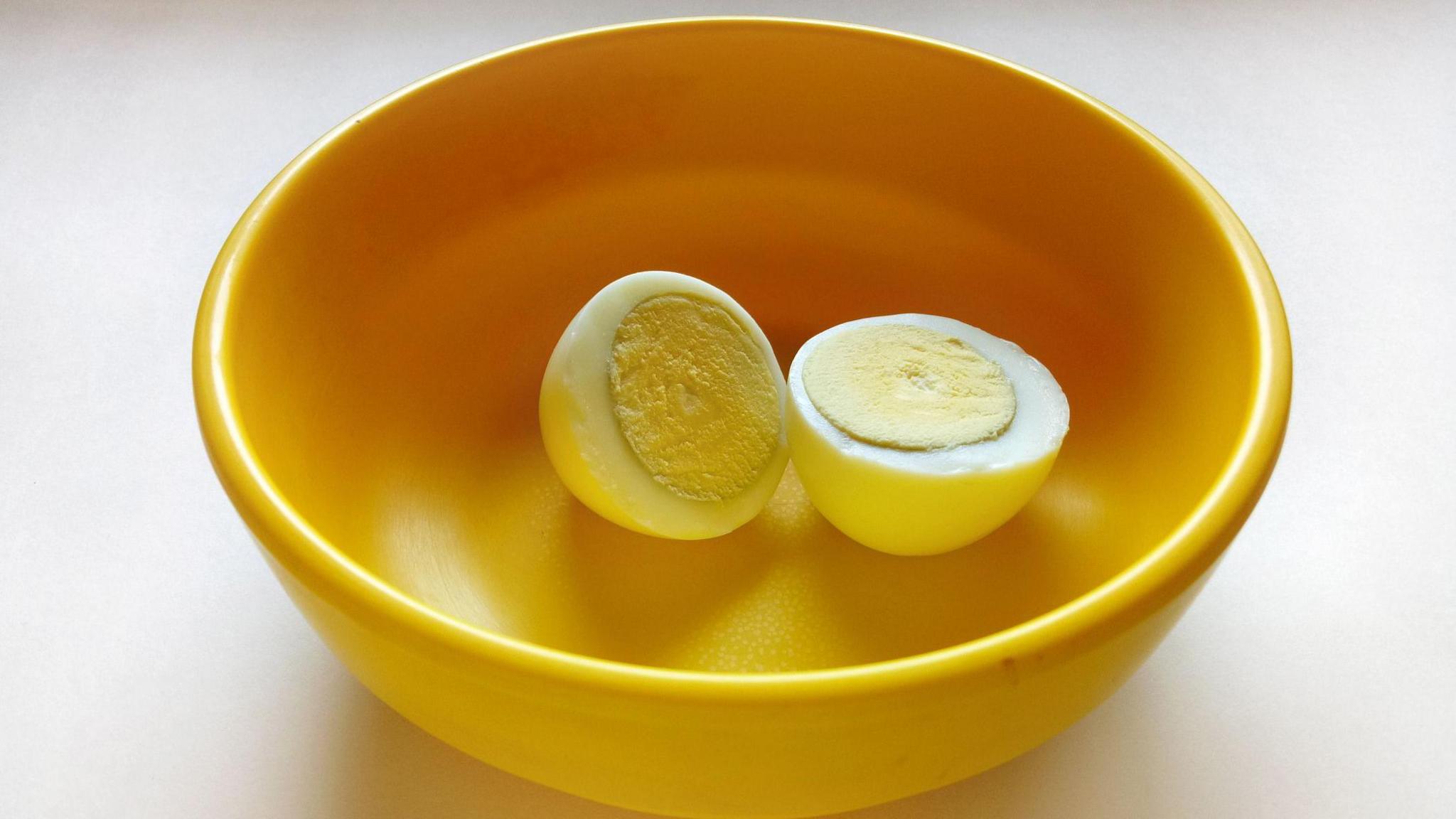
Eggs or no eggs? The question has dominated Indian social media and headlines after the eastern state of West Bengal announced last week that eggs would be removed from some government school lunches.
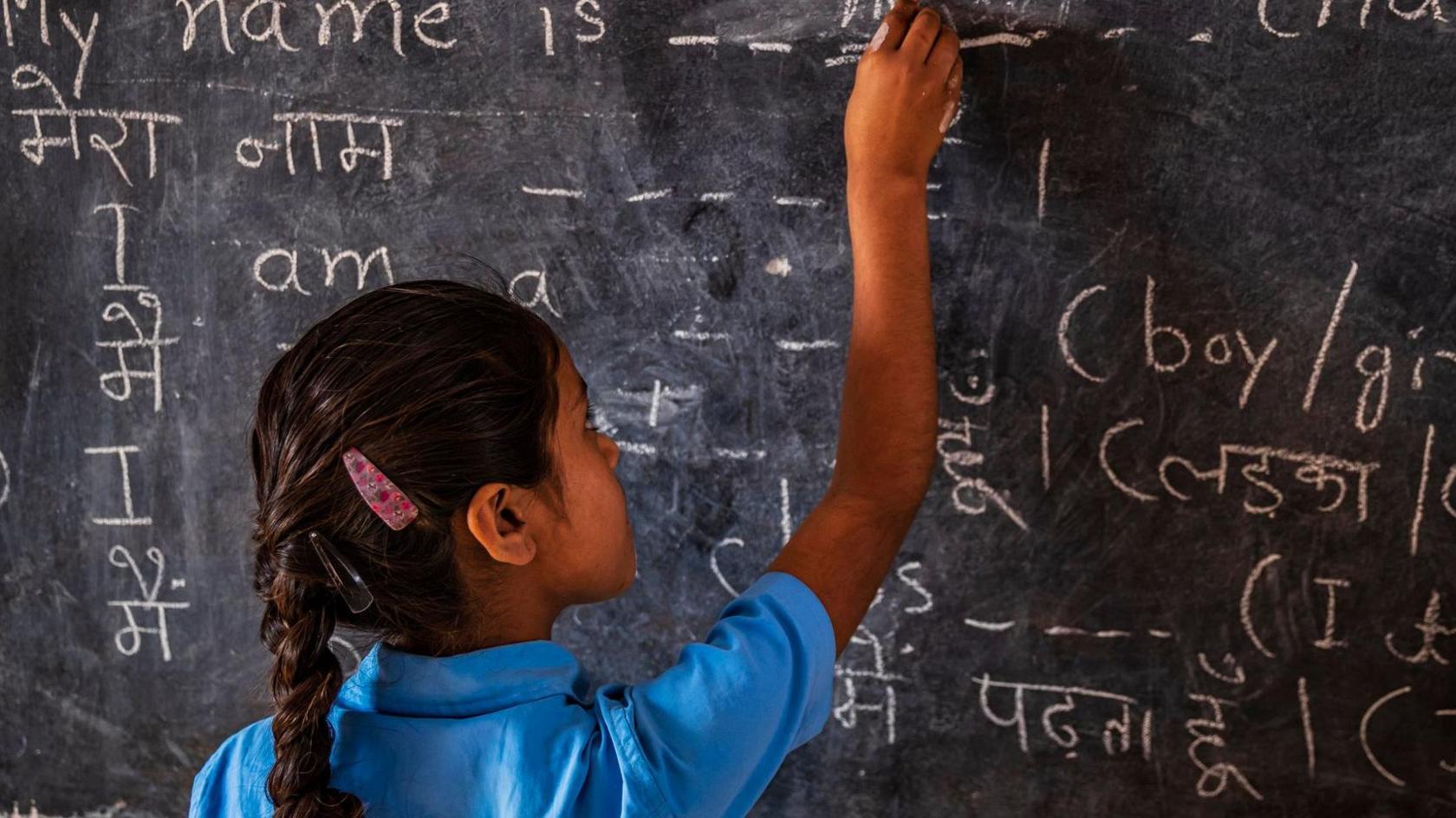
The mid‑day meal programme gives children in government and government‑aided schools free, cooked lunches. For millions of under‑privileged children it is the most nutritious, and sometimes the only, meal they eat on that day. The scheme has long been credited with improving nutrition, reducing hunger and encouraging children to stay in school.
Problems erupted when West Bengal’s recently elected Bharatiya Janata Party (BJP) government said meal preparation for schools run by the Kolkata Municipal Corporation would be handed to the International Society for Krishna Consciousness (Iskcon), the Hindu group best known as the Hare Krishna movement. Iskcon’s Annamitra Foundation would prepare only vegetarian food, replacing eggs with other protein sources, the organisation said.
The project has not yet begun and it is unclear whether it will be expanded to other schools. Iskcon told BBC that discussions were still under way and nothing had been finalised.
But it has already reignited a familiar debate across India: what belongs on a school lunch plate? Nutrition campaigners say eggs are one of the cheapest and most effective sources of protein for growing children, especially those from poorer households. Attempts by several state governments – many led by the BJP – to replace or limit eggs in school meals have repeatedly sparked controversy.
Critics say governments are letting religious or ideological beliefs dictate nutrition policy by removing eggs. Supporters argue that carefully planned vegetarian meals can provide the same nutrients.
The opposition All India Trinamool Congress (TMC) has accused the newly elected BJP government of trying to "impose vegetarianism" on schoolchildren.
Eggs have long been considered one of the cheapest and most efficient sources of high‑quality protein. They usually cost around eight rupees ($0.08; £0.06) each and have been part of Bengal’s food culture for generations.
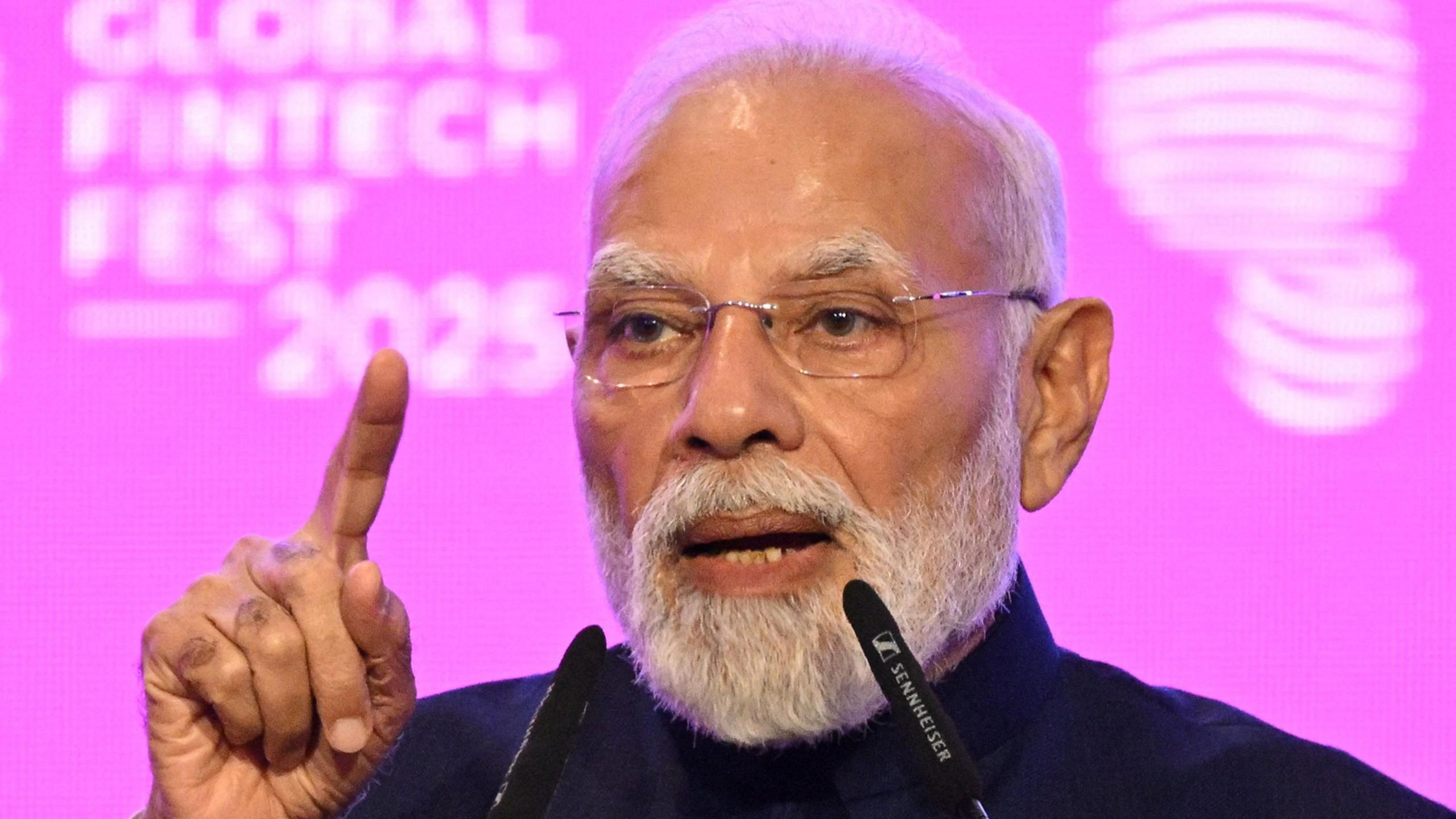
Defending the decision, Chief Minister Suvendu Adhikari said the project was aimed at providing students with “good and pure food”. “You don’t have to say Hare Krishna. No one will force you,” he said, rejecting criticism that the move was driven by the BJP’s Hindu nationalist ideology.
Iskcon said the criticism is misplaced. Through the Akshaya Patra Foundation, which it founded, it provides school meals to about one million students across 16 states, including Karnataka, Andhra Pradesh, Gujarat and parts of Delhi.
Radharaman Das, Iskcon’s Kolkata vice‑president until last week, told local media that the organisation takes special care to ensure its meals are nutritious and hygienic. He said the vegetarian menu would provide enough protein and vitamins to match the nutritional value of eggs.
Das has since been removed from his organisational posts, although Iskcon has not publicly explained the decision.
The row has also renewed focus on India’s school meal scheme. Launched nationwide in 1995 and rooted in a school feeding programme begun in Madras (now Chennai) in 1925, it has grown into one of the world’s largest, serving more than 110 million children.
The federal government sets calorie and protein targets, but states decide how to meet them. As a result, there is no single national menu, and meals vary across the country. In Bihar, children typically are served rice with pulses or chickpeas, plus an egg once a week. In Tamil Nadu, school lunches often include rice, sambar (lentil‑vegetable stew), vegetables and eggs. Other states serve only vegetarian meals. In Gujarat, Uttar Pradesh and Delhi, menus usually feature rice‑ or wheat‑based dishes with pulses and vegetables, sometimes accompanied by milk, paneer (cottage cheese) or fruit.
For nearly a decade, students in Kolkata’s government schools have been served an egg on some days of the week, alongside rice, pulses and vegetables. Now that could change.
Reactions have been mixed. Some primary school students told BBC they welcomed the change as a break from familiar meals. Others were disappointed, saying they looked forward to the days eggs were served.
Chaitali Mitra, 37, whose daughter attends a government school, said school meals are better with an egg. "It would reassure me that my growing child's protein needs were being fulfilled," she added.
For nutrition experts, the debate is less about food preferences than whether vegetarian substitutes can match eggs for nutrition at the same cost. Fareha Shanam, a nutritionist at Delhi’s Sir Ganga Ram Hospital, says eggs are among the most complete and affordable sources of protein. "Eggs contain all nine essential amino acids that the body needs," she said, noting that pulses – while also nutritious – contain more fibre and a higher share of non‑essential amino acids.
"Eggs are also rich in vitamins D and B12, making them an efficient source of nutrition for growing children," Shanam added. Foods such as paneer can provide similar nutrition, but they are far more expensive than eggs, making them difficult to serve regularly in a publicly funded programme.
Dr Vamshi V, a consultant in internal medicine at Gleneagles Aware Hospital in Hyderabad, said replacing eggs without carefully matching their nutrients could leave children short of essential protein and micronutrients. The effects may not be immediate, she says, but over time they can impair growth, learning and immunity.
For teachers in government schools across the country, it all comes down to a simple reality – for many under‑privileged children, these meals are indispensable. "The mid‑day meals have been among the biggest reasons for students getting admissions in primary schools," says a primary school teacher in Delhi who did not want to be named. Many children come to school hungry and wait eagerly for lunch every day.
Meanwhile, in Bihar, teacher Bimla Singh* says the choice should be left to children, as it already is at her school. Every Friday, students are offered an egg and those who do not eat eggs receive a banana instead.
"No one is forced to eat one or skip the other," she added.
*Name changed on request