Hamas's decision to postpone the release of hostages has ignited concerns over the stability of the ongoing ceasefire in Gaza. In a recent message via Telegram, the group labeled this delay a "warning" to Israel, indicating the need for mediators to intensify pressure for Israel to meet its commitments. While Hamas maintains that the "door remains open" for the upcoming releases, it is clear that underlying tensions are brewing.
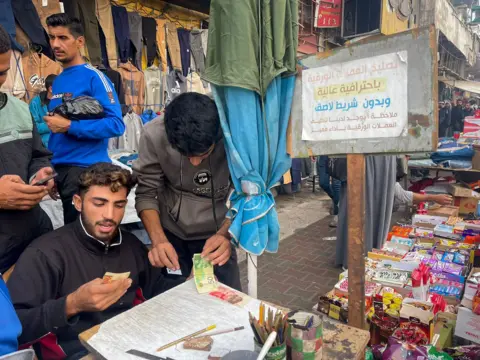
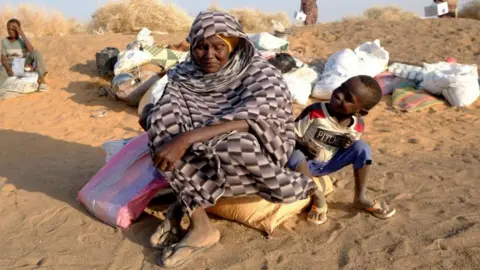
Several grievances raised by Hamas include the slow return of displaced individuals, ongoing assaults, and the lack of certain humanitarian supplies. Palestinian officials, not directly affiliated with Hamas, point to Israel's hesitancy to facilitate caravans for housing the vast number of displaced Palestinians as exacerbating factors. This situation is compounded by the Israeli government’s discussions aimed at encouraging civilians to evacuate Gaza, which inevitably raises fears of mass displacement.
Former President Donald Trump's provocative statements have also added fuel to the fire. Initially, Trump suggested that many Palestinians should evacuate during the reconstruction of Gaza. Recently, he escalated this rhetoric, explicitly asserting that all Palestinians must vacate, and proposing U.S. administration of the region. As Trump intensifies his claims, Hamas's commitment to the ceasefire talks may be in jeopardy, especially if the underlying objective is perceived to be reshaping Gaza’s demographics.
With a deadline looming for the return of all hostages, Trump has threatened to end the ceasefire if not met by the specified date. Although he indicated that such a decision rests with Israel, his remarks have provoked anxiety among families of the hostages, with many fearing that the delay could lead to more obstinacy from Hamas.
Hamas's motives behind the delay are scrutinized, with some suggesting that it aims to safeguard the visibility and conditions of other hostages. Simultaneously, the release of weakened hostages has raised alarms in Israel, where some are questioning the viability of the ceasefire amidst the backdrop of escalating military actions and hostage situations.
As the situation in Gaza stands on a knife-edge, the prospects of a long-lasting ceasefire appear increasingly fragile, caught between humanitarian pressures, political maneuvers, and the specter of renewed conflict.