
In brief
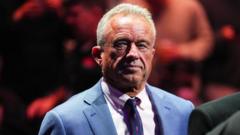
Kennedy, President-elect Trump's nominee for the Department of Health and Human Services, has taken a definitive stand against harmful ingredients in food, including additives and dyes, positioning himself as a controversial reformer in public health policy.
Kennedy will face significant challenges as he seeks to implement changes to food regulations while navigating opposition from the food industry and potential skepticism from the Trump administration. Kennedy has declared war on the American diet, advocating for a shift towards healthier, natural foods and pledging to eliminate ultra-processed items that have been linked to chronic health issues like obesity, diabetes, and cancer. During a recent rally, he criticized the food industry's role in compromising children's health, stating, "We are betraying our children by letting industries poison them." As Trump's choice to lead the Department of Health and Human Services (DHHS), Kennedy's track record as a controversial figure, particularly due to his unsubstantiated claims about vaccines and health impacts of technology, invites both support and skepticism. Advocates for health reform highlight Kennedy's vision to overhaul food regulations, but experts caution that his proposals may face strong opposition from well-established industry interests. Kennedy's ambitious plan includes tackling the Food and Drug Administration (FDA) head-on, promising to bring about significant changes in how it operates and prioritizes food safety. He has set forth proposals to ban specific food dyes and additives that are already prohibited in other countries and aims to revise nutrition guidelines governing school lunches—an area he identifies as crucial for the next generation’s wellbeing. Health professionals have expressed cautious optimism about Kennedy's aims to reduce processed foods, recognizing the need to address chronic health challenges in America. However, experts also warn that some of his views, like eliminating fluoride from drinking water or consuming unpasteurized raw milk, lack sufficient scientific backing and could pose health risks. Policy analysts emphasize the complexity of food reform in the U.S., as both the USDA and FDA share oversight responsibilities. Kennedy must align his vision with the constraints of existing legislation while managing significant pushback from both the agricultural sector and consumers accustomed to fast-food culture.Industry groups responded preemptively to Kennedy’s appointment, indicating plans to lobby against his agenda, highlighting the challenge he faces in enacting more stringent food safety regulations. Moreover, Kennedy's alignment with Trump's less regulatory-focused approach raises questions about the feasibility of his proposed changes.Despite potential hurdles, advocates argue that Kennedy can pursue tangible reforms within the scope of current regulatory frameworks, especially through updates to dietary guidelines that govern federal food programs. Nevertheless, experts caution that his more radical proposals could destabilize efforts to improve food safety if they compromise the expertise within the FDA.Ultimately, the success of Kennedy's health initiative will depend on his ability to cut through the complexities of food policy-making in the United States, balancing urgent health imperatives with the interests of a powerful food industry.

