
In brief
With vast mineral reserves attracting international attention, Greenland's mining ambitions might shape its economic future. However, the local populace remains cautious about the long-term impacts of mining ventures.
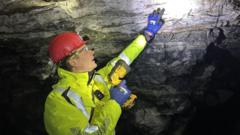
Amid rising global interest in mineral exploration, Greenland’s untapped mineral resources are seen as capable of supplying the Western world’s demands for decades. Eldur Olafsson, CEO of Amaroq Minerals, highlights that the island is rich in valuable resources like gold, copper, and rare earth elements. Tensions escalated when President Donald Trump reiterated aspirations for U.S. control over the autonomous territory, which Denmark firmly states is not for sale.At Nalunaq, a significant mining site operated by Amaroq, gold drilling is underway within rugged mountain landscapes, signalling the potential for profitability where operations ceased due to fluctuating gold prices in the past. Olafsson claims the untouched reserves present a unique opportunity, as only two mines currently function on the island.Despite mineral wealth, Greenland’s economy remains largely driven by public sectors, particularly fishing, supplemented by a $600 million annual subsidy from Denmark. Local leaders express hope that gold and mineral production could reduce this dependency and foster independence. Meanwhile, the burgeoning tourism sector currently brings more revenue than mining, underlining the complexity of Greenland's economic landscape.The global demand for rare earths is amplified by geopolitical tensions, notably with China, which dominates these critical resources. Consequently, Western nations, including the U.S., are keen to secure alternative supplies, spurring exploration licenses for mining activities across the island. However, challenges such as high operational costs, limited infrastructure, harsh climate conditions, and stringent environmental regulations hinder swift mining progress.Local sentiments remain varied, with some residents skeptical about the mining sector translating into tangible benefits for the local workforce. Community leaders acknowledge the potential for economic growth but express concerns that profits might leave the country, not benefiting Greenlanders directly.As global geopolitical dynamics unfold, Greenland maintains an open stance towards business relations, particularly with U.S., potentially ushering in investment opportunities. Yet the uncertainty surrounding international interests poses risks to the investment climate, leaving Greenland’s future in the balance as it navigates the complexities of mineral wealth amidst varied local perspectives.


