
In brief
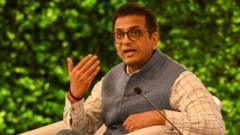
As Justice Dhananjay Chandrachud concludes his term as India's 50th Chief Justice, he grapples with the complexities of his legacy. Despite being hailed for significant rulings on individual rights and legal reforms, critics argue that his tenure lacked assertiveness against governmental overreach.
Justice Dhananjay Yashwant Chandrachud reflected on his tenure as India’s 50th Chief Justice during his retirement, questioning how history would assess his contributions. Speaking candidly about his feelings of apprehension about the future and the past, he pondered whether he had accomplished his goals and what kind of legacy he would leave behind. Over his more than eight years of judicial service, including two years at the helm, Chandrachud gained public attention not just for his rulings but also for his relatable persona, often referred to as India’s "celebrity judge."Justice Chandrachud's term saw him emerge as a prolific chief justice, writing 93 judgments that addressed critical issues impacting Indian society. His efforts in digitizing court processes and permitting livestreaming of proceedings were notable advancements aimed at increasing accessibility for citizens. Despite these achievements, the latter part of his tenure attracted scrutiny, with some detractors expressing dissatisfaction over his perceived reluctance to challenge government authority decisively.His accolades include being the youngest chief justice of a high court and overseeing India's Supreme Court during a politically charged climate, particularly as the Bharatiya Janata Party prepared for a pivotal third election campaign in 2024. While Justice Chandrachud was celebrated for his progressive stance on significant issues—ranging from decriminalizing homosexuality to safeguarding women's rights—critics argued that he faltered in cases where state interests were heavily involved. Prominent voices in the legal community noted that he fell short of holding power accountable in instances like political rights and freedom of speech.Additionally, Justice Chandrachud faced backlash for a viral video showcasing his interaction with Prime Minister Modi during a religious festival, which many viewed as compromising judicial impartiality. Moreover, a statement he made regarding seeking divine intervention for resolving India’s contentious temple-mosque dispute garnered extensive criticism, raising questions about the intersection of faith and law.Addressing the controversy from various angles, Justice Chandrachud asserted that the judiciary's relationship with the executive should not be inherently adversarial, but rather cooperative. As he leaves the office, the former chief justice maintains that, despite criticisms, he believes he has enhanced the judicial system during his tenure. Now retired, he expressed satisfaction with his contribution, challenging critics to look towards his written judgments for evidence of his judicial conduct and independence.

