
In brief
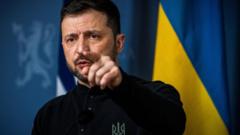
In a significant move towards potential peace talks between Ukraine and Russia, President Zelensky has publicly emphasized the need for Russia to cease its "unnecessary demands" that prolong the ongoing conflict. During discussions in Saudi Arabia on Monday, he insisted that any shift in NATO membership status for Ukraine would favor Russia dangerously. The remarks come amid revelations of ongoing military discussions and ceasefire attempts as the war persists.
Zelensky announced that both American and Ukrainian officials would convene in Saudi Arabia next Monday for pivotal discussions, coinciding with confirmed talks between Russian and US diplomats. He expressed dissatisfaction with what he termed unhelpful Kremlin demands, including the termination of military support for Ukraine. Furthermore, he strongly interpreted any concession of NATO membership as a detrimental gift to Moscow.Amid the dialogue, Zelensky rejected claims from the White House indicating he had discussed the transfer of Ukraine's nuclear facilities to the US during a call with former President Donald Trump. Reiterating Ukraine's sovereignty over its nuclear assets, he stated the populace should retain ownership, though he remains open to potential involvement from the US in modernizing the Zaporizhia power plant currently under Russian control.Despite agreeing to a halt in airstrikes against energy infrastructure, both sides have continued hostilities, with significant recent casualties reported in Ukraine. As the US endeavors to facilitate a ceasefire, discussions pivot around various contentious issues, including Russia's demand for a security guarantee against NATO membership for Ukraine.Following a recent surge in hostilities including drone strikes and fatalities, Zelensky called for urgent military assistance from Europe, asserting that continued support is essential for Ukraine's defense. He also insisted on the EU's active participation in peace discussions while emphasizing the importance of maintaining pressure on Russia.In parallel developments, UK Prime Minister Sir Keir Starmer stressed the importance of security arrangements for any future peace deal, suggesting preparations for a coalition to uphold peace should be prioritized. His statements reflect a growing recognition among international allies that any agreements made must be supported by enforceable commitments to prevent Russian violations.As the conflict continues, discussions remain fraught with challenges, underscoring the complexity of achieving lasting peace in the region.
