
In brief
The largest coral ever recorded has been uncovered in the Pacific, sparking interest in its ecological significance and the threats posed by climate change.
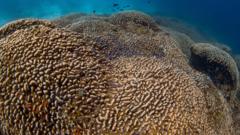
The largest known coral has been recently discovered in the deep waters of the southwest Pacific Ocean, a milestone that highlights ongoing environmental issues. According to researchers, this colossal coral is estimated to be over 300 years old and surpasses even the size of a blue whale. Found by National Geographic videographer Manu San Felix during an expedition, the coral's existence was completely unknown to local communities.The impressive coral, which measures 34 meters wide, 32 meters long, and 5.5 meters high, is reminiscent of an underwater cathedral, as San Felix described. "I felt this huge respect for something that's stayed in one place and survived for hundreds of years," he reflected, noting its potential survival during significant historical events. The coral's discovery coincided with the UN climate talks COP29 in Baku, Azerbaijan, further emphasizing the urgency surrounding climate action. Scientists conducted underwater measurements to confirm the coral's size and health. Unlike many corals vulnerable to rising sea temperatures, this specimen thrives in deeper waters, offering it protection from the adverse impacts of climate change.Trevor Manemahaga, the climate minister for the Solomon Islands, expressed pride in the find, emphasizing the ecological and economic importance of the coral. "We rely mostly on marine resources for economic survival so coral is very, very important," he stated. Notably, the coral—which belongs to the Pavona clavus species—serves as a habitat for various marine creatures and can provide insights into historical ocean conditions.Despite this positive discovery, concerns about the future of corals are pressing. A recent report indicated that nearly half of warm water corals face a heightened risk of extinction. Additionally, small island nations like the Solomon Islands must navigate the dual pressures of climate change and economic activities, such as logging, which contribute to coral degradation. Scientists underscore the importance of preserving these ecosystems while advocating for financial support to help vulnerable nations combat climate challenges.
