
In brief
Concerns are escalating as new US sanctions on Iranian oil threaten to derail diplomatic efforts.
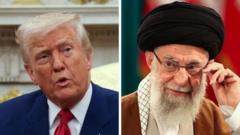
As tensions rise in the Middle East, the anticipated fourth round of negotiations between Iran and the United States regarding Tehran's nuclear program has been postponed. According to Iranian officials, the decision was made collaboratively with the US and Omani facilitators due to "logistical and technical reasons." While the exact timing of the talks has never been confirmed, the US State Department noted that they anticipated resuming discussions "in the near future."This postponement follows a declaration from US President Donald Trump, who has recently threatened sanctions on any nation or entity purchasing Iranian oil or petrochemicals. On Thursday, fresh sanctions were introduced targeting entities allegedly linked to Tehran, which Trump believes are necessary to curb Iran's financing of regional conflicts and support of terrorist activities. Since pulling out of the Iran nuclear deal in 2018, Trump has consistently advocated for a revised agreement, claiming he would achieve a "better" deal that ensures Iran's nuclear program remains peaceful.Despite earlier constructive dialogues, both sides are now facing uncertainties regarding the effectiveness of the ongoing negotiations. Iran's Foreign Minister Seyed Abbas Araghchi emphasized Tehran's resolute commitment to finding a balanced agreement that ends sanctions and secures its rights. However, the recent sanctions and mixed messages from the US delegation have fueled skepticism within Tehran.An Omani official confirmed that a rescheduled date for negotiations will be established once all parties reach a consensus. Both nations are ostensibly motivated to prevent conflict, yet the Iranian leadership has expressed concerns over the practicality of continued discussions amidst increasing sanctions and demands for changes in regional behavior.Amidst these developments, Trump reiterated on his social media platform that any country involved in transactions with Iran would face immediate sanctions, asserting that they would be excluded from conducting business with the US. Iran has criticized these sanctions, describing them as a manifestation of American unpredictability and insincerity.Additional communications from US officials have indicated an uncompromising stance towards Iran, suggesting that the country would face repercussions for its support of the Houthis in Yemen, a group involved in regional conflict dynamics. As the situation evolves, the main query remains whether negotiations can yield a resolution that satisfies the requirements for dismantling Iran's nuclear capabilities while lifting sanctions in the process.

