
In brief
India's historically protective trade stance, marked by high tariffs and low export levels, could paradoxically shield it from global economic downturns as other economies struggle. Experts suggest that to capitalize on this unique positioning, India must gradually open up to trade and enhance its competitiveness.
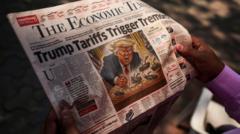
India, now the fifth-largest and fastest-growing major economy in the world, could find its trade-shy approach advantageous amid a tariff-driven global slowdown. Traditionally, India has maintained high tariffs, leading to a share of global exports that remains below 2%. However, this self-reliant stance has allowed the country to showcase resilience against external shocks that have adversely affected more export-dependent nations.In response to shifting US trade policies and a recent pause on tariffs by former President Donald Trump, some economists are arguing that India's lesser dependence on global trade can work to its benefit. Rajeswari Sengupta, an associate professor at the Indira Gandhi Institute of Development Research, notes that while other economies are expected to contract due to tariff pressures, India’s 6% growth may make its standing more favorable.Despite this potential short-term advantage, experts stress the importance of remaining proactive. India must incrementally open its markets to realize new opportunities. The country’s history of high tariffs and protectionist trade policies has complicated its journey toward establishing a robust global presence.Historically, India's disinclination for comprehensive trade liberalization has roots in its past. Academics like Arvind Panagariya, from Columbia University, illuminate how the country’s preference for import substitution stifled competitiveness and innovation, leading to stagnated growth from 1951 to 1981. A shift in strategy in the 1990s allowed for greater export activity, but for India to seize current global market opportunities effectively, it must renew its commitment to trade openness.Challenges persist, as decades of protectionist measures have sidelined industries that require reform and investment to enhance efficiencies and competitiveness. The potential for partnerships with the EU and other nations looms large, but the call for India to reduce tariffs and strengthen export sectors, such as textiles and garments, remains critical.With the looming threat of renewed tariffs from the US, estimates suggest India might experience up to a $7.76 billion decline in exports. As such, experts emphasize the urgency for India to streamline trade agreements and enhance domestic processes, emphasizing a balanced approach to international trade without sacrificing local industry growth.In a landscape marked by growing protectionism, India stands at a crossroads. The choices made now about trade openness could define its role as a significant global player in the coming years.

