
In brief
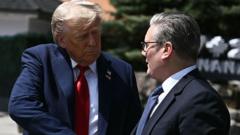
In a significant development for international trade, President Donald Trump has signed an executive order that initiates key components of a tariff agreement previously established between the United Kingdom and the United States. The order, confirmed during the G7 summit in Canada, will notably lower the tariffs imposed on UK cars entering the US from 25% to 10%.
The UK government has engaged in extensive discussions with the US to secure this tariff relief, which aims to mitigate the adverse effects of Trump’s tariffs on British industries. However, the deal maintains a 10% duty on a range of UK goods, including cars, and notably does not eliminate tariffs on steel imports, an aspect that continues to concern UK officials. This newly established tariff framework allows for up to 100,000 UK cars to be imported to the US under the reduced tax, which many see as a move that supports UK manufacturers who rely heavily on US markets. In addition to cars, the agreement also permits the removal of certain tariffs on aerospace products. Prime Minister Sir Keir Starmer characterized the day as a momentous step forward for economic cooperation between the two nations.Trump's approach has raised questions and drawn criticism, particularly as opposition parties in the UK refer to the agreement as a "tiny tariff deal," arguing it lacks the comprehensiveness of a full free-trade agreement. While the deal is a positive sign of progress, it is considered more limited than what many advocates have sought in a broader free-trade deal, which would require Congressional approval.As the UK government prepares to comply with new implementation guidelines, they remain committed to maintaining strict food safety standards regarding US beef imports, even as tariffs on those products are set to be reduced. Analysts suggest that while the agreement may bolster US-UK relations, much remains to be done to ensure a robust trade framework that can sustain both countries' economic interests moving forward.



