
In brief
The global economic landscape has turned unstable as stock markets nosedive following China's response to new tariffs imposed by the U.S.
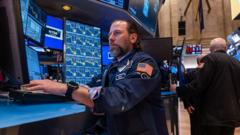
The turmoil in global stock markets intensified today as China's counter-actions to U.S. tariffs announced by President Donald Trump ignited concerns about a drawn-out trade war, potentially destabilizing the global economy. The S&P 500 plummeted nearly 6%, marking the worst week for U.S. stocks since 2020, while the FTSE 100 in the UK experienced its most significant fall in five years, sinking almost 5%. Markets across Asia, Germany, and France mirrored this downward trend, with all three major U.S. indexes declining over 5%.Trump, undeterred by market reactions, claimed the U.S. labor market remains robust and urged supporters to remain steadfast: "Hang tough... We can't lose." Analysts have warned that Trump's sweeping 10% tariffs on a plethora of imports could trigger a severe contraction in trade, leading many nations towards economic recessions. The tariffs, some set to take effect imminently, represent the largest tax hike in the U.S. since 1968.China's retaliatory measures included imposing import taxes of 34% on U.S. goods and placing U.S. companies on its blacklist, denouncing Trump's actions as "bullying" and a breach of international trade norms. As discussions continue among other nations, the European Union's trade commissioner expressed concerns over the need for a fresh approach in U.S.-EU trade relations, signifying a desire for diplomacy despite Trump's aggressive stance.The market downturn initially impacted companies reliant on Asian suppliers, such as Apple and Nike, but spread across sectors typically insulated from tariffs, indicating widespread anxiety among investors. Industry experts forecast a 60% chance of a global recession this year due to the implications of the tariffs, revising earlier estimates.However, some investors remain optimistic about certain sectors, particularly housing and retail, believing that potential interest rate reductions could stimulate growth. Even amid the chaos, shares in companies like Nike showed signs of recovery following positive communication from the White House regarding negotiations with Vietnam. On the other hand, significant drops in share values were noted, with Apple experiencing a 7% decline, bringing its total losses to approximately 15% over several days. The Dow Jones Industrial Average fell 5.5%, entering correction territory, while Europe faced similar declines, with France's CAC 40 down 4.3% and Germany's DAX falling almost 5%.Warnings from U.S. Senator Ted Cruz highlight the potential risks of the current trade policy, suggesting that excessively high tariffs on both U.S. and foreign goods could have disastrous consequences. Reports from farmers and fishing industries, such as those in Kansas or the Falkland Islands, underscore the broader impact of the tariffs on various sectors, raising concerns about their livelihoods and export markets.This unfolding crisis underscores the uncertainty surrounding the future of global trade and its repercussions on local economies. With industry leaders calling for a reevaluation of trade dynamics, it remains to be seen how global stakeholders will navigate the turbulent waters ahead.

