
In brief
Despite enjoying the transatlantic alliance previously, Trump's anticipated return raises concerns among European nations, primarily due to their own economic troubles and shifting political landscapes. The upcoming challenges include trade tariffs, defense commitments, and the implications of Trump's transactional view on global matters.
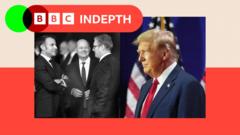
As Donald Trump embarks on his second presidential campaign, Europe is recalibrating its stance towards the former US leader, with many countries confronting their own political and economic difficulties. Voters across the continent, including those in Germany, express frustration that domestic issues are overshadowed by the focus on Trump. Concurrently, Europe is reflecting on the lessons learned during Trump's previous tenure and assessing its vulnerabilities.The previous administration suffered from tumultuous relations, as Trump’s approach was more akin to that of a businessman, prioritizing transactional exchanges over long-standing alliances. Former German Chancellor Angela Merkel remarked that Trump tends to view international relations as a zero-sum game, prompting European leaders to scrutinize how to navigate his potential return.This time around, the specter of Trump renegotiating NATO commitments and imposing restrictive tariffs looms large. Trump accused Europe of taking advantage of American trade practices, advocating for higher tariffs on imports, particularly detrimental for Germany, whose economy significantly relies on exports, especially in the automobile sector. Following his victory, there are fears he may unleash fresh trade hostilities reminiscent of his first term.Scholars believe Trump may return with a target on Germany, frequently expressing disapproval of its export successes. Simultaneously, Trump’s unpredictable nature raises questions about how severe his threats might be, and the extent to which they could destabilize European supply chains.Defense and trade, however, are interconnected in Trump's policymaking. His previous threats against allies have only intensified worries about Europe’s reliance on the U.S. for security. With Ukraine's war making NATO unity a pressing concern, European leaders eye a change in essential spending strategies.In this backdrop, differing European leaders adopt varied strategies. While French President Emmanuel Macron seeks to engage with Trump positively, UK officials hope to sidestep the backlash of trade disputes by leveraging historical ties. The European Central Bank has even floated the idea of negotiating with the US rather than retaliate against impending tariffs.But Macron also pushes for greater strategic autonomy within the EU, emphasizing Europe’s need to bolster its self-reliance in the face of global pressures, especially considering dependencies exposed by recent conflicts.While Trump’s victory reignites Euro-American tensions akin to those seen during his first presidency, the EU’s current landscape is strengthened by its united responses to various crises. This evolution, however, also highlights the fragility of the union, as internal divisions and rising nationalistic sentiments could complicate responses to external threats.In sum, a potentially more unpredictable and demanding Trump administration poses complex challenges for Europe. As the continent contemplates its collective strength and weaknesses, upcoming interactions will not only define Trump's second term but also reshape the transatlantic alliance for years to come. The narrative of these "frenemies" stands to be rewritten against the backdrop of evolving geopolitical realities.

