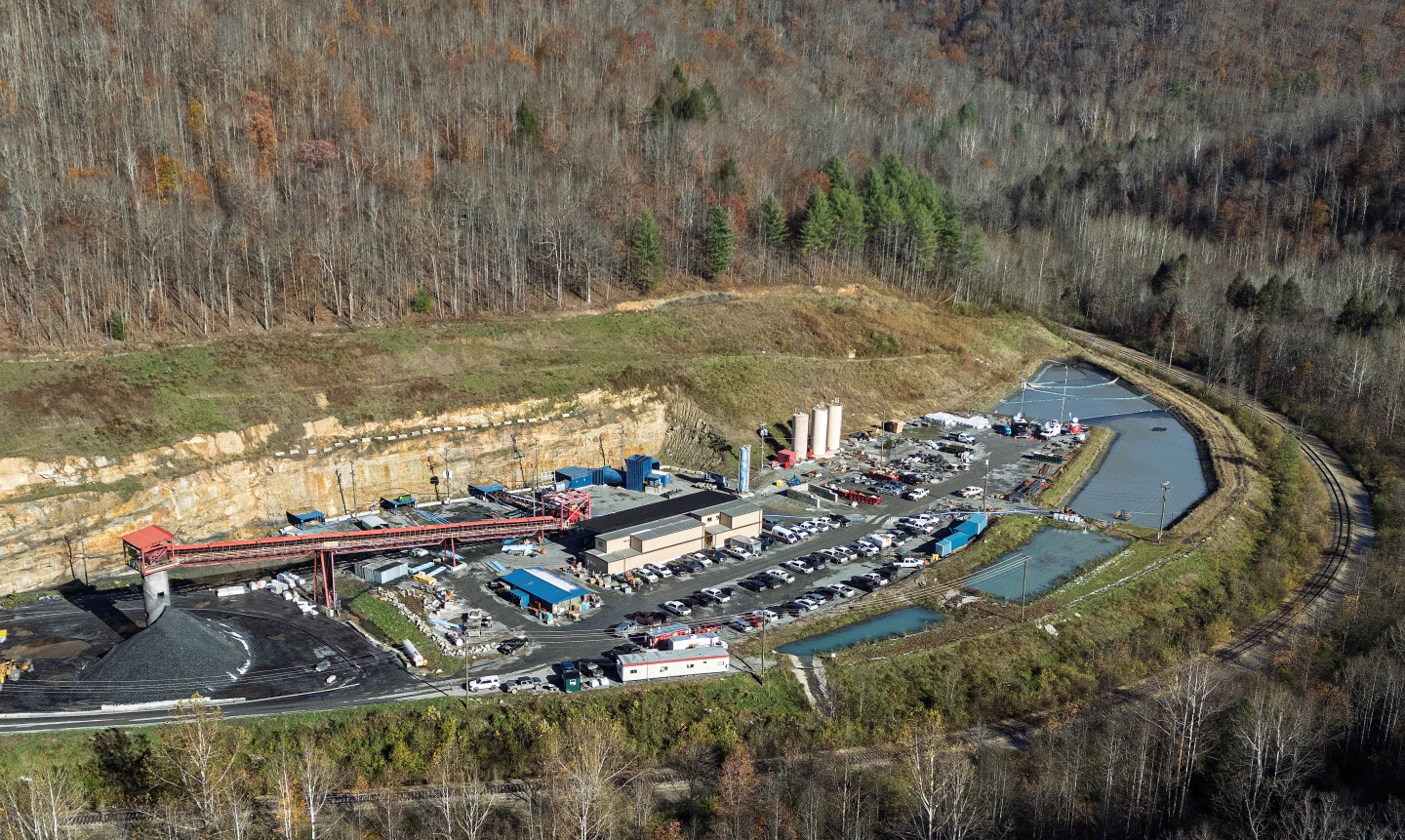
Fighting back tears, Prince recalls the horrific moment when his friend's lifeless body was discovered buried in the heaps of garbage that characterize Kiteezi. "I think some people are still underneath the garbage," he told the BBC. The Kiteezi landfill, constructed in 1996 with World Bank assistance, has become a massive source of waste for a city with an ever-growing population, now encompassing 15 hectares.
As torrential rains hit Kampala shortly before the tragedy, the fragile structure of the landfill, unable to cope with the accumulating waste, gave way. Many workers at the site, including Prince, relied on this perilous job to survive, searching for reusable items among the debris. "I make 10,000 shillings [about $2.70] a day," he shared, disclosing how he had to leave his home near the site due to safety concerns that arose after the collapse.
The aftermath of the disaster has ignited a blame game between the city council and central government, both shifting responsibility for the landslide. While compensation has been paid to the families of the deceased, those left homeless by the catastrophe still await support, trapped in a bureaucratic limbo. "We lost our friend. All that transpired in the process was sorrow," Prince lamented, expressing frustration over the delay in compensation for affected residents.
Experts raise alarms regarding the long-term viability of Kiteezi. Frank Muramuzi, an urban planner, highlights that waste from Kampala's residents—around 2,500 tonnes daily—accumulates in the landfill without proper recycling and disposal mechanisms. Legislative failures and financial mismanagement have further compounded the problem, preventing necessary reforms and proper handling of the waste crisis.
Authorities are drafting plans for better waste management practices in Kampala, including initiatives to convert organic waste into compost. However, experts argue that cleaning up existing structural inadequacies at Kiteezi should take priority. Only with concerted efforts from both residents and authorities can Kampala hope to address its waste management woes adequately.
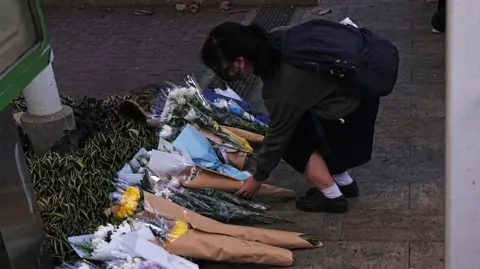
The stories of loss and hardship echo through the community as survivors like Prince seek justice and sustainable change, holding on to the memory of those lost in the tragedy.
As torrential rains hit Kampala shortly before the tragedy, the fragile structure of the landfill, unable to cope with the accumulating waste, gave way. Many workers at the site, including Prince, relied on this perilous job to survive, searching for reusable items among the debris. "I make 10,000 shillings [about $2.70] a day," he shared, disclosing how he had to leave his home near the site due to safety concerns that arose after the collapse.
The aftermath of the disaster has ignited a blame game between the city council and central government, both shifting responsibility for the landslide. While compensation has been paid to the families of the deceased, those left homeless by the catastrophe still await support, trapped in a bureaucratic limbo. "We lost our friend. All that transpired in the process was sorrow," Prince lamented, expressing frustration over the delay in compensation for affected residents.
Experts raise alarms regarding the long-term viability of Kiteezi. Frank Muramuzi, an urban planner, highlights that waste from Kampala's residents—around 2,500 tonnes daily—accumulates in the landfill without proper recycling and disposal mechanisms. Legislative failures and financial mismanagement have further compounded the problem, preventing necessary reforms and proper handling of the waste crisis.
Authorities are drafting plans for better waste management practices in Kampala, including initiatives to convert organic waste into compost. However, experts argue that cleaning up existing structural inadequacies at Kiteezi should take priority. Only with concerted efforts from both residents and authorities can Kampala hope to address its waste management woes adequately.
The stories of loss and hardship echo through the community as survivors like Prince seek justice and sustainable change, holding on to the memory of those lost in the tragedy.