
In brief
Donald Trump's sweeping promises for the U.S. economy, including ending inflation and imposing tariffs, face skepticism from analysts who warn of conflicting goals and political hurdles. While supporters believe in Trump's ability to deliver, experts caution that his strategies may exacerbate existing economic challenges.
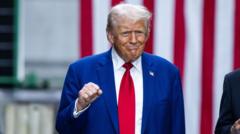
Donald Trump has made bold declarations aimed at transforming the U.S. economy, declaring an end to the "devastating inflation crisis," alongside plans for sweeping tariffs, tax reductions, and shrinking government size. He asserts that these measures will lead to a significant economic surge, reviving the American dream, and even proclaimed at Mar-a-Lago, "We're at the beginning of a great, beautiful golden age of business."However, analysts are raising alarms that many of Trump's proposed policies may be detrimental rather than beneficial to economic health. As the president-elect gears up to implement these strategies, experts indicate he will soon face economic and political realities that may hinder his ambitious agenda. Romina Boccia from the Cato Institute points out that there are no clear solutions to achieve these objectives, which often conflict with one another.One primary focus is Trump's commitment to tackling inflation. He has repeatedly claimed, "Prices will come down." Despite inflation showing some signs of receding, significant price drops are uncommon without economic upheaval. Trump's assertion relies heavily on boosting U.S. oil and gas production to diminish energy costs, though external factors considerably influence inflation and energy pricing.Moreover, Trump's plan to impose blanket tariffs, particularly a 10% tax on all imports rising to over 60% on Chinese products, has drawn scrutiny. Economists warn that such tariffs might result in increased consumer prices, raising questions about their effectiveness and the potential negative effects on the economy amidst an already fragile economic expansion. Michael Cembalest of JP Morgan Asset Management noted that any drastic economic overhaul could potentially "break something," stressing the need for cautious policy navigating.Additionally, Trump has proposed lower taxes and reduced regulations with intentions of stimulating American businesses. Yet, analysts believe that these cuts may lead to higher government borrowing, putting further pressure on inflation. The impending challenges of managing the national debt and potential resistance within his own party complicate this plan.Trump's supporters, however, remain optimistic about his capabilities. Many believe that with his negotiation skills, he can strike better deals that ultimately benefit Americans. As the economy braces for potential shifts, only time will tell how Trump will balance his promises against the realities of economic governance.

