
In brief
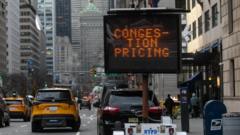
Since the congestion charge began on January 5, the Metropolitan Transportation Authority (MTA) reported a reduction of 273,000 cars entering the central business district during weekdays, translating to a 7.5% decline compared to typical traffic levels. This fee, the first of its kind in the United States, imposes a $9 daily charge on car drivers, with adjusted rates for various vehicle types.
The congestion area encompasses a zone south of Central Park, incorporating iconic locations such as the Empire State Building, Times Square, and the Wall Street financial district. Janno Lieber, head of the MTA, remarked, “The early data backs up what New Yorkers have been telling us all week – traffic is down, the streets feel safer, and buses are moving faster.” The MTA’s findings suggest that commuters are experiencing shorter travel times and improved bus efficiency, particularly during the morning rush hour.Designed to alleviate New York's chronic traffic issues, the congestion charge is also intended to fund public transport improvements. Most drivers face a $9 fee for entering the congestion zone during peak hours, with a reduced $2.25 rate applying at off-peak times. Smaller commercial vehicles and non-commuter buses incur a $14.40 fee during peak hours, while larger trucks and tourist buses are charged $21.60.Despite the benefits highlighted by the MTA, the congestion charge has faced substantial opposition. Notably, President-elect Donald Trump, a lifelong New Yorker, has expressed a strong commitment to abolishing the scheme once he takes office this month. Last year, New York City again topped the list as the most congested urban area globally, as reported by traffic data analysis firm INRIX.

