
In brief
The recent tariffs introduced by the Trump administration have sent shock waves through Southeast Asia, particularly affecting countries such as Vietnam and Cambodia that heavily rely on exporting goods to the United States. Tariffs in Vietnam have soared to 46%, while Cambodia faces even higher tariffs at 49%. This escalation comes amidst a backdrop where exports to the U.S. account for a substantial portion of each country’s GDP—23% for Vietnam and 67% for Cambodia.
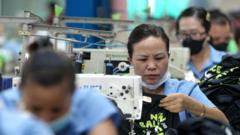
The economic growth that Vietnam enjoyed in recent decades, primarily driven by its trade with the U.S., is now under threat. Vietnam's ambitious plans for economic advancement, which include a shift towards a knowledge-based economy by 2045, are jeopardized. The Communist Party's legitimacy, reliant on economic success, is increasingly challenged as tariffs disrupt the flow of goods.While the tariffs affect Vietnam most severely, Thailand and Cambodia are not immune to their repercussions. Thailand's economy is also struggling under the weight of decreased export potential, while Cambodia faces political instability as its garments sector, a key source of income, comes under threat with job losses anticipated.In response, Southeast Asian governments are seeking to negotiate with the Trump administration. Vietnam’s deputy prime minister has already traveled to Washington to advocate for reduced tariffs, while Thailand and Malaysia are following suit. However, the U.S. administration, led by senior trade advisor Peter Navarro, remains largely unyielding. Navarro has criticized Vietnam's offers, arguing they do not address the existing trade deficit, highlighting the complexities surrounding the trade dynamics in the region.Despite the U.S. perception of Trump as a strong figure in Southeast Asia, leaders like Cambodia's Hun Manet are facing increasing pressure to retain power amid economic strains. As these nations plead for relief from tariffs, they must navigate the precarious geopolitical landscape influenced by U.S.-China tensions, while grappling with internal pressures driven by economic uncertainty.While the situation continues to evolve, the long-term implications of these tariffs could reshape the economies of Southeast Asia and challenge their export-driven business models.
