
In brief
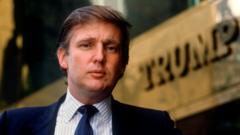
Former real estate mogul Donald Trump's experiences with Japan have profoundly shaped his perception of trade policies and tariffs over the past four decades. Initially navigating the real estate landscape during Japan’s property investment boom in the 1980s, Trump developed a fixation on tariffs as a remedy to perceived American economic vulnerabilities.
When Trump's ventures struggled in the 1990s, he turned to the East, particularly Japan, in hopes of reviving his fortunes. Trump's resentment toward Japanese economic dominance stemmed from watching their aggressive market strategies while feeling that the U.S. offered them defense support without adequate returns. Barbara Res, a former executive vice-president at Trump Organization, reflects on how this sentiment fueled his later political arguments.During interviews on platforms like Oprah Winfrey's show in the late '80s, Trump began vocally advocating for policies that challenged traditional trade practices, insisting on a need for stronger protectionism. His public persona, coupled with his commercial losses, positioned him as a discontented advocate for a more aggressive foreign policy on trade.Historically, as Japan became a formidable competitor in industries that included electronics and automobiles, Trump's musings echoed broader American anxieties. Dartmouth College's Jennifer Miller contextualizes Trump within a period where workers felt threatened by Japan's economic surge. This created a fertile ground for his pro-tariff rhetoric.In his 1980s open letter published in multiple newspapers, Trump claimed unfair trade practices and a lack of military cost burden on Japan had led to its robust economic landscape. His solution involved levying tariffs on countries he deemed uncooperative.As the landscape shifted and China emerged as a new competitor, Trump's longstanding belief in tariffs remained central to his policy, asserting that they would open foreign markets while reducing trade deficits. Economists like Michael Strain and Joseph LaVorgna have analyzed how these views, while not universally accepted, resonate with some business constituents who fear negative impacts from rising tariffs.Ultimately, Trump's relationship with tariffs is not merely a policy choice but a core element of his identity as a transactional businessman, persistently seeking to reshape international commerce into a more favorable framework for the U.S., even at the risk of straining alliances. While his administration managed to challenge the traditional Republican stance on trade, factions within the party quietly oppose certain tariff implications, aware of the potential repercussions for American consumers and businesses in the future.
