
In brief
The US ceasefire plan outlined by Secretary of State Marco Rubio includes an immediate 30-day halt to fighting, contingent on Russian acceptance, and the reinstatement of military aid to Ukraine. However, questions surround its effectiveness and potential implications for long-term peace and security.
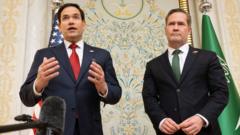
As the US government plane departed Jeddah at dawn, officials displayed a palpable sense of accomplishment following two weeks of complex negotiations regarding the ongoing Ukraine conflict. Secretary of State Marco Rubio proudly announced an American-crafted proposal for a "immediate" 30-day ceasefire with Russia, a significant milestone for President Trump's agenda. Rubio, recognized for his upbeat demeanor, is optimistic about the future, stating that a cessation of hostilities must come quickly.Following rigorous talks in Saudi Arabia, the US and Ukraine reached a joint statement endorsing this ceasefire while assuring the restoration of weapon supplies and intelligence sharing with Kyiv. Adhering to Trump's vision for peace, Rubio conveyed their hopes of a scenario devoid of any military activities, indicating that talks would replace the violence.Despite its promise, the ceasefire plan represents a unilateral US effort to persuade Russia, leaving the responsibility for acceptance on the Kremlin. As the proposal is set to be introduced to Moscow shortly, analysts question whether it makes a genuine ceasefire achievable or if it will lead to a mere cover for an ongoing conflict.The proposed ceasefire is explicit, demanding an immediate halt to military actions. Critics express concern that such haste could loosen pressure on Russia, potentially allowing it to exploit any resulting truce. Past experiences have heightened these fears, given Moscow's history of breaking agreements following territorial gains.On the positive side, the ceasefire proposal reinstates critical US military aid to Ukraine, which officials hope will bolster Kyiv's defenses against potential Russian aggression.However, ambiguity remains over the nature of the security guarantees. The precise framework for future negotiations between Ukraine and both the US and Russia raises questions, particularly about the extent of US involvement in long-term security assurances for Ukraine.Additionally, discussions regarding a deal to explore Ukraine’s mineral resources indicate not only economic support but future American involvement in vital sectors of Ukraine's economy, although skepticism surrounds its effectiveness as a deterrent against further Russian invasion.In a notable part of the agreement, the Ukrainian delegation reaffirmed their gratitude toward President Trump, marking a significant diplomatic gesture amidst prior tension between parties. As the world watches, the pressure now lies with Russia to respond to this proposal and shape the future trajectory of Ukraine's security landscape.
