
In brief
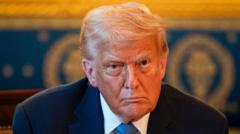
The extended deadline for tariff negotiations has created mixed outcomes for Asian countries as they strive to navigate President Trump's controversial 25% tariffs. While some nations may seize the opportunity for further negotiations, others face mounting pressure with potential consequences on their economies and international alliances.
Asia is currently experiencing significant repercussions from US President Donald Trump’s recent tariff actions, with various nations caught in a precarious position. This week, Trump issued a dire warning of imposing a 25% tariff on Japanese goods, a move that Japanese Prime Minister Shigeru Ishiba called "deeply regrettable." Japan has been diligently working to shield its automotive industry while resisting the prospect of opening its market to US rice.Despite multiple rounds of negotiations, with Japan's trade minister making at least seven visits to Washington D.C. since April, meaningful progress appears elusive. The discussions have reportedly transformed Trump's viewpoint of Japan from one of "tough" to "spoiled." Recently, Japan has found itself alongside 23 other nations facing tariff notifications, 14 of which are in Asia, including countries like South Korea and Sri Lanka that rely heavily on exports.In conjunction with these tariff news, Trump recently announced a substantial 35% tariff on goods imported from Canada, planning to escalate general tariffs on most of his countries from 10% to potentially 20%. This news leaves nations questioning their trade fates, especially those yet to secure agreements before the new deadline of August 1. Economists suggest that further extensions are possible, highlighting the complexities of trade deals, particularly concerning tariffs on transhipped goods from nations like Vietnam.While some countries engaged in discussions may find new avenues for negotiation, Asian manufacturers are bracing for hardship. The tariffs signify ongoing challenges for global trade, and analysts warn of adverse effects on companies worldwide, impacting consumers and exporters from the US to Europe and across Asia.Vietnam and Cambodia stand at significant risk due to their reliance on exports and challenges posed by the potential 40% levies. In contrast, nations like Japan and South Korea may leverage their wealth and geopolitical influence to weather the storm longer than their poorer counterparts. India's position remains uncertain but timely, as it seeks clarity on its agricultural and import policies.The implications for the US-Japan alliance are particularly pronounced, with Japan increasingly viewed through the same lens as other Asian trade partners, despite its robust economic and military ties with the US. Economists argue this dynamic could alter longstanding relationships, particularly as Japan prepares for possible negotiations with a long-term strategy.Meanwhile, the broader landscape of US-China relations is shifting as analysts suggest Trump's tactics could inadvertently favor Beijing and further complicate the global trade environment. Amidst this uncertainty, the intricacies of international trade relations remain a complex and evolving challenge for all involved parties as they navigate these tumultuous waters.
