
In brief
The past 100 days have seen dramatic shifts in executive power, provocative immigration policies, and stark cuts to government spending, raising questions about the future of American democracy.
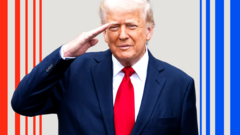
In an astonishing start to his second term, Donald Trump has marked his first 100 days in office with an unprecedented onslaught of executive actions, aiming to reshape American governance at an astonishing pace. Few predicted such rapid changes, but Trump’s administration has engaged in aggressive measures that challenge the very fabric of U.S. democracy.Much of the early backlash from his tenure stemmed from a bold declaration made by Vice-President JD Vance on social media. This declaration opened a constitutional debate over the power dynamics within the U.S. government, leading to pushback from legal experts who uphold the judiciary's authority to check the president's actions. Despite these challenges, Trump's administration continues to assert its influence, often circumventing Congress to impose significant spending cuts and reforms.Among the most controversial tactics employed has been the involvement of high-profile figures like Elon Musk. After an eye-catching appearance where Musk brandished a chainsaw symbolizing his push for government efficiency, he has taken significant steps to streamline or eliminate federal agencies, whose drastic budget cuts have incited both anger and support among various sectors of the population.Economic impacts have been joltingly swift as well. The stock market plummeted following Trump's controversial tariff announcements, raising concerns among traders and experts about potential long-term consequences for American consumers and businesses alike. Public sentiment appears split; while many support Trump's hardline approach to tariffs, there are growing fears about the ensuing economic fallout.Immigration remains another central focus of Trump's presidency, where he has enacted policies resulting in deportations like that of a Venezuelan national, which has deeply affected immigrant communities domestically. Challenges from educational institutions like Harvard University highlight the tussle between higher education and federal power, as colleges resist administrative overreach in political matters.Finally, Trump's sweeping cuts to inclusivity programs mark a decisive shift away from policies aimed at promoting diversity—an action that resonates with some voters but raises serious concerns about civil rights and historical representations within government narratives.Though the initial phase of Trump’s presidency reflects a vehicle of significant change, the sustainability of these actions remains uncertain. With Republican majorities due to face critical midterm elections and numerous court challenges looming, how these early moves will shape the political landscape in the coming years is still an open question. Will Trump's rapid changes carve a lasting legacy, or will subsequent leadership unwind them? Only time will tell.

