
In brief
As the White House gears up for potential tariffs to address trade imbalances, U.S. businesses voice mixed feelings about President Trump's approach. With millions in imported European goods flooding the market, firms like JM Smucker push for equal treatment while cautioning against broad tariffs that could disrupt domestic supply chains.
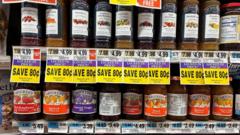
The grocery shelves in the U.S. are brimming with imported goods, notably European jams, highlighting a significant trade imbalance. The U.S. imported over $200 million worth of preserves from Europe, while its exports to the continent barely hit $300,000, particularly due to a steep 24% tariff on American jams in the EU. JM Smucker, a key player in the U.S. jam market, has put forward its case to the Trump administration, urging for 'reciprocal' tariffs to rectify the disparity, emphasizing that U.S. tariffs are notably lower at 4.5%.President Trump's aggressive tariff policy has sparked widespread frustration within the business community, as the unilateral push for tariffs could lead to retaliatory measures from trading partners. While manufacturers confront foreign competition and varying international regulations, firms like Smucker are among hundreds lobbying for influential tariff adjustments before the administration unveils its next round of trade measures on April 2.In their letters to the administration, diverse sectors—from apple farmers to oil and gas industries—have raised issues about uneven tariffs and market access denied by foreign regulations. The administration has pointed out discrepancies in tariffs across various industries, including ethanol and automotive sectors, indicating a growing urgency to address these issues.Despite some industries reveling in the scrutiny of foreign tariffs, many executives are cautious about Trump's blanket tariff strategy, fearing unintended consequences and heightened tensions leading to a wider trade war. Commentary suggests the wide scope of potential tariffs leaves business leaders bewildered, emphasizing a lack of clarity regarding the administration's true intentions. While some sectors advocate for targeted tariffs that would protect American interests, they simultaneously request exemptions for critical imports that are unavailable domestically. JM Smucker's association has expressed concern over broader tariffs, underscoring the delicate balance between advocating for an "America First" trade policy while protecting vital supply chains.Wilbur Ross, former Commerce Secretary, remains optimistic that clearer policies from the administration will mitigate concerns, framing the upcoming announcements as a crucial step. Meanwhile, Republicans maintain their support for Trump’s strategy, suggesting that short-term pain may yield long-term benefits for American producers. Representative Jodey Arrington articulated this stance, underscoring the necessity for fairness in global trade practices and suggesting that resetting trade relationships could ultimately benefit all parties involved.

