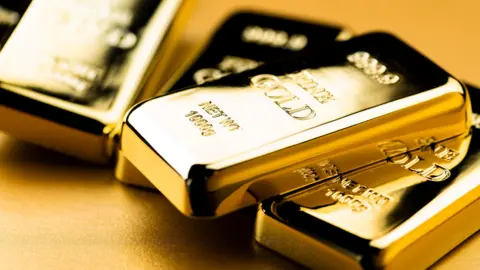
Gold prices have reached record highs recently, with investors piling money into the safe haven asset amid rising global political uncertainty.
Gold surged past the $5,000 per ounce mark for the first time on Monday and briefly hit $5,500, falling back slightly in recent days. Silver has also rallied and is currently trading at around $98 per ounce, up from $35 per ounce a year ago.
While the price of gold has fallen from recent highs, investors are still finding refuge in the precious metal.
Trump Uncertainty Shifting Investment
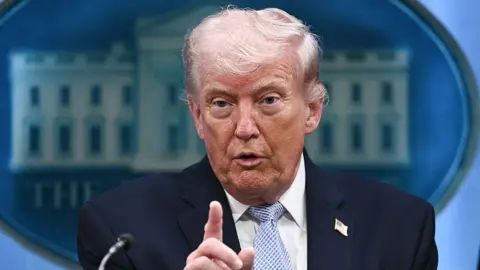
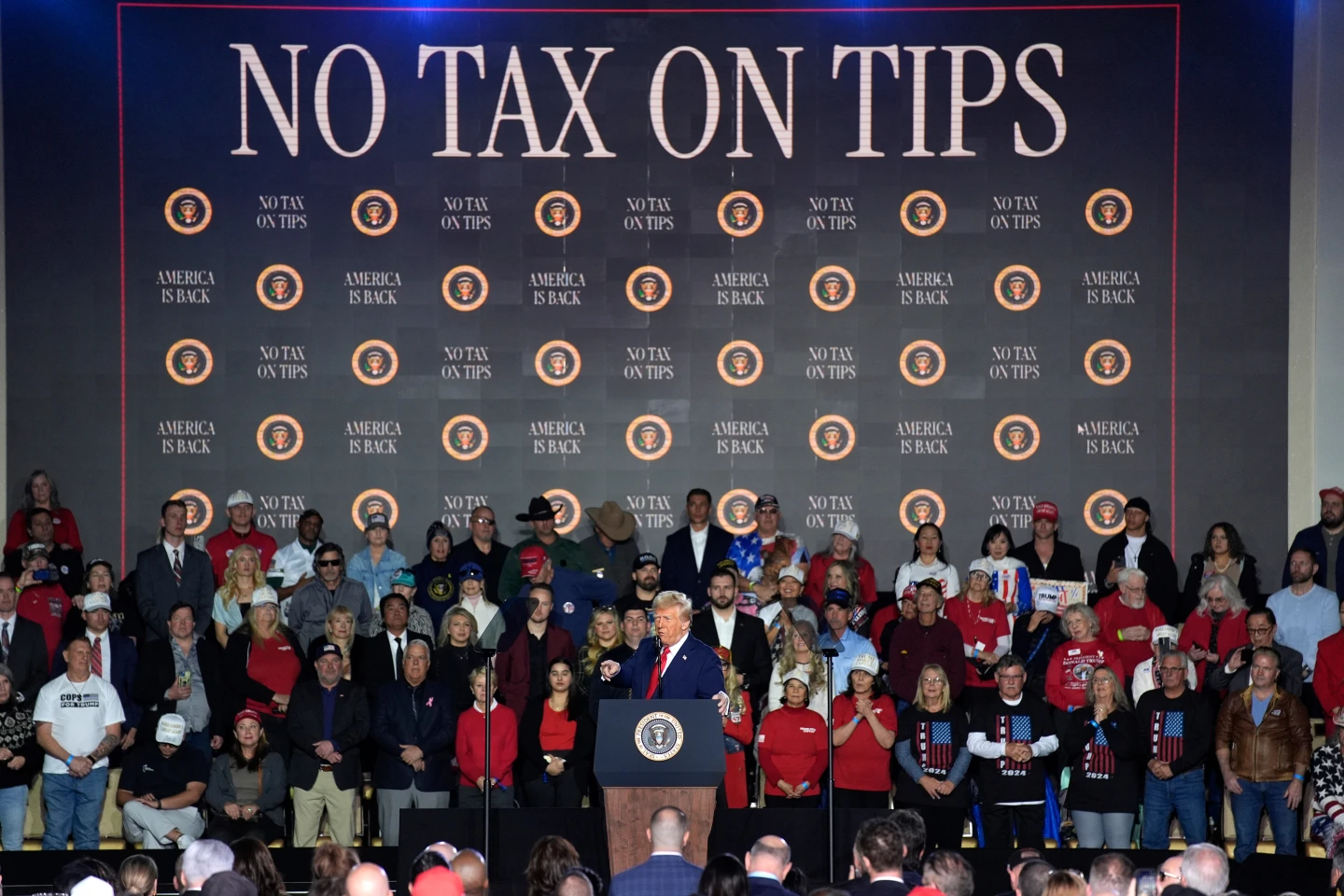
Global trade has been upset by tariffs introduced by US President Donald Trump on countries who wish to trade with the US but whom he sees as unfavourable. His trade policies continue to worry investors, helping to drive the gold rally, says Emma Wall, chief investment strategist at Hargreaves Lansdown.
January saw gold and silver prices hit record highs, but share prices fell as investors reacted to Trump's threat of fresh tariffs on eight European countries opposed to his proposed takeover of Greenland. Hamad Hussain, an economist at Capital Economics, stated that the perception of gold as a safe investment, contrasted with the risks associated with US foreign and fiscal policies under Trump, has spotlighted the precious metal.
War and Greenland Threats Add to Uncertainty
The wars in Ukraine and Gaza have contributed to a climate of general political uncertainty. The US’s seizure of Venezuelan President Nicolás Maduro also pushed the gold price to blockbuster levels. Trump's Greenland threats heightened global political tensions and saw confidence in the US dollar plummet. It caused investors to turn to precious metals for security.
Gold is doing what it does best when the world feels messy—jumping amid rising trade tensions and geopolitical flare-ups, Wall says. Fresh friction between the US, Canada, and China, unease around Europe and the Middle East, and even shutdown risks in Washington have all added to gold's appeal.
Central Bank Buying
Central banks buying gold has been a key factor pushing up its price. Investors and global central banks have favoured gold as their reserve currency of choice, which they believe insulates them from US policy dependence, Wall explains.
While central banks are still buying more gold than before 2022, estimates suggest that demand actually softened in 2025. Other buyers of gold include China, with its insatiable demand from individuals seeking jewellery as well as investors.
Why Has the Price of Gold and Silver Fallen in Recent Days?
Gold prices had been soaring recently largely driven by fears that Trump would nominate a Fed chairman who would yield to his demands to cut interest rates, resulting in a falling dollar and rising inflation. As reports emerged indicating that the president would nominate Kevin Warsh, perceived as a safer choice, the upward pressure on gold prices eased. This even caused gold to fall below $5,000 an ounce late last week.
However, gold prices remain about 65% higher than they were a year ago due to ongoing geopolitical tensions, tariffs, and further threats from Trump, which keep gold and silver attractive as safe haven assets. The volatility observed in Friday's trading shows that while gold can rise dramatically, it can also dip just as quickly, typical of all traded commodities.