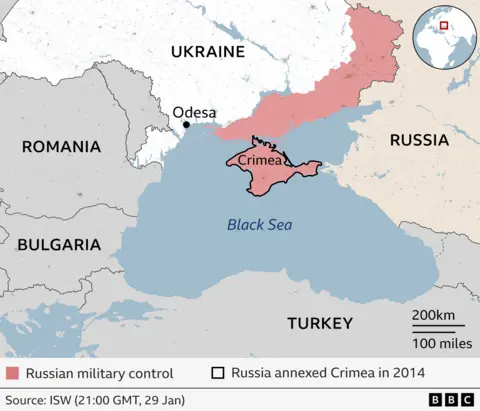
The Black Sea is littered with deadly weapons. But no-one knows how many – or where they are.
When we approach it, we should be quiet, we should be slow – and we should be very accurate, says Vitalii, a Ukrainian Navy diver who is part of a team dedicated to de-mining post-conflict waters.
The 31-year-old describes the tensions involved in swimming towards explosive devices that remain coated in layers of sediment. The experience is perilous as Ukraine confronts the legacy of underwater mines laid during Russia's full-scale invasion.
Last summer, the dangers of these mines became tragically evident when three swimmers were killed off the Odesa coast.
Mines are among the most persistent dangers of warfare, remaining active for decades. They can drift with the currents, adding to the uncertainty for local swimmers and fishermen.
“There are potentially thousands of sea mines active in this region,” remarked the commander of the mine countermeasure group, whose code name is Fox. Beyond mines, the team faces risks from various munitions, including missiles and artillery shells, many of which were washed into the sea following the destruction of the Kakhovka dam in 2022.
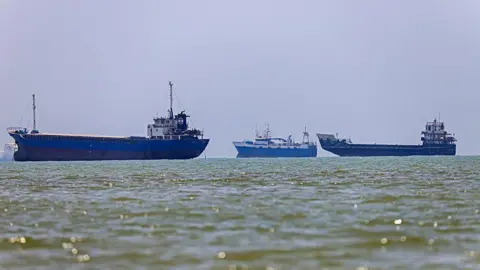
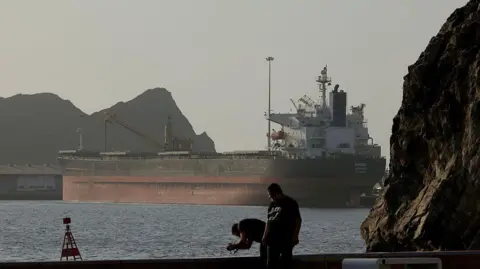
Despite these hazards, vital maritime traffic remains crucial for Ukraine's economy, as exports form a substantial part of its revenue stream amid the ongoing conflict. The navy continues operations in the Black Sea, working to ensure shipping routes remain navigable.
Each underwater operation is painstaking. It takes two days and the coordination of 20 personnel to safely remove a mine, undertaken under the constant threat of Russian aerial attacks. Navigating this environment requires utmost diligence.
Fox explains the two primary types of mines they encounter: contact mines that detonate upon impact, and influence mines that explode when detecting pressure, sound, or magnetic changes caused by passing ships.
The lengthy, careful approach to disarming mines demands that divers remain completely silent, using closed-circuit rebreathers to avoid bubbles that could trigger explosions.
Despite the threats, strategic naval operations have maintained some level of equilibrium at sea, allowing Ukraine a measure of maritime sovereignty and export capacity. The war continues, but it becomes increasingly clear that operations on the Black Sea are central to keeping the nation's economy afloat.