For months, US spies had been monitoring Venezuelan President Nicolas Maduro's every move.
A small team, including one source within the Venezuelan government, had been observing where the 63-year-old slept, what he ate, what he wore and even, according to top military officials, 'his pets'.
Then, in early December, a planned mission dubbed 'Operation Absolute Resolve' was finalised. It was the result of months of meticulous planning and rehearsals, which even included elite US troops creating an exact full-size replica of Maduro's Caracas safe house to practise their entry routes.
The plan - which amounted to an extraordinary US military intervention in Latin America not seen since the Cold War - was closely guarded. Congress was not informed or consulted ahead of time. With the precise details set, top military officials simply had to wait for the optimal conditions to launch.
They wanted to maximise the element of surprise, officials said on Saturday. There was a false start four days earlier when US President Donald Trump gave approval, but they opted to wait for better weather and less cloud cover.
Over the weeks through Christmas and New Year, the men and women of the United States military sat ready, patiently waiting for the right triggers to be met and the president to order them into action.
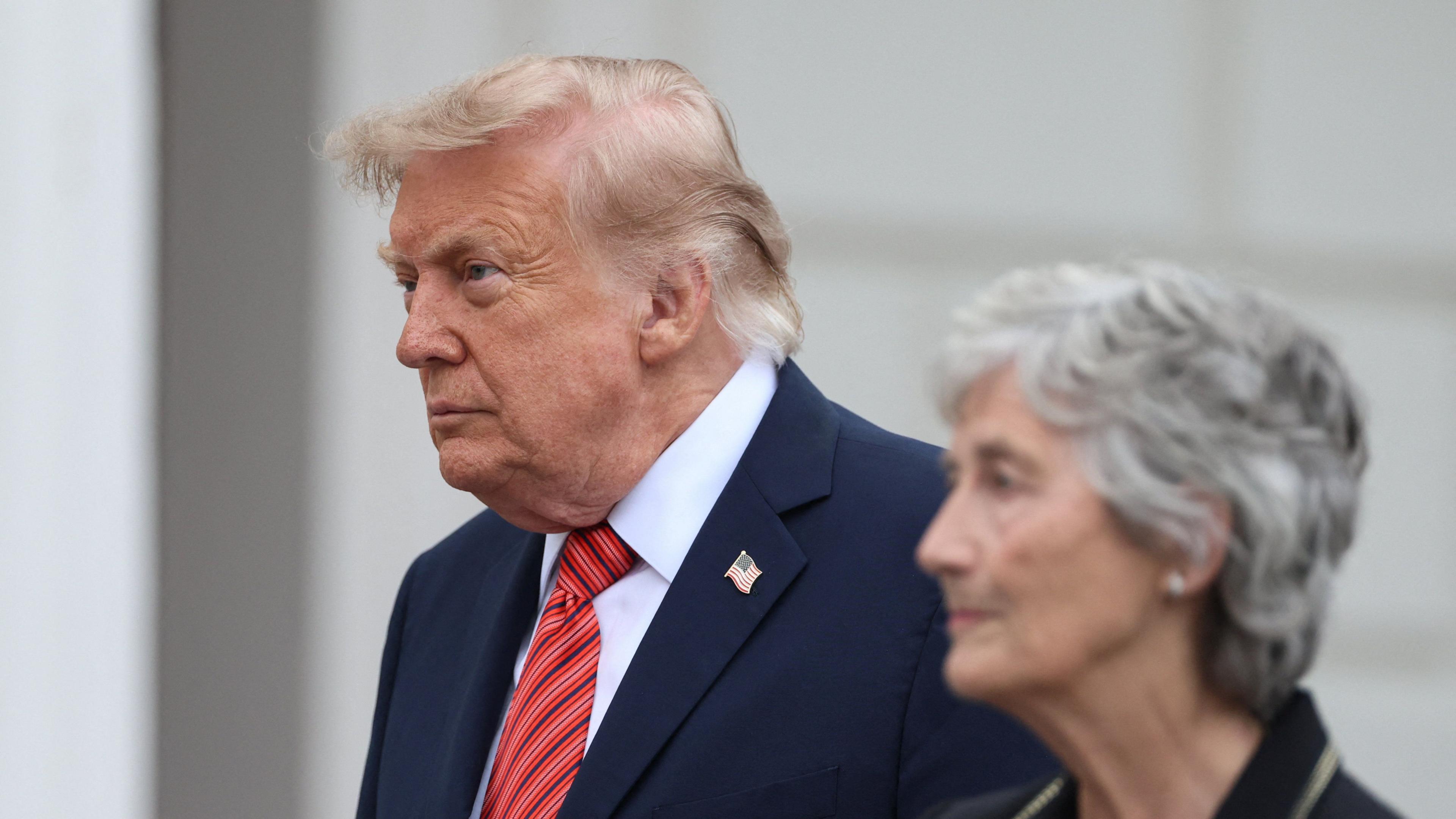
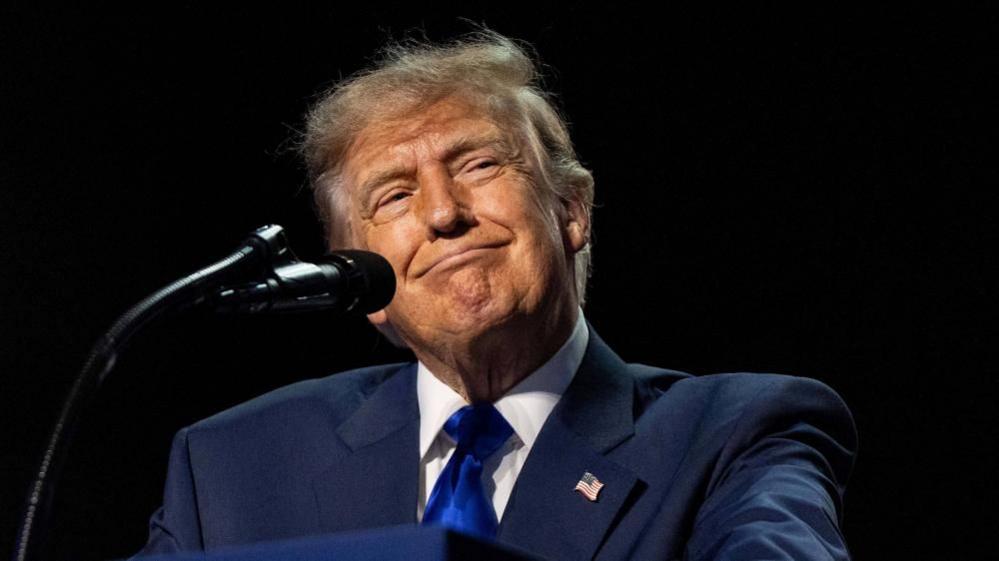
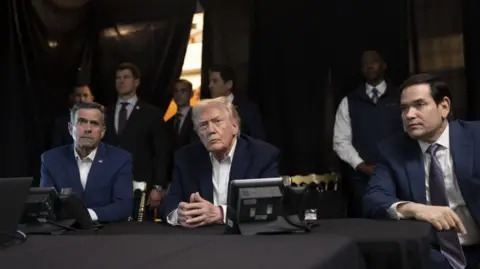
The order from the president to begin the mission finally came at 22:46 EST on Friday (03:46 GMT on Saturday). Trump himself told Fox & Friends that they had been ready to go at different times over the previous days, but conditions had to be right.
What followed was a two-hour-and-twenty-minute mission by air, land, and sea that stunned many in Washington and around the world. In terms of scale and precision, it was virtually unprecedented. The operation drew immediate condemnation from several regional powers.
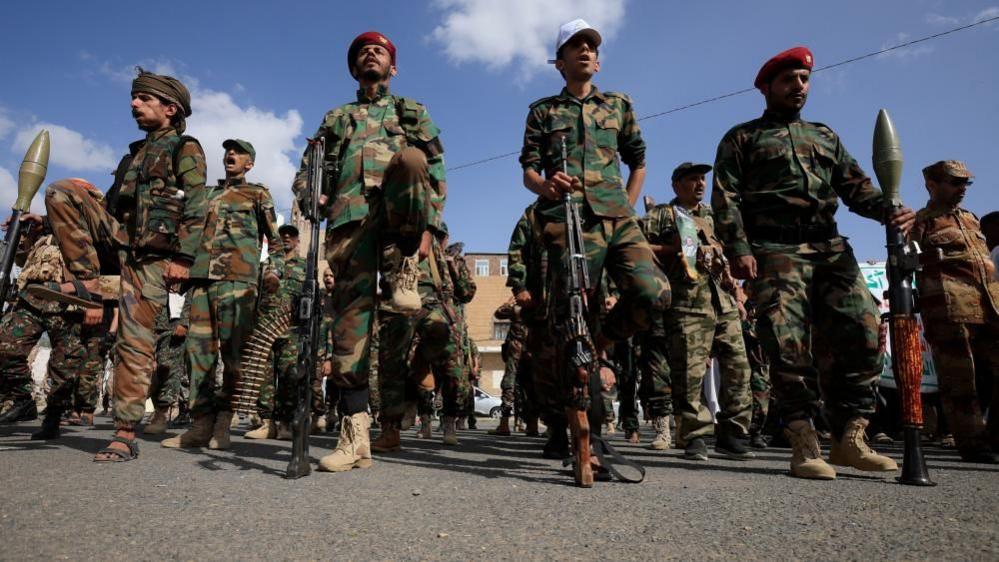
During the operation, as elite US troops flooded into Maduro's compound, they encountered resistance, making the scenario perilously close to escalating expectations of military confrontation.
Ultimately, at dawn, Maduro and his wife were taken into custody and flown back to the US, where they are expected to face serious criminal charges.
Trump's dramatic announcement of Maduro's capture reflects the dual narratives of military action's legitimacy and the implications for international relations. What will this mean for the future of Venezuela, US-Latin American relations, and the broader geopolitical landscape?