From family-run cafes to retail giants, businesses are increasingly coming into the crosshairs of President Donald Trump’s mass deportation campaign, whether it’s public pressure for them to speak out against aggressive immigration enforcement or becoming the sites for such arrests themselves.
In Minneapolis, where the Department of Homeland Security states it’s executing its largest operation ever, hotels, restaurants, and other businesses have temporarily closed their doors or stopped accepting reservations amid widespread protests.
Following the tragic shooting of Alex Pretti by U.S. Border Patrol in Minneapolis, over 60 CEOs of Minnesota-based companies—including Target, Best Buy, and UnitedHealth—signed an open letter demanding an immediate deescalation of tensions and urging cooperation among officials to find real solutions.
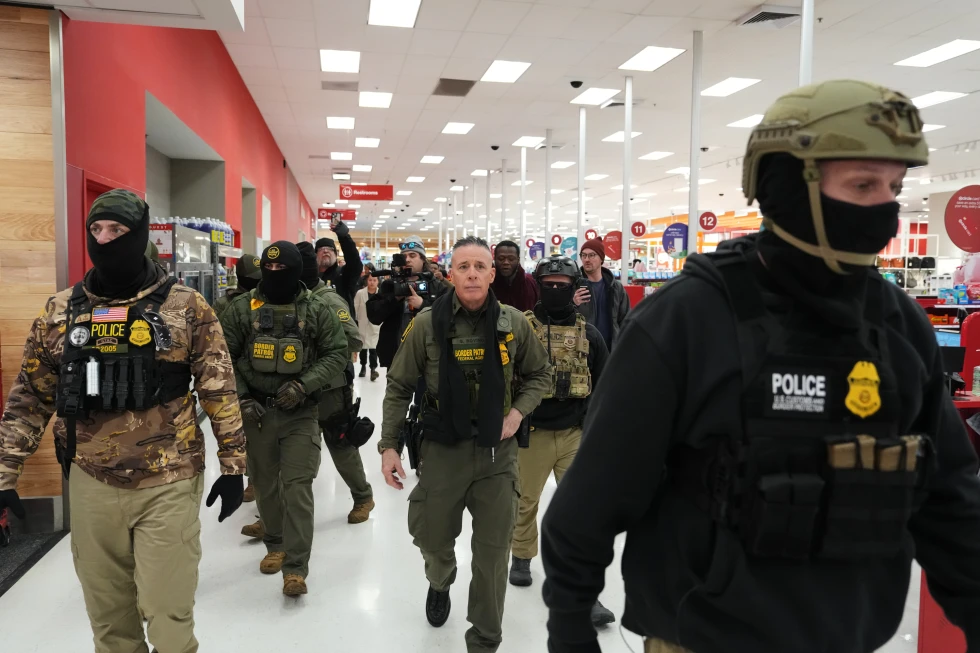
Despite this collective plea, the letter conspicuously avoided naming immigration enforcement directly, or referencing the recent arrests of employees at various businesses. Earlier this month, disturbing videos surfaced depicting federal agents detaining two Target employees in Minnesota. Nationwide incidents have also seen U.S. Immigration and Customs Enforcement (ICE) rounding up day laborers in Home Depot parking lots, indicating a broader trend of aggressive immigration enforcement.
Immigration experts clarify what ICE agents can and cannot do in business settings. ICE is permitted to enter public areas of a business, such as dining sections or parking lots without a warrant. However, to access private spaces, they generally require a judicial warrant. Yet, ICE has reportedly interpreted administrative warrants, which are easier to obtain, as adequate for forceful entries into private properties, creating significant controversy regarding the legality of their actions.
Escalating ICE presence has sparked outrage in the public sphere, with a portion directed at companies for not taking a strong enough stance against these practices. Small business owners are increasingly vocal about how these policies affect their workers and patrons. Companies like Target have remained silent on specific incidents, despite calls from activists for them to take a stand.
The article emphasizes the importance of public recognition of the consequences of immigration raids, highlighting concerns that such enforcement actions contribute to labor shortages and a decline in customer foot traffic, which could alter the economic landscape in significant ways.
In Minneapolis, where the Department of Homeland Security states it’s executing its largest operation ever, hotels, restaurants, and other businesses have temporarily closed their doors or stopped accepting reservations amid widespread protests.
Following the tragic shooting of Alex Pretti by U.S. Border Patrol in Minneapolis, over 60 CEOs of Minnesota-based companies—including Target, Best Buy, and UnitedHealth—signed an open letter demanding an immediate deescalation of tensions and urging cooperation among officials to find real solutions.
Despite this collective plea, the letter conspicuously avoided naming immigration enforcement directly, or referencing the recent arrests of employees at various businesses. Earlier this month, disturbing videos surfaced depicting federal agents detaining two Target employees in Minnesota. Nationwide incidents have also seen U.S. Immigration and Customs Enforcement (ICE) rounding up day laborers in Home Depot parking lots, indicating a broader trend of aggressive immigration enforcement.
Immigration experts clarify what ICE agents can and cannot do in business settings. ICE is permitted to enter public areas of a business, such as dining sections or parking lots without a warrant. However, to access private spaces, they generally require a judicial warrant. Yet, ICE has reportedly interpreted administrative warrants, which are easier to obtain, as adequate for forceful entries into private properties, creating significant controversy regarding the legality of their actions.
Escalating ICE presence has sparked outrage in the public sphere, with a portion directed at companies for not taking a strong enough stance against these practices. Small business owners are increasingly vocal about how these policies affect their workers and patrons. Companies like Target have remained silent on specific incidents, despite calls from activists for them to take a stand.
The article emphasizes the importance of public recognition of the consequences of immigration raids, highlighting concerns that such enforcement actions contribute to labor shortages and a decline in customer foot traffic, which could alter the economic landscape in significant ways.