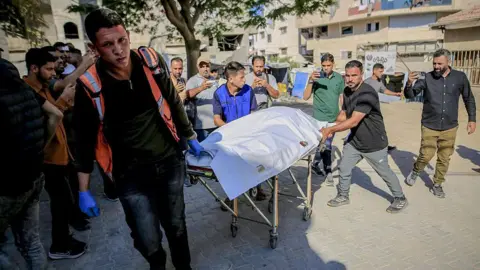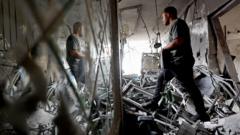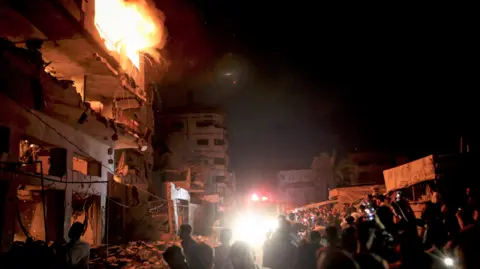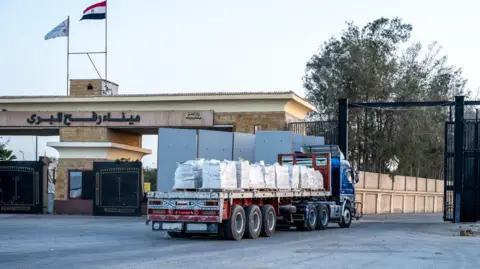
Palestinians have started to re-enter the Rafah border crossing between the Gaza Strip and Egypt after it reopened for the movement of people. The crossing has largely been closed since May 2024, when Israeli forces captured the Palestinian side.
The long-delayed reopening is a key part of the first stage of US President Donald Trump's ceasefire plan between Israel and Hamas, initiated in October. Only dozens of people will be able to cross in both directions each day, and humanitarian aid will still not be permitted.
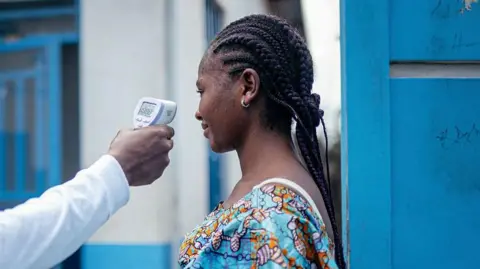
Organizers have reported that around 20,000 sick and wounded Palestinians are waiting to leave Gaza for medical treatment. Both Israeli and Palestinian sources indicate that only 50 patients, accompanied by two family members, will be allowed to exit each day, while a similar number of individuals who had previously left Gaza will be permitted to return.
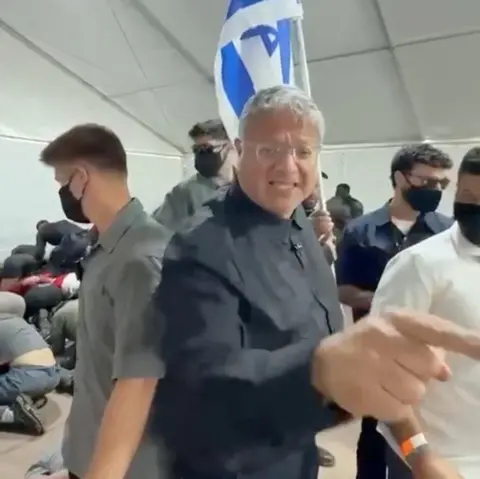
The World Health Organization (WHO) will oversee patient transfers from Hamas-controlled areas to the crossing, with transport facilitated through Israeli-held territories. However, strict monitoring is in place, with warnings from Israeli Defence Minister Israel Katz that crossing into specific Israeli-controlled zones would provoke severe repercussions.
The Rafah crossing operations will be supervised by European Union representatives alongside local Palestinian staff, with Israeli forces conducting remote security checks. This arrangement is critical given the historical significance of the crossing, which antes the main passage for humanitarian aid and movement before falling under Israeli control.
Challenges prior to this reopening included conditions set by Israel regarding cooperation on security issues and the recovery of the last Israeli soldier’s remains.