Israel has only twice used the death penalty against a convicted prisoner. The last time was more than sixty years ago, to hang the notorious Nazi war criminal, Adolf Eichmann.
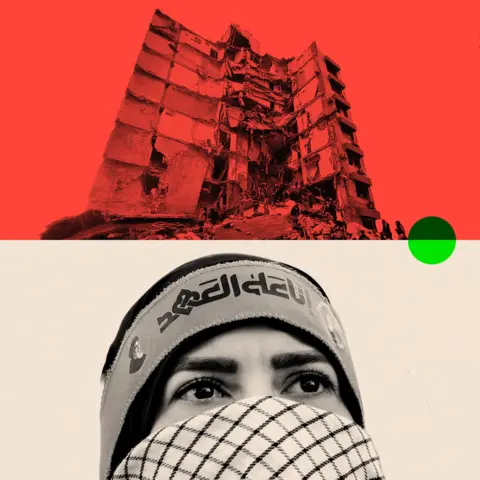
But in the wake of the Hamas-led attacks on October 7, 2023, Israel's deadliest ever day, there is a political push to pass a highly controversial new capital punishment law, targeting Palestinians convicted by Israeli courts of fatal terrorist attacks.
It's another brick in the wall of our defence, the far-right chair of the parliamentary national security committee, Zvika Fogel tells me. To bring in the death penalty is the most moral, the most Jewish and the most decent thing.
But human rights groups see the bill as one of the most extreme legislative proposals in the history of Israel. They argue it is unethical, and because it is designed to apply only to Palestinians, they say it will bring about racialized capital punishment.
There have been heated hearings in Israel's parliament involving rabbis, doctors, lawyers and security officials. Families whose loved ones were killed in the brutal assault on southern Israel more than two years ago, and in the fighting in the devastating war in Gaza that followed, have turned out to speak against and in favour of the legislation.
In my view, only 10 or 20 percent of the law is intended for justice, and the remaining percentage is deterrence and prevention, says bereaved mother, Dr Valentina Gusak, who backs the bill.
Addressing the national security committee, she displayed a photo of her 21-year-old daughter, Margarita who hoped to study medicine like both of her parents. She was killed with her boyfriend, Simon Vigdergaus as they fled the Nova music festival in 2023.
It's preventive treatment – that's what it's called in medicine, says Dr Gusak about reintroducing capital punishment who believes it could have saved her daughter's life. It's a vaccine against the next murder, and we must ensure the future of our children.
The death penalty does exist for certain crimes in Israel, but on the rare occasions when military courts previously handed down death sentences to convicted terrorists or enemy fighters, all were mitigated to life sentences following appeals.
The Eichmann case was exceptional. The SS Lieutenant Colonel was an architect of the Holocaust. In 1960, he was snatched from Argentina by Israeli secret service agents before being put on a lengthy public trial before a special court in Jerusalem.
Opponents of capital punishment have rejected it on religious, ethical and legal grounds arguing it goes against Jewish law, violates the right to life, and brings a risk of executing innocent people. They also argue that the proposed new law will deepen discrimination by targeting only Palestinians convicted of terrorism and not Jewish Israelis.
Mandatory death sentences would apply in Israeli military courts which exclusively try Palestinians from the occupied West Bank. After a compulsory appeal against the verdict, those convicted of deadly terrorist attacks would be hanged within 90 days.
Many see that the public mood in Israel has shifted in favour of more draconian punishments. But Arab-Israeli parliamentarian, Aida Touma-Suleiman, who represents the opposition Hadash party, says legislators should be careful how they respond, emphasizing that legislation should not be driven by instincts of revenge.
As the political climate continues to push for strict measures against terrorism, the implications of such a law on Israeli society and its ethical landscape remain pressing questions.