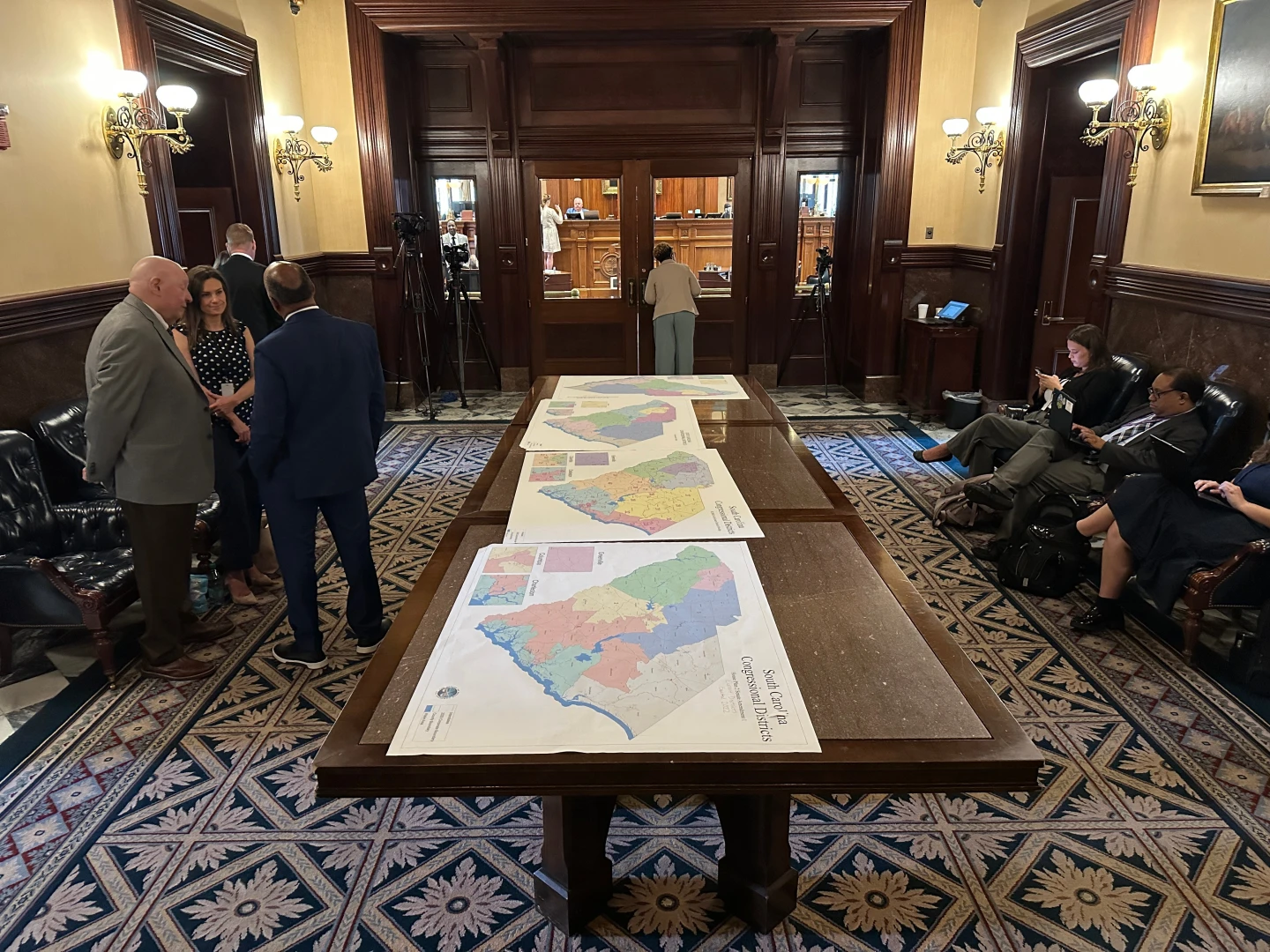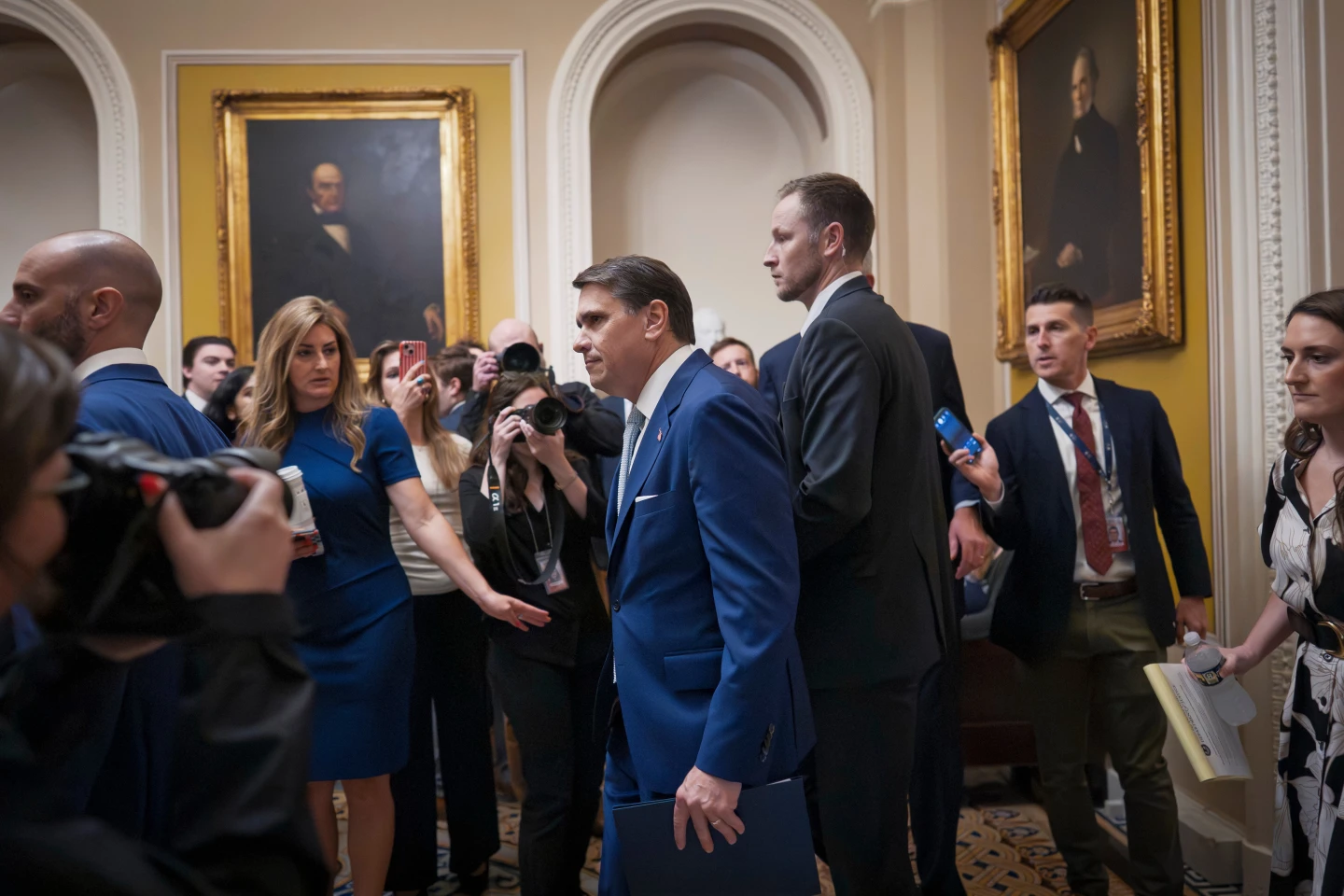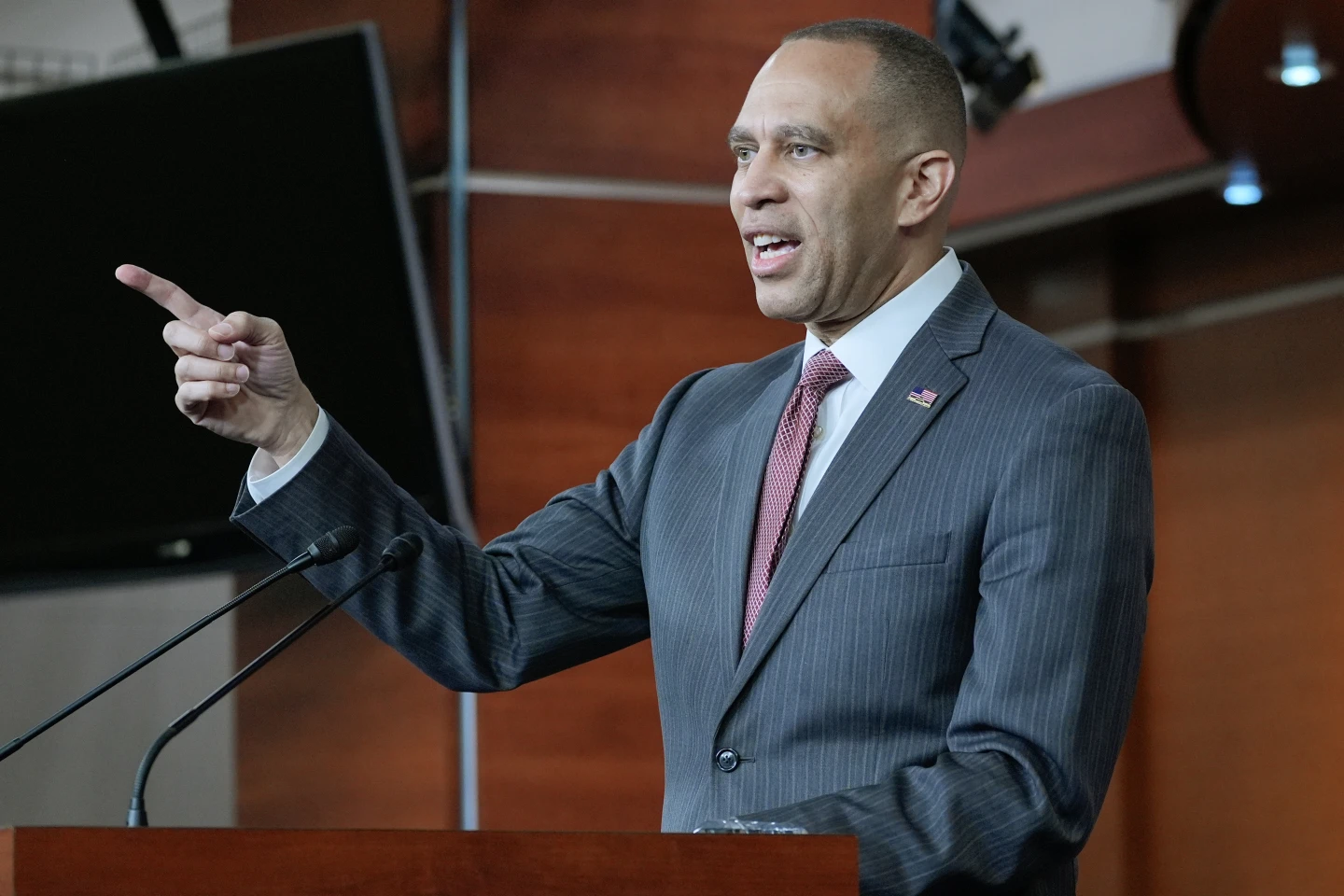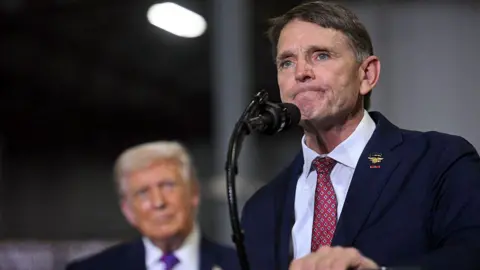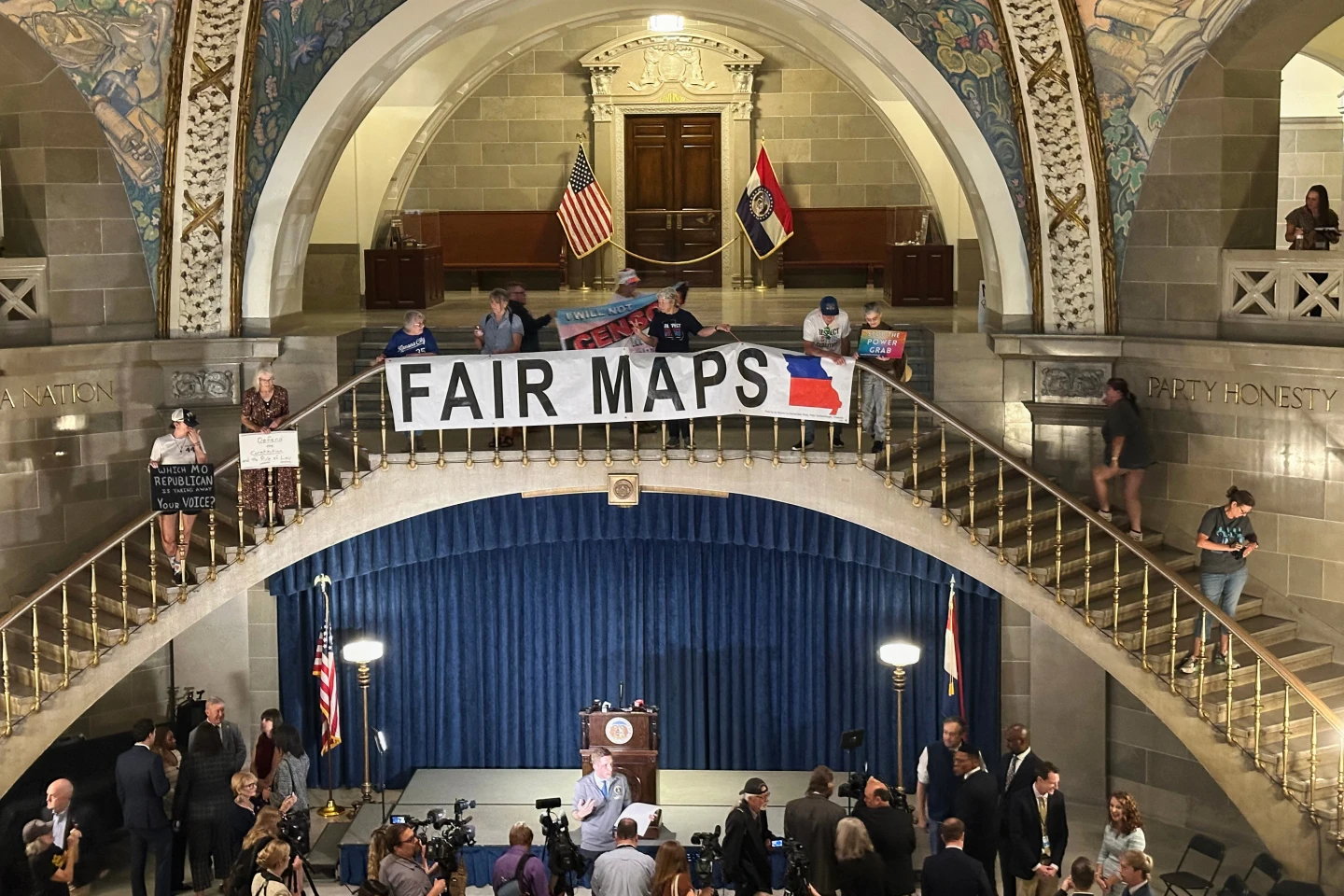
In Indiana, the recent discussions surrounding redistricting have revealed a stark shift in political terminology, particularly regarding the idea of 'fair maps.' Once hailed as representative of the state’s communities, Governor Mike Braun's push to redraw the congressional lines has reignited the debate over what fairness actually entails in political representation.
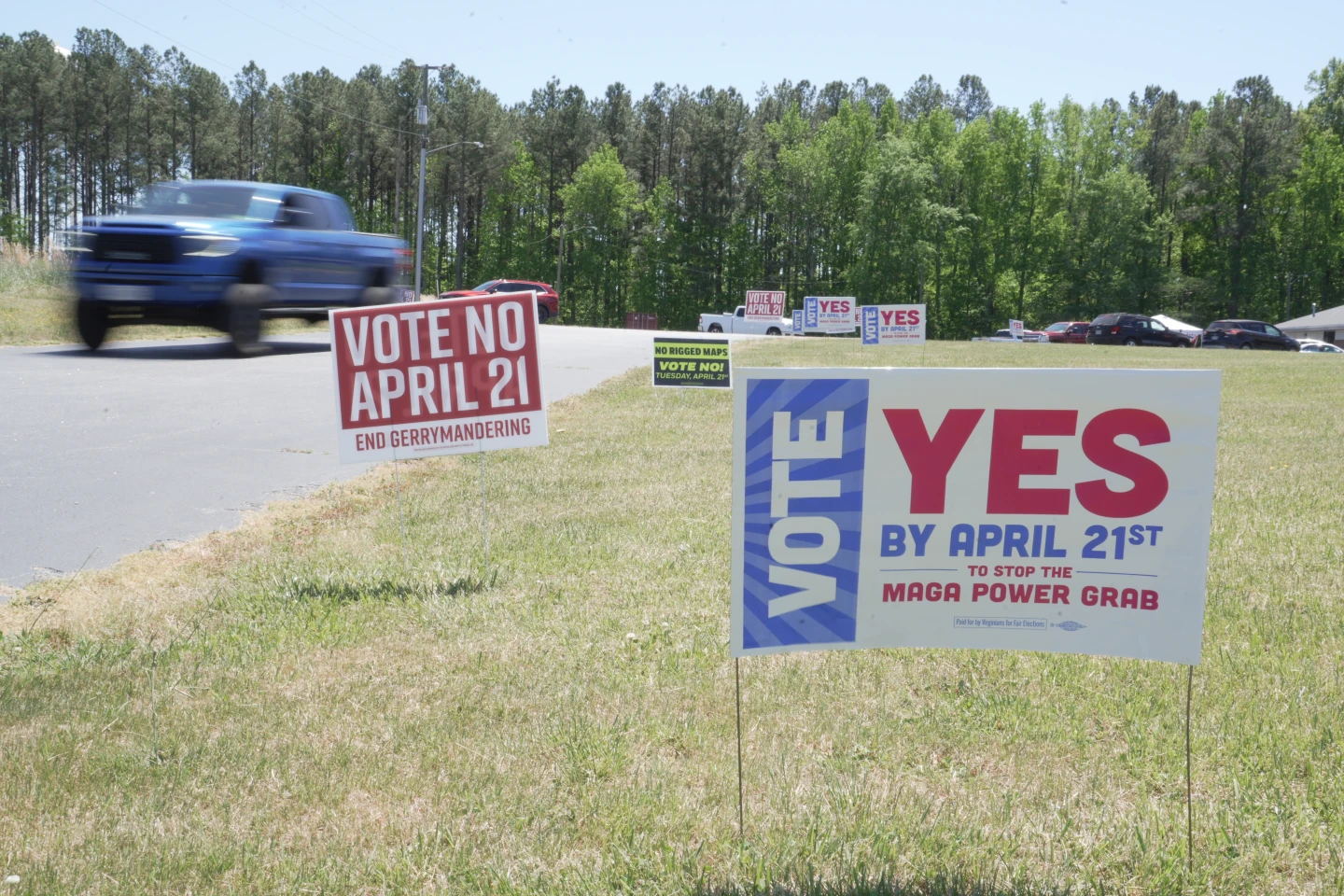
Traditionally, redistricting procedures aimed to ensure that all communities and demographic groups within a state are accurately represented in the legislature. However, under the prevailing political climate, both Republicans and Democrats are engaging in tactics reminiscent of gerrymandering, attempting to shape districts to favor their respective parties.
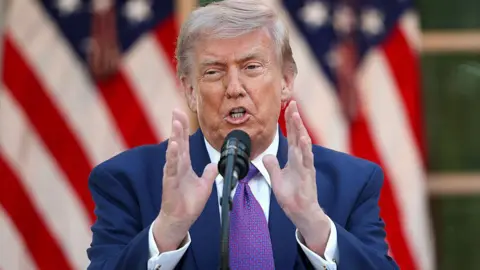
As states begin mid-decade redistricting, motivated in part by the political strategies championed during Donald Trump’s presidency, the imbalance of power in congressional representation is in question. This format of redistricting threatens to create what some experts describe as a winner-takes-all system, undermining the pluralistic nature of the House of Representatives.
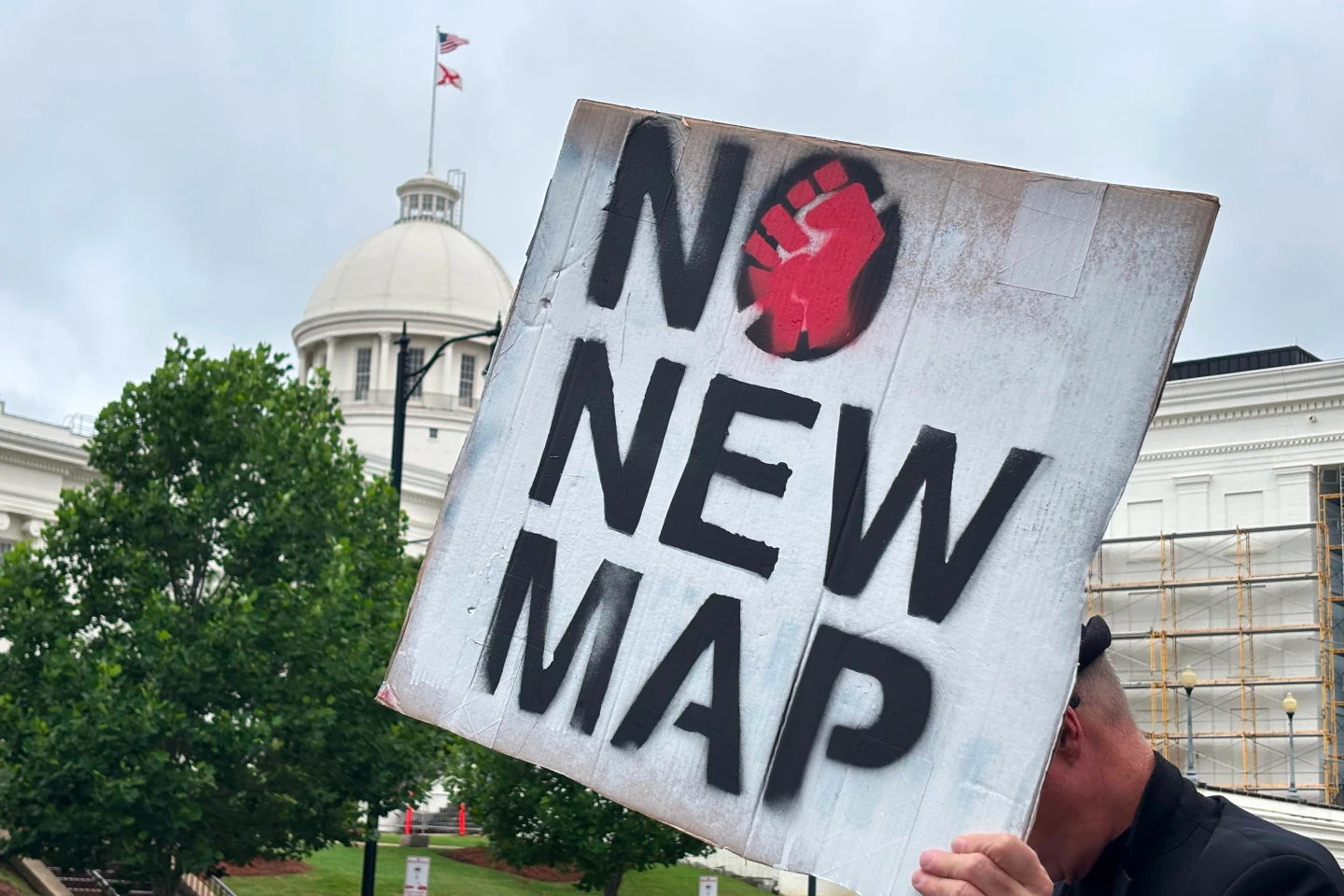
Despite pushback from some lawmakers and residents, several other states have already enacted significant changes in redistricting before the 2026 midterms, indicating a broader trend towards political maneuvering disguised as fairness. This shift has led to minorities fearing further marginalization within the political discourse, as traditional district alignments that reflect diverse community interests are being lost.
Political rhetoric surrounding these changes suggests that gerrymandering may be justified as a counter-measure to perceived biases in other districts, ultimately leading to more uneven representation across states. As residents wrestle with these new map proposals, many express concern that the manipulation of district lines may suppress the voice of underrepresented communities unnecessarily.
In this evolving political landscape, discussions about what constitutes fair representation are more crucial than ever, as a balanced political environment appears increasingly elusive.