Russia has welcomed US President Donald Trump's new National Security Strategy, calling it 'largely consistent' with Moscow's vision.
The 33-page document, unveiled by the US administration this week, suggests Europe is facing 'civilisational erasure' and does not cast Russia as a threat to the US.
Combatting foreign influence, ending mass migration, and rejecting the EU's perceived practice of 'censorship' are mentioned as other priorities in the report.
Several EU officials and analysts had pushed back on the strategy, questioning its focus on freedom of expression and likening it to language used by the Kremlin.
'The adjustments we're seeing... are largely consistent with our vision,' Kremlin spokesperson Dmitry Peskov said in an interview published by Russia's state news agency Tass on Sunday.
'We consider this a positive step,' he stated, noting that Moscow would continue to analyze the document before drawing strong conclusions.
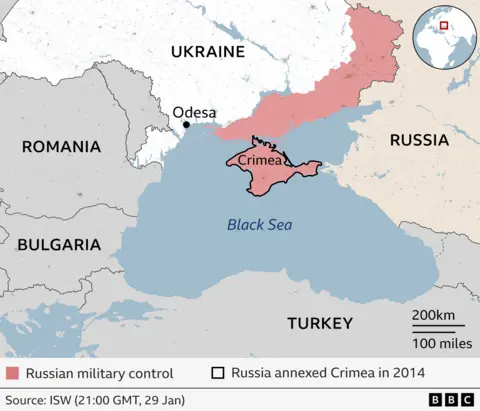
The strategy adopts a softer language towards Russia, which EU officials worry could weaken its stance towards Moscow as it pushes for an end to the war in Ukraine.
In the document, the EU is criticized for obstructing US efforts to address the conflict, asserting that the US must 're-establish strategic stability to Russia' which would 'stabilize European economies'.
This strategy also calls for the revival of 'Western identity' and asserts that Europe may become 'unrecognizable in 20 years or less' due to its pressing civilizational challenges.
While the EU engages in ongoing discussions with the Trump administration to delineate a peace deal in Ukraine, some officials expressed support for maintaining strong ties with the US while raising 'questions' about the proposed strategy.
Concerns have emerged that the document may reshuffle alliances and affect long-standing partnerships crucial to NATO’s coherence, particularly in light of its references that seem to endorse far-right movements across Europe.
As the US emphasizes an 'America First' approach, the strategy also outlines plans for addressing issues like drug trafficking in the Caribbean and enhancing defense contributions from allies in the Asia-Pacific region.
Critics, including some US lawmakers, warn that the strategy has the potential to undermine diplomatic relations globally, marking a significant shift in US foreign policy priorities.