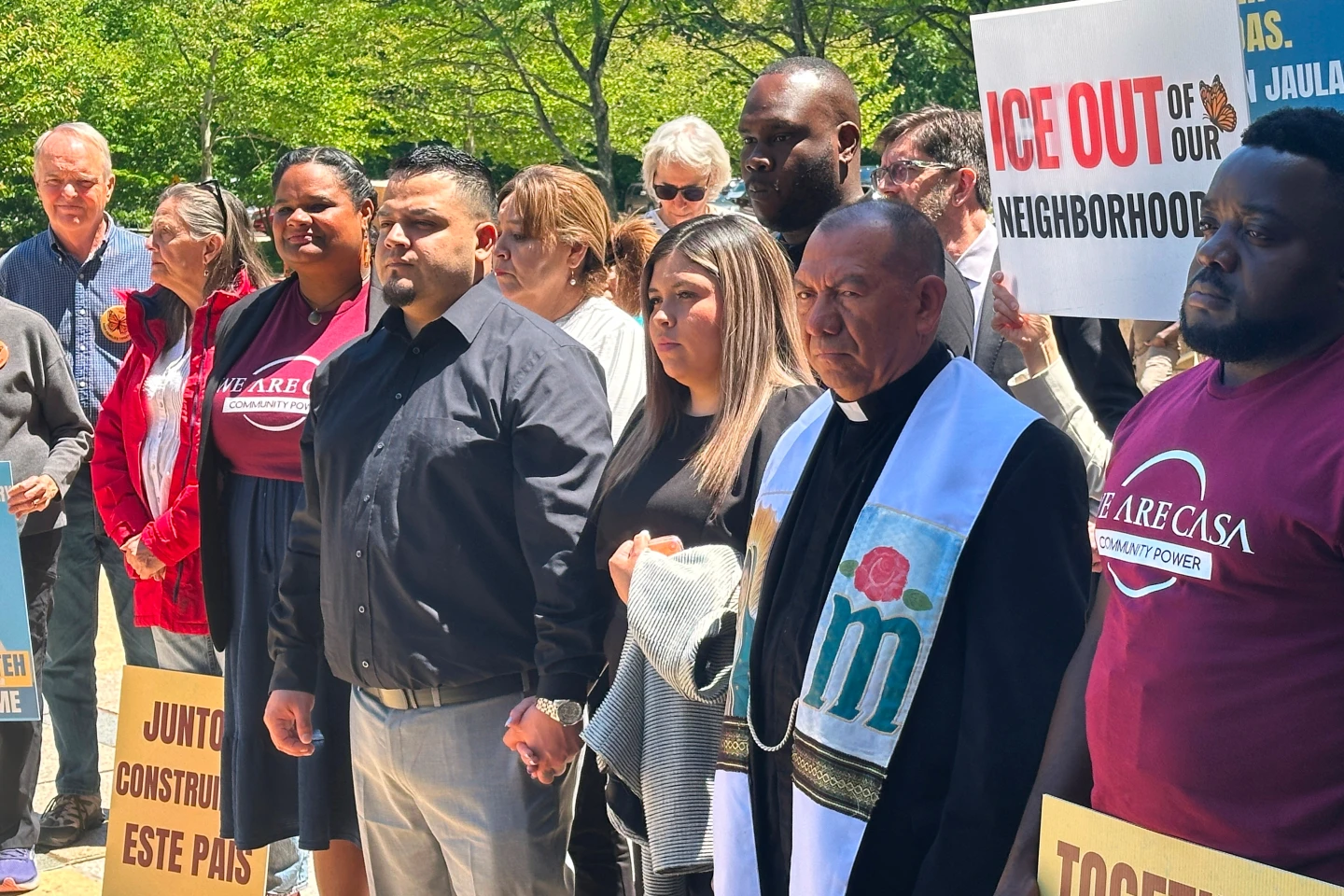
This year’s Grammy Awards coincided with ongoing immigration crises instigated by the Trump administration, prompting artists to align against ICE’s operations in communities, particularly in Minneapolis. As the ceremony unfolded, celebrities faced a pivotal choice: to participate in the growing cultural movement against immigration crackdowns.
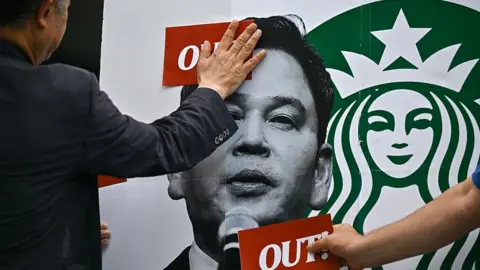
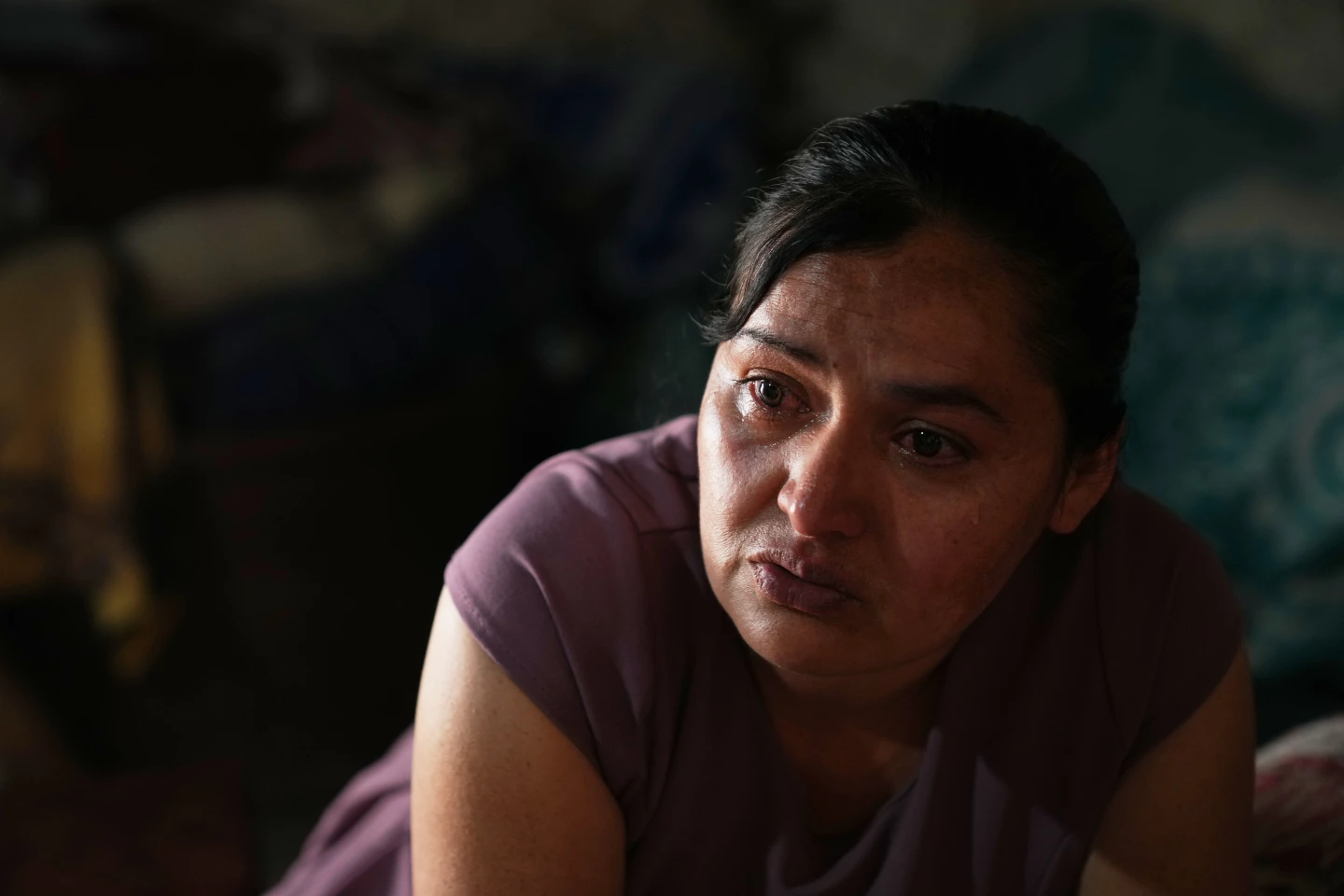
Throughout the week leading up to the Grammys, activists rallied efforts urging stars to wear protest pins highlighting their discontent with the presence of ICE. The response was notably more robust than at the Golden Globes, signifying an escalating public backlash against recent incidents involving federal agents. A nurse's tragic shooting and the detention of a young boy have spotlighted the urgency of the issue.
Notable artists including Jason Isbell and Kehlani struck a bold stance on the red carpet, openly condemning ICE during their appearances. Kehlani used her acceptance speech for Best R&B Performance to vent her frustrations, further amplifying the call for social justice. Meanwhile, Vernon from Bon Iver honored legal observers working on the frontline of immigration documentation with his symbolic attire.
Additionally, stars like Natalie Portman and Olivia Wilde, who graced other red carpets during the Sundance Film Festival, adorned themselves with 'ICE OUT' pins. Wilde voiced her horror over normalized violence against individuals in the immigrant community, stressing the responsibility of celebrities to use their visibility to advocate for change.
Despite the encouragement from the activist community, there remains a complex web of industry pressures that sometimes mitigate the artistic expression regarding political matters. Concerns about backlash from industry partners, management, and personal safety could dissuade artists from showcasing their solidarity.
Morales Rocketto, an organizer and founder of the Latino advocacy group Maremoto, believes in the continual importance of solidarity among entertainers, despite the risks they face. The ongoing struggles faced by the Latino community remind us that fame does not insulate individuals from the larger systemic issues at play.
In a climate where celebrities could easily be threatened due to their activism, the vibrant display of support for immigrant rights at the Grammys serves as a reminder of the power that music and art wield, particularly in times of societal strife.